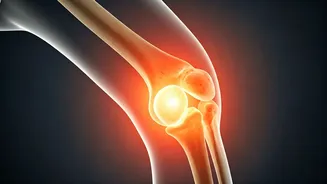







What is Bursitis?
Bursitis is a condition where the bursae, small fluid-filled sacs that cushion our joints between bones, muscles, and tendons, become inflamed. These sacs act
like natural shock absorbers, facilitating smooth and painless joint movement. Normally, we don't notice them, but when they become irritated—often from repetitive actions, prolonged pressure, physical injury, or even infection—they signal their presence through discomfort. While it frequently affects areas like the shoulders, elbows, hips, and knees, bursitis can potentially manifest in almost any joint throughout the body.
Who Gets Bursitis?
The prevalence of bursitis is significantly influenced by our daily routines. It doesn't target specific demographics but follows observable patterns. Think of the 'weekend warrior' who engages in strenuous activity after a sedentary week, or the homemaker performing prolonged tasks like floor scrubbing or extensive kitchen work. Office workers maintaining poor posture over computer desks and even enthusiastic gym-goers skipping warm-ups are also susceptible. Similarly, retirees starting a new walking regimen too aggressively can put undue stress on their bursae. Furthermore, the natural aging process weakens connective tissues, including bursae, increasing vulnerability. Certain health conditions, such as rheumatoid arthritis, gout, and diabetes, also elevate the risk. However, often, the root cause is simply how we habitually move—or fail to move—in our daily lives.
Recognizing Bursitis Symptoms
A hallmark of bursitis is experiencing pain that seems out of proportion to the action causing it. Simple movements like reaching overhead, sitting on a firm surface, applying pressure to your elbow, or walking downhill, which are typically unremarkable, can trigger sharp, deep, or burning pain that halts you in your tracks. The affected joint typically shows signs of swelling and tenderness, and the area might feel unusually warm. You'll likely find yourself moving with more caution. For those with shoulder bursitis, finding a comfortable sleeping position can become a significant challenge, as resting on the affected side intensifies the pain. It's important to note that bursitis symptoms can easily be mistaken for other issues like tendinitis, arthritis, muscle strains, or even ligament tears. Many people attempt self-diagnosis and rely on painkillers, hoping the problem resolves on its own. While this sometimes works, chronic or untreated bursitis can linger for months and potentially lead to further complications.
Diagnosing Bursitis
The diagnostic journey for bursitis usually begins with a comprehensive physical examination conducted by a specialist. An orthopaedic expert can pinpoint the affected bursa through specific physical maneuvers. Depending on the complexity of the case, imaging techniques like ultrasound or MRI might be employed. These are crucial for confirming the diagnosis, assessing for any accompanying structural damage, and guiding the most effective treatment plan. If an infection is suspected—indicated by symptoms such as increased redness around the joint, fever, or rapidly escalating pain—a sample of the fluid from the bursa may be drawn and analyzed. Septic bursitis, an infected form, is a serious condition requiring immediate medical intervention and is treated differently from the more common non-infectious type.
Effective Bursitis Treatments
A significant positive aspect of bursitis is its responsiveness to treatment, especially when identified early. Most cases are managed effectively through a multi-pronged approach: rest, adjusting activities to avoid aggravating the condition, applying ice packs, and using anti-inflammatory medications. Physiotherapy also plays a vital role in rehabilitating the affected area. Therapists help patients correct faulty movement patterns, strengthen the muscles that support the joint, and regain a full range of motion. For more stubborn cases where inflammation persists, a corticosteroid injection directly into the bursa can provide swift and substantial relief by targeting inflammation at its source. Surgery is an option reserved for rare instances, typically considered only for chronic, recurring cases that have not responded to less invasive conservative treatments.
Preventing Future Issues
Given that bursitis is often linked to our lifestyle choices, there's a considerable opportunity for preventative measures. Even minor adjustments can make a substantial difference. It's advisable to incorporate a proper warm-up routine before engaging in any physical activity. Avoiding excessive, repetitive strain on your joints is also key. Maintaining a healthy body weight is crucial, as it reduces the pressure placed on weight-bearing joints like the hips and knees. Furthermore, ensuring your workspace is ergonomically designed can prevent the development of bursitis related to prolonged sitting and poor posture. Pain can sometimes become so normalized that we adapt to it or push through it, but bursitis serves as a potent reminder that our bodies communicate important signals. That subtle ache when lifting a jar or the discomfort climbing stairs might not just be a sign of aging; they are signals worth discussing with your healthcare provider.