






Nutritional Goldmine
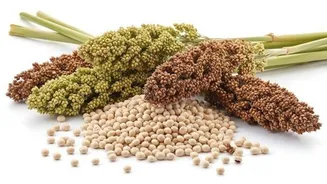
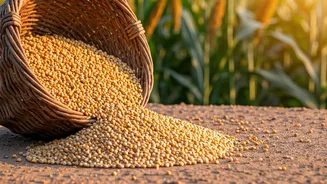
African guinea corn, or sorghum, stands out as a nutritional powerhouse, offering a wealth of essential nutrients crucial for well-being. It's a rich source
of protein, vital for muscle repair and growth, alongside dietary fiber, which significantly aids in digestive health and helps regulate cholesterol levels, contributing to a healthier heart. Beyond these, sorghum is packed with essential vitamins and minerals that support various bodily functions, bolstering overall health. Furthermore, it boasts a notable presence of antioxidants, powerful compounds that work to combat oxidative stress within the body by neutralizing harmful free radicals. A particularly noteworthy attribute of sorghum is its gluten-free nature, making it an excellent and safe dietary choice for individuals who suffer from gluten intolerance or celiac disease, opening up a world of healthy eating possibilities for a wider population.
Culinary Versatility Unveiled
The culinary applications of sorghum are as diverse as its nutritional profile, making it a highly adaptable ingredient in kitchens across Africa and beyond. This remarkable grain can be transformed into a fine flour, serving as a base for baking nourishing breads or preparing comforting porridges that are staples in many diets. Alternatively, sorghum can be cooked whole, presenting a delightful texture and mild flavor when incorporated into side dishes or used as a vibrant ingredient in fresh salads. Its subtle taste is a significant advantage, allowing it to harmonize beautifully with a wide array of other ingredients without overpowering them. This makes sorghum a favored choice for culinary enthusiasts and health-conscious individuals seeking nutritious and flavorful alternatives to more common grains, offering a gateway to innovative and wholesome meal preparation.
Food Security Champion
Beyond its direct nutritional and culinary benefits, sorghum plays a pivotal role in bolstering food security and fostering economic stability within African communities. Its cultivation offers a valuable source of income for numerous farmers, contributing to livelihoods and local economies. A key factor in its agricultural importance is its exceptional drought resistance; sorghum requires significantly less water compared to many other staple crops, making it an ideal choice for regions grappling with arid climates and limited rainfall. This inherent resilience ensures that crop yields remain more consistent, even during periods of severe drought, thereby guaranteeing a more dependable food supply for communities that rely heavily on agriculture for sustenance. This consistent production under challenging environmental conditions is fundamental to preventing food shortages and enhancing the overall resilience of agricultural systems.
Sustainable Agriculture Enabler
Sorghum's remarkable ability to thrive under adverse conditions extends its impact to promoting sustainable agricultural practices and minimizing environmental footprints. Its drought-resistant nature inherently conserves precious water resources, a critical advantage in water-scarce regions. Moreover, sorghum demonstrates a unique capacity to flourish even in soils with lower fertility, reducing the dependency on synthetic fertilizers and the associated environmental drawbacks. This reduces the need for chemical inputs, thus lessening soil degradation and water pollution. By supporting a greater diversity of plant and insect life within agricultural landscapes and demanding fewer resources than many other grains, sorghum actively contributes to broader efforts in achieving environmentally sound and sustainable agriculture across the African continent, safeguarding natural resources for future generations.