







Weight Gain Myths Busted
A pervasive myth suggests that nuts inevitably lead to weight gain due to their high calorie count. However, this perspective overlooks their significant
nutritional contributions. Nuts are remarkably rich in beneficial fats, lean protein, and dietary fiber, all of which play a crucial role in promoting satiety and keeping hunger at bay. Scientific research often indicates that incorporating nuts into one's dietary regimen can, in fact, aid in managing weight. This is achieved by helping to control appetite and potentially giving a boost to metabolic processes. The key lies in mindful consumption; when nuts are enjoyed in sensible portions as part of a well-rounded eating plan, they are unlikely to cause unwanted weight gain and can be a valuable asset for weight management.
Cholesterol: The Nutty Facts
Another widespread belief is that the fat content in nuts automatically translates to elevated cholesterol levels. This notion is largely unfounded. The fats prevalent in nuts are primarily unsaturated fats, which are widely recognized for their cardiovascular benefits. Rather than raising harmful cholesterol, these healthy fats actively work to reduce levels of LDL (bad) cholesterol while simultaneously promoting an increase in HDL (good) cholesterol. Consequently, making nuts a regular component of a heart-conscious diet can significantly improve your overall lipid profile, contributing positively to heart health.
A World of Nut Variety
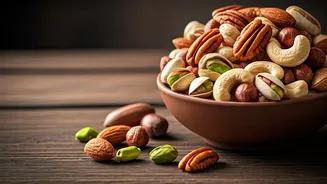
The idea that all nuts are nutritionally interchangeable is a misconception. Each type of nut boasts a distinct nutritional composition and offers unique health advantages. For instance, almonds are particularly celebrated for their high vitamin E content, a potent antioxidant. Walnuts stand out for their abundance of omega-3 fatty acids, essential for brain health. Cashews are a good source of vital minerals like iron and zinc. Understanding these individual differences empowers you to select nuts that best align with your specific dietary requirements and taste preferences, allowing for a more targeted approach to nutrition.
Digestive Comfort Ensured
Concerns that nuts are difficult to digest are often overstated and do not apply to the majority of individuals. For most people, nuts are readily digestible and can be integrated into a regular diet without causing gastrointestinal distress. Of course, individuals with diagnosed nut allergies or specific digestive sensitivities should always seek professional medical advice before adding nuts to their meals. However, for the general population, nuts can be a convenient and nutritious snack that contributes essential vitamins and minerals to the body without posing a significant digestive burden when consumed as part of a balanced dietary pattern.
Nut Butter's True Value
Nut butter frequently receives a negative reputation, largely attributed to its fat content, and is sometimes unfairly labeled as unhealthy. However, this perception often fails to differentiate between wholesome, minimally processed nut butters and those laden with added sugars, excessive salt, or unhealthy hydrogenated oils. When prepared with natural ingredients – free from these additives – nut butter transforms into a highly nutritious food. It delivers valuable protein, beneficial fats, as well as essential vitamins and minerals. When consumed thoughtfully alongside other whole foods, it can be a delicious and health-promoting element of your diet.