







Holi 2026 Overview
Holi, the vibrant festival of colors, is a highly anticipated event, and its dates for 2026 are a subject of interest for many. Determining the exact date involves
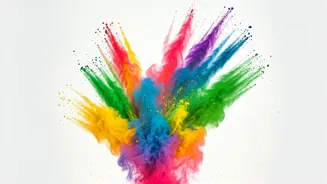
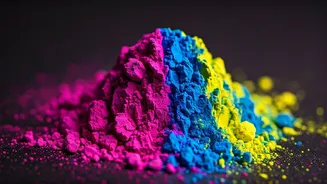
analyzing the Tithi, or the lunar day, and muhurat, the auspicious time, which dictates the timing of the Holika Dahan and the main Holi celebrations. Traditionally, Holika Dahan, the symbolic bonfire, takes place on the Purnima Tithi (full moon day) in the month of Phalgun. The subsequent day is marked by the playing with colors, where people joyously smear each other with colored powders and water. The date can sometimes vary due to the overlap of the Tithi, leading to the celebrations either being on March 3rd or March 4th, 2026. This variability underscores the importance of consulting a reliable source to confirm the correct dates.
Calculating Holi Dates
The process of determining the exact date of Holi requires a careful examination of the Hindu lunar calendar, considering the position of the Moon. This is because the timing of festivals like Holi is heavily influenced by the Tithi. Holika Dahan, a pivotal ritual, is specifically conducted during the Pradosh Kaal, which is the time after sunset, and it takes place on the Purnima Tithi. This makes the accurate calculation of the muhurat very important. If the Purnima Tithi begins late in the day and extends into the next day, the Holika Dahan may be observed on the latter day. The date of Holi, the playing with colors, follows Holika Dahan, also varying based on the lunar cycle. The exact date can thus be either on March 3rd or 4th in 2026, depending on the precise alignments.
Holika Dahan Muhurat
The Holika Dahan muhurat is the specific time window deemed auspicious for lighting the Holika bonfire. This muhurat is usually determined by the Pradosh Kaal, the period after sunset on the Purnima Tithi. The duration of this muhurat can vary depending on geographical location, but it's typically a few hours. The muhurat is calculated meticulously by astrologers, considering the precise moment when the Purnima Tithi begins and ends. The timing is important to ensure the Holika Dahan is performed at the most favorable time. For 2026, calculating this muhurat is essential to ensure the celebrations are carried out in a way that is respectful of the tradition. Knowing the Holika Dahan muhurat is key to starting the Holi festivities correctly.
Holi's Religious Significance
Holi is celebrated as a festival of new beginnings and the triumph of good over evil. The Holika Dahan symbolizes the burning of the demoness Holika, representing the victory of good over evil. The story of Prahlad, who was saved by Lord Vishnu, is at the heart of the festival. Holi is a time for people to come together, regardless of their differences, to celebrate love, forgiveness, and the arrival of spring. The playing with colors reflects this joyous spirit, and it breaks down social barriers. Holi's significance goes beyond the vibrant colors and joyful celebrations, reflecting the spirit of unity, and the triumph of righteousness. Participating in Holi is seen as a way to cleanse the mind and heart, creating an atmosphere of positivity.
Customs and Traditions
Holi festivities are associated with many traditions and customs. Starting with Holika Dahan, which is the bonfire ritual, it signifies the destruction of evil. People gather around the bonfire to pray and seek blessings. The next day is the day for the playing with colors, where people smear each other with vibrant colors. Traditional sweets and dishes, such as gujiya and malpua, are also essential elements of Holi. Dancing, singing, and feasting are common practices, along with the exchange of greetings. These traditions vary somewhat across regions in India, but the core essence of the festival, unity, love, and the joy of life, remains constant. Families and friends come together, making Holi a time of togetherness and cultural celebration.
Regional Variations
Holi is celebrated throughout India, but in various regions, the customs and traditions vary. For instance, in Braj, Uttar Pradesh, Holi celebrations extend for several days, including Lathmar Holi, where women playfully beat men with sticks. In West Bengal, Dol Jatra is celebrated with a procession of Lord Krishna and Radha, involving singing, dancing, and the playing with colors. In Maharashtra, the tradition of Matki Phod, where young men form human pyramids to break a pot of buttermilk, is a key part of the festivities. Each regional variation enriches the Holi experience, bringing unique flavors and experiences. Exploring these regional differences offers a broader insight into the diversity of Holi celebrations across the country, showing how it is integrated into local traditions.
Safety Measures
When celebrating Holi, safety is paramount. The use of natural colors is encouraged to reduce the risk of skin irritation and allergic reactions. It's crucial to protect the skin and hair by applying oil before playing with colors. Covering the eyes and mouth is also important to prevent colors from entering. Being mindful of the environment and disposing of waste responsibly are good practices. In recent years, awareness regarding safe Holi practices has increased, promoting environmentally friendly celebrations. These precautions ensure a safe and enjoyable Holi experience. By embracing these safety guidelines, everyone can enjoy Holi without any concern for their health or the environment.
Holi 2026 Anticipation
Enthusiasm for Holi 2026 is already building, as people prepare to celebrate the festival. The anticipation for the vibrant colors, gatherings, and festive spirit is high. The correct date, whether it will be March 3rd or 4th, is important for planning the celebrations. The preparation includes shopping for colors, organizing events, and planning family get-togethers. Social media and local community groups are buzzing with discussions. People are eagerly looking forward to the joyous occasion, and the spirit of Holi 2026 reflects the anticipation for a festive time, filled with colors, laughter, and unity. The collective excitement highlights the importance of Holi as a festival that brings people together.