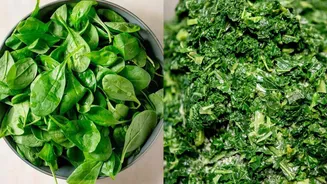








Vitamin Powerhouses Compared
Both spinach and kale are champions when it comes to vitamins, yet they offer distinct advantages. Spinach particularly shines with its abundance of vitamin A,
crucial for maintaining sharp vision and bolstering your immune defenses. It also provides a healthy dose of vitamin K, essential for effective blood clotting and maintaining strong bones. Kale, on the other hand, boasts a higher concentration of vitamin C, a vital nutrient for immune system support and promoting healthy skin. Furthermore, kale surpasses spinach in its vitamin K content, positioning it as an excellent choice for individuals prioritizing bone health. Understanding these differences allows you to tailor your intake based on your specific nutritional goals and requirements.
Mineral Richness Explored
When it comes to essential minerals, both spinach and kale are excellent sources, particularly for calcium and iron. While spinach does contain more iron per serving than kale, a crucial factor to consider is the presence of oxalates in spinach. These compounds can interfere with the body's ability to absorb the iron present. Kale, conversely, offers a more readily available form of calcium, providing a greater amount per serving without the oxalate hindrance. For those aiming to enhance their calcium intake and ensure optimal absorption, kale emerges as the superior option. This distinction is important for individuals managing iron or calcium deficiencies, highlighting that quantity isn't always the sole determinant of nutritional benefit.
Antioxidant Levels Analyzed
Protecting your cells from the damaging effects of free radicals is a key role of antioxidants, and both spinach and kale deliver robustly in this area. Spinach is particularly lauded for its high levels of lutein and zeaxanthin, compounds that are exceptionally beneficial for maintaining good eye health and preventing age-related macular degeneration. Kale, in contrast, is a rich source of quercetin and kaempferol, potent antioxidants known for their significant anti-inflammatory properties. Regular consumption of kale has been linked to a reduced risk of various chronic diseases. Incorporating either of these leafy greens into your diet is a simple yet effective way to boost your intake of these vital protective compounds, contributing to overall cellular health and disease prevention.
Fiber Content Insights
The importance of dietary fiber for a well-functioning digestive system cannot be overstated, contributing to regularity and overall gut health. When comparing spinach and kale, kale holds a slight edge, offering marginally more fiber per serving than spinach. This additional fiber in kale can be particularly beneficial for maintaining smooth digestive processes and promoting a feeling of fullness. Regardless of this minor difference, incorporating either of these nutrient-dense greens into your regular meals is a fantastic strategy to help you meet your daily recommended fiber intake. Beyond fiber, both greens provide a wealth of other essential nutrients that work synergistically to support your body's well-being and contribute to a balanced, healthy diet.