




The Versatile Shea Tree
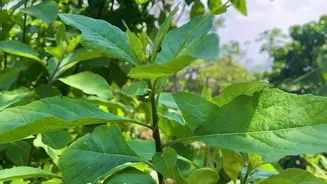
The shea tree, indigenous to West Africa, is a cornerstone of local economies and traditions, celebrated for its multifaceted utility. Beyond its well-known
use in producing shea butter, prized for both culinary and cosmetic purposes, the tree also yields edible fruits. These fruits are the foundation for an intriguing jam, showcasing a lesser-known but equally valuable aspect of this remarkable plant. The consistent availability of shea products, from butter to jam, empowers numerous communities, offering sustainable livelihoods and preserving age-old practices that connect people to their natural resources and cultural heritage. This deep-rooted connection underscores the shea tree's significance as more than just a source of food or ingredients, but as a vital component of African identity and economic resilience.
Crafting Shea Fruit Jam
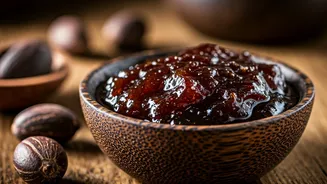
The creation of African shea fruit jam is a process steeped in tradition, beginning with the careful selection of ripe shea fruits. Once gathered, the seeds are meticulously removed, leaving the fleshy pulp which then undergoes a transformation through cooking. This culinary technique reduces the pulp to a thick, spreadable consistency, capturing the fruit's inherent flavors. Sweeteners such as sugar or honey are often introduced, their addition guided by regional tastes and preferences, balancing the natural tanginess of the fruit. This method of preparation not only enhances the flavor profile but crucially serves to preserve the jam, extending its usability and allowing its enjoyment beyond the immediate harvest season. It's a testament to resourceful preservation techniques that have been passed down through generations.
Culinary Applications
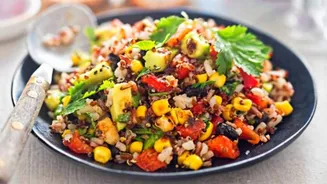
Across the diverse landscapes of Africa, shea fruit jam finds its way into an array of culinary creations, demonstrating its remarkable adaptability. It is frequently enjoyed as a simple yet satisfying spread, gracing slices of bread, or serving as a delightful filling for a variety of pastries, adding a unique sweetness and texture. Its versatility extends beyond sweet applications; in some locales, it's integrated into savory dishes, offering a distinctive flavor contrast. Furthermore, it acts as a foundational ingredient in sauces that complement traditional meals, enriching their depth and complexity. This widespread use highlights shea fruit jam's role as an integral element in numerous regional gastronomic traditions, a testament to its enduring appeal and adaptability in everyday cooking.
Nutritional Powerhouse
The inherent goodness of shea fruits extends beyond their delightful taste, encompassing a significant nutritional profile beneficial for overall health. These fruits are naturally rich in vital vitamins, notably vitamin A, which plays a crucial role in maintaining healthy vision and skin elasticity, and vitamin E, a potent antioxidant. Moreover, they provide essential fatty acids that, when incorporated into a balanced diet, contribute positively to cardiovascular well-being. These nutritional contributions elevate shea fruits from mere culinary ingredients to valuable components that actively support a healthy lifestyle. Their consumption offers a dual benefit: enhancing meals with unique flavors while simultaneously contributing to the body's well-being.