



Til Pitha's Charm
The first culinary delight of Magh Bihu 2026 is Til Pitha. These delectable sesame-stuffed rice rolls are a must-have during the festivities. The preparation
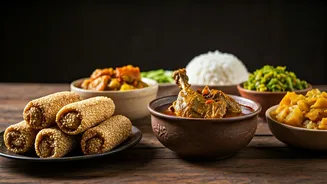
involves a meticulous process where rice flour is kneaded into a dough, then stuffed with sesame seeds and other sweet ingredients before being shaped into rolls. Afterward, they are either deep-fried to a golden crisp or steamed to perfection. The soft texture combined with the rich, nutty flavor of sesame makes it a favorite across all age groups and a significant part of the Magh Bihu celebration. The Til Pitha symbolizes the prosperity and abundance associated with the harvest season, and its preparation typically involves family participation, strengthening bonds and celebrating tradition.
Coconut Jaggery Laddoo
Next on the list of Magh Bihu 2026 delicacies are Narikol Laru, or coconut jaggery laddoos. These bite-sized treats are a classic representation of Assamese sweets and are made with grated coconut, jaggery (a type of unrefined sugar), and often cardamom for added flavor. The ingredients are combined and then shaped into small balls, offering a delightful blend of textures and tastes. Narikol Laru are not only delicious but also represent the sweetness of life and the joy of sharing. The practice of making these laddoos is frequently a community affair, with neighbors and friends working together. This act exemplifies the cooperative spirit and the celebration's shared sense of joy.
Guror Payosh Delight
The third dish featured in the Magh Bihu 2026 spread is Guror Payosh, a jaggery-infused kheer. This creamy dessert is made with milk, rice, and jaggery as its main components. The jaggery imparts a unique caramel-like flavor, setting it apart from other traditional kheer recipes. The rice is slowly cooked in milk until it thickens, creating a comforting and satisfying experience. Nuts, such as cashews and almonds, are often added for extra texture and richness. The Guror Payosh is a sweet treat that typically concludes a meal, symbolizing a sweet beginning for the new year ahead. It's a dessert that encapsulates the warmth and togetherness inherent in the Magh Bihu festivities, uniting family members as they enjoy its taste together.
Duck Curry's Richness
A staple dish during the celebrations of Magh Bihu 2026, the Assamese-style duck curry offers a rich and flavorful experience. The preparation involves simmering duck meat with a blend of aromatic spices, creating a symphony of tastes. The dish often includes ingredients like ginger, garlic, green chilies, and a variety of regional spices. The duck is cooked until it is tender and the flavors have melded together, resulting in a savory dish that is often served with rice. The duck curry is considered a festive specialty, often reserved for special occasions and celebrations. It represents the abundance and culinary expertise of Assamese cuisine, showcasing the traditional practices of cooking.
Tangy Fish Curry
Masor Tenga, or tangy Assamese fish curry, is another prominent dish during Magh Bihu 2026. This dish features fish cooked in a sour and flavorful broth, which offers a refreshing counterpoint to the richer dishes. The broth is usually made with tomatoes, tamarind, or other souring agents, along with a blend of spices. Different types of fish, specific to the region, are used in this dish. The fish is simmered until it absorbs the tangy flavors of the broth, creating a light yet satisfying experience. Masor Tenga is a favorite among those who appreciate a balance of flavors and it reflects the use of fresh, local ingredients. It showcases the diverse culinary heritage associated with the festival.
Pigeon Meat's Rustic Flavor
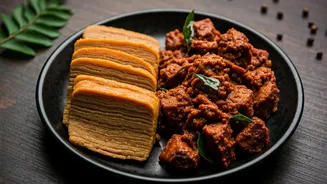
Pigeon meat curry is a festive rustic specialty during the Magh Bihu 2026 celebrations. This dish, often prepared in rural areas, involves slow-cooking pigeon meat with a mix of indigenous spices. The preparation process involves marinating the meat, then slowly cooking it. The distinctive, gamey taste of the pigeon meat is enhanced by the rich gravy, making it a unique culinary offering. This dish is usually reserved for festive occasions. Its preparation highlights the resourcefulness of the locals. It represents a more rustic and traditional side of Assamese cuisine, reflecting practices that have been passed down for generations and providing a taste of the region's heritage.