




Prime Time for Thrills
For an optimal sandboarding experience in the magnificent Great Sand Sea, scheduling your visit between October and April is highly recommended. This period
offers a welcome respite from the intense desert heat, with daytime temperatures typically ranging from a comfortable 20 to 30 degrees Celsius. While the days are pleasant for outdoor exploration and adventure, it's worth noting that the desert nights can become quite cool. By planning your expedition during these cooler months, you ensure a more enjoyable and less strenuous time navigating the sandy expanses, allowing you to fully embrace the exhilaration of sandboarding without the discomfort of extreme heat.
Essential Sandboarding Kit
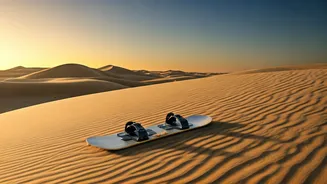
To truly make the most of your sandboarding adventure in the Great Sand Sea, equipping yourself with the right gear is paramount. You'll need a robust sandboard featuring a smooth underside, which is crucial for achieving effortless glides down the sandy slopes. Comfortable attire that permits unrestricted movement is also vital, while simultaneously offering protection from the sun's rays. Don't forget essential accessories like sunglasses to combat glare from the abundant sand and high-SPF sunscreen to safeguard your skin from harmful UV radiation that is amplified by the reflective desert surface.
Navigating Dunes Safely
Prioritizing safety is non-negotiable when sandboarding in Egypt's Great Sand Sea. Staying well-hydrated is fundamental; make sure to consume plenty of water throughout your day of exploration to avoid dehydration. It's also prudent to stay informed about the prevailing weather conditions, as rapid atmospheric changes can introduce unforeseen risks to the terrain. Before embarking on any descent, always conduct a thorough inspection of the dunes to identify and avoid any hidden obstacles or abrupt, steep drops that could pose a hazard.
Mastering Dune Navigation
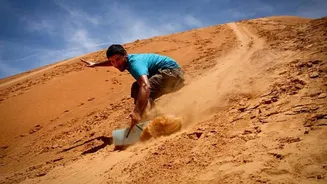
Becoming adept at navigating the dynamic dune landscape is key to successfully sandboarding in this remarkable region. It's advisable for beginners to commence their journey on smaller, less challenging hills before progressing to larger ones as their confidence and proficiency grow. To maintain control and balance during descents, learn to utilize your body weight effectively. Lean forward slightly when descending steeper sections and shift your weight backward when traversing flatter areas to ensure stability and smooth riding.