




Understanding Back Pain
Back pain is a widespread affliction, affecting people of all ages due to modern lifestyles characterized by prolonged sitting and heightened stress. It
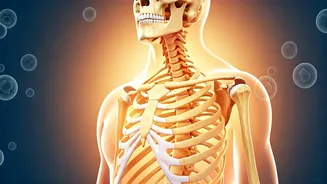
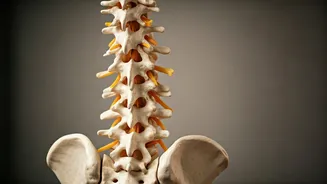
manifests as discomfort in the muscles, bones, or nerves of the back, which can occur in the lower, upper, or neck regions. Ignoring this pain can lead to more severe spinal issues, such as herniated discs or sciatica, significantly disrupting daily routines and diminishing overall quality of life. Globally, low back pain is a leading cause of disability, impacting millions. The experience of back pain can range from mild, nagging aches to intense agony that might radiate into the legs or arms, severely hindering sleep, work, and general mobility. In India, the prevalence of back pain is notably high, with an estimated 87.5 million cases of low back pain reported in 2023, underscoring the urgent need for effective management strategies.
Common Pain Triggers
Several factors contribute to the onset of back pain. Prolonged sitting, especially with poor posture, places undue strain on back muscles and ligaments, leading to chronic tightness and weakening of the spine. This is particularly prevalent in India given the sedentary nature of many jobs. Muscle or ligament strains can arise from sudden twists, improper lifting of heavy objects, or overexertion during physical activities. Furthermore, slipped or herniated discs, where the cushioning discs between spinal bones bulge or rupture, can compress nearby nerves, causing radiating pain like sciatica. Injuries from falls, accidents, or even incorrect lifting techniques can damage spinal bones and tissues. Additionally, lifestyle factors such as stress, excess weight, smoking, and hormonal changes in women can exacerbate back pain. In some instances, conditions like kidney stones or arthritis can mimic muscular aches, necessitating professional medical evaluation if pain persists.
Doctor-Approved Remedies
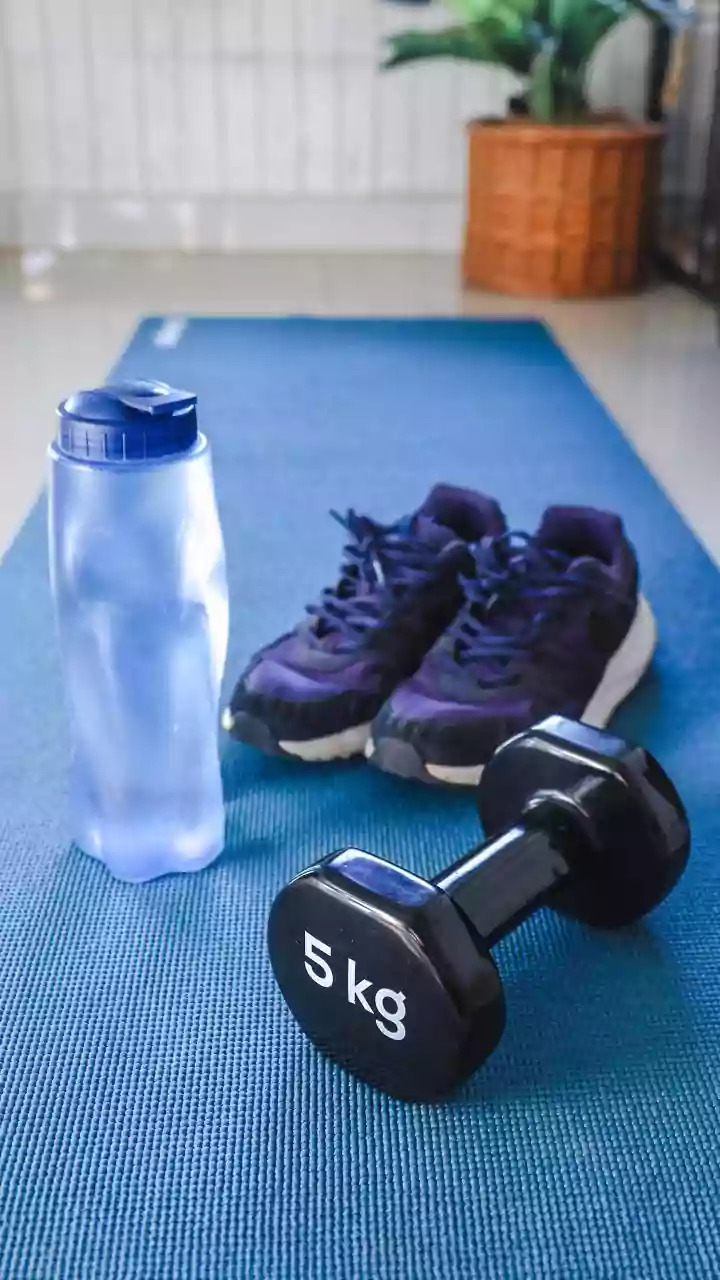
To manage back pain effectively, a multi-faceted approach is recommended. Dr. Harshal Bamb suggests maintaining a balance between rest and mobility; while brief rest can help with acute pain, prolonged inactivity leads to muscle stiffness. Gentle movement, like walking at home, is crucial for circulation. Adopting and maintaining good posture is paramount – sit and stand with your back aligned, feet flat on the floor, and use lumbar support, avoiding slouching and sudden bends. When lifting objects, always bend at the knees and keep them close. Gentle stretching and specific exercises, such as knee-to-chest stretches or the cobra pose, can significantly help, ideally after a brief warm-up and followed by a cool-down. Applying hot or cold compresses can also provide relief: ice packs for fresh swelling and heat for muscle stiffness. Finally, avoid improper heavy lifting by strengthening core muscles and always seek medical advice if pain is severe, persists for over a week, or is accompanied by numbness or weakness in the legs.