






Ingredient Essentials
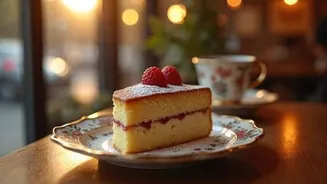
Achieving a truly exceptional sponge cake begins with meticulous attention to your ingredients. Opt for the freshest eggs you can find, as their aeration
capabilities are paramount to the cake's signature lightness. Room temperature eggs whip up more effectively, creating a greater volume of stable foam, which is the foundation of a good sponge. The flour you choose also matters; a cake flour, with its lower protein content, will result in a more tender crumb compared to all-purpose flour. Ensure your sugar is fine-grained, as it dissolves more easily and integrates smoothly into the batter. Always measure your flour and sugar accurately; using too much flour can lead to a dry cake, while insufficient sugar might prevent proper structure formation. Similarly, the quality of your butter or oil, and even your leavening agents like baking powder if used, can significantly impact the final texture and flavor. Don't overlook the importance of room temperature for ingredients like butter, as this ensures they emulsify properly, preventing a greasy or dense outcome. Precision in measurement and selection sets the stage for a superior sponge.
Whipping Wonders
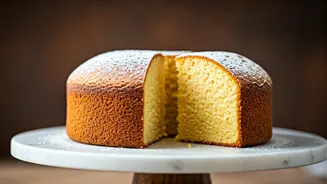
The magic of a sponge cake lies in its airy texture, achieved primarily through the careful aeration of eggs and sugar. This process is arguably the most critical step. Whether you're using the whole egg method or separating yolks and whites, the goal is to create a stable, voluminous foam. For the whole egg method, eggs and sugar are often beaten together over a bain-marie (a warm water bath) to gently heat the mixture, which helps dissolve the sugar completely and allows the eggs to achieve maximum volume when whipped. This warmed mixture is then whipped vigorously, often with an electric mixer on high speed, until it becomes pale, thick, and forms ribbons when the whisk is lifted. If separating eggs, the yolks are typically beaten with sugar, and the egg whites are whipped with a pinch of cream of tartar or lemon juice to stabilize them, creating a meringue that is then folded in. The key is to achieve a consistency that is light and fluffy, holding its shape without being stiff or dry. This aerated base will provide the cake's characteristic lightness and delicate crumb, making this stage non-negotiable for success.
Folding Techniques
Once your eggs have been perfectly whipped, the next crucial stage involves gently incorporating the dry ingredients without deflating the precious air you've just created. This is where the art of 'folding' comes into play. Instead of vigorously stirring or beating, you'll use a large spatula or a balloon whisk to carefully lift and combine the flour mixture with the egg base. Sift your flour (and any other dry ingredients like baking powder) in stages over the egg mixture. Use a sweeping motion, cutting down through the center of the bowl and then bringing the batter up and over the flour, turning the bowl as you go. This gentle motion preserves the air bubbles that give the sponge cake its lift and delicate texture. Overmixing at this stage is a common pitfall that can lead to a dense, tough cake. The objective is to combine just until no streaks of flour remain visible. A light hand and a patient approach are essential to maintain the airy structure that defines a perfect sponge.
Baking Precision
The final act in creating your perfect sponge cake is baking it with precision. Once the batter is ready and gently folded, it's time for the oven. Ensure your oven is preheated to the correct temperature, as a stable and accurate temperature is vital for the cake to rise evenly. Pour the batter into your prepared cake tin(s) immediately after folding, as the batter can start to deflate if left to sit. Use a spatula to gently spread the batter evenly, taking care not to knock out too much air. Avoid the temptation to open the oven door too early during baking, as this sudden change in temperature can cause the cake to collapse. A sponge cake typically bakes relatively quickly, and you'll know it's done when it springs back lightly when touched in the center and a skewer inserted into the middle comes out clean. Overbaking can lead to a dry cake, so keep a close eye on it during the final minutes of baking. Allow the cake to cool in the tin for a few minutes before inverting it onto a wire rack to cool completely.