



The Rug Layering Advantage
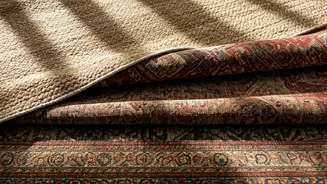
Adding depth and a cozy feel to your living space can be achieved quite simply through the strategic placement of multiple area rugs. This technique involves
combining rugs of different textures, patterns, and colors to craft a look that is distinctly yours and reflects your personal flair. It’s a highly adaptable design approach suitable for a variety of rooms, offering a fresh perspective or a subtle update without necessitating costly renovations. Layering rugs presents an economical yet impactful solution for revitalizing your home décor.
Harmonizing Hues
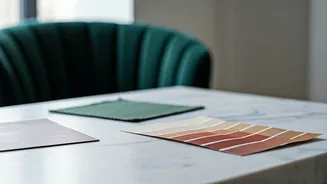
Achieving a cohesive look when layering rugs hinges on the skillful selection of complementary colors. It’s essential to choose shades that either precisely match or subtly enhance your existing interior design palette. This ensures that the rugs work in harmony with each other, preventing any jarring visual clashes. Beginning with a foundational rug in a neutral tone is often a wise strategy, as neutral colors tend to blend seamlessly with most color schemes. Subsequently, you can introduce smaller accent rugs in contrasting or complementary hues to inject visual interest and dynamism into the arrangement, creating a balanced and appealing aesthetic.
Tactile Dimensions
Introducing variety in textures is another effective method for imparting a sense of depth when you're layering rugs. The juxtaposition of contrasting textures, such as a plush, soft wool rug alongside a more tightly woven, flat-weave rug, creates a rich tactile experience that enhances the welcoming nature of the room. These differing textures introduce a welcome dimension, making the area significantly more appealing to the eye. The key is to ensure that these textures complement rather than compete with one another, collectively contributing to the overall sophisticated ambiance of the space.
Pattern Play
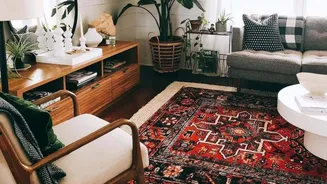
Incorporating diverse patterns can significantly contribute to the unique character of your layered rug ensemble. However, it is crucial to implement varying patterns judiciously to prevent the space from feeling overwhelmed or cluttered. A recommended approach is to identify one primary pattern that will serve as the central visual anchor, and then select smaller patterned rugs that harmoniously complement this main pattern without overshadowing it. Whether you opt for stripes, geometric designs, floral motifs, or tribal prints, they can all be effectively combined if a sense of balance is maintained throughout the arrangement.
Zoning Spaces
The technique of layering rugs also proves invaluable for demarcating distinct functional areas within larger, open-plan layouts or expansive rooms. Utilize larger, anchoring rugs to establish the foundation for specific zones, such as the primary seating area in the living room or the dining space. Layer smaller accent rugs atop these base layers to subtly define individual zones without the need for physical dividers like furniture groupings or walls. This method fosters a sense of cohesion throughout the room while simultaneously creating clearly delineated and distinct areas, enhancing both organization and visual appeal.
Size & Shape Exploration
Experimenting with an assortment of sizes and shapes during the rug layering process can yield surprisingly delightful and unique outcomes. Do not hesitate to mix and match shapes like circles, squares, and rectangles, considering how they best fit your room's dimensions and furniture arrangement. Similarly, varying the sizes of your rugs can significantly contribute to establishing a sense of equilibrium in the space. Ensure that the proportions are thoughtfully considered to create a layered effect that is both aesthetically pleasing and harmoniously cohesive, tying the entire design together.