







Weight Loss: More Than Just Steps
Many believe that simply walking a certain number of steps will guarantee weight loss, but this is a significant oversimplification. While walking undoubtedly
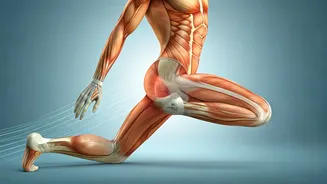
contributes to calorie expenditure, it's merely one piece of the larger weight management puzzle. Achieving substantial and sustainable weight loss requires a holistic approach that integrates a well-balanced dietary plan and incorporates other forms of physical activity, particularly strength training. Relying solely on walking without addressing your nutritional intake or building muscle mass through resistance exercises will likely yield disappointing results. Effective weight loss is a combination of caloric deficit through diet and increased metabolism from muscle, with walking playing a supportive, rather than primary, role.
Health Benefits: Quality Over Quantity
The notion that accumulating more steps invariably equates to superior health is a widespread myth. The actual impact of your walking routine hinges more on its intensity and consistency rather than solely on the sheer volume of steps taken. A shorter, brisk 30-minute walk, performed at a pace that elevates your heart rate and breathing, can offer more profound cardiovascular and metabolic benefits than a prolonged, leisurely two-hour stroll. The key is to engage your body effectively through moderate to vigorous exertion. Focusing on the quality of your movement – maintaining an appropriately challenging pace and ensuring regularity in your walks – will yield far greater returns for your overall well-being than simply aiming to reach an arbitrary step target.
Beyond the Beginner Stage
It's a common misconception that walking is exclusively an activity for individuals new to fitness or those with limited physical capacity. This perspective overlooks the versatility and adaptability of walking as an exercise. People at all stages of their fitness journey, from seasoned athletes to those recovering from injuries, can derive significant advantages from incorporating walking. It serves as an excellent complementary activity to more rigorous training regimens, providing active recovery and maintaining cardiovascular health without undue stress. Furthermore, for individuals managing joint pain or recovering from physical trauma, walking offers a low-impact yet effective way to stay active and improve mobility, proving its value far beyond the beginner phase.
Footwear Fundamentals
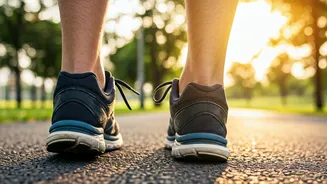
While the idea that any pair of shoes will suffice for walking is appealing due to its simplicity, it overlooks a crucial aspect of injury prevention and comfort. While you might not need specialized athletic gear, neglecting proper footwear can lead to discomfort and potential injuries, especially during longer or more frequent walks. Investing in a quality pair of walking shoes is paramount. These shoes are designed to provide adequate support, cushioning, and stability, which are essential for absorbing impact and promoting correct foot alignment. The right footwear can significantly enhance your walking experience, enabling you to walk longer and more comfortably, thereby encouraging greater consistency in your fitness routine.
Indoor vs. Outdoor Advantages
The romantic notion of outdoor walking being universally superior to indoor options is often challenged by practical realities. While the fresh air and scenery of an outdoor walk are undeniably appealing, factors such as adverse weather conditions, safety concerns related to the environment, or a lack of convenient access can make it impractical or even unsafe. In such scenarios, indoor walking, typically on a treadmill, emerges as a highly effective alternative. Treadmills offer a controlled and predictable environment, allowing for consistent workout intensity and duration regardless of external variables. This makes indoor walking a reliable method for maintaining a regular fitness regimen when outdoor conditions are not conducive.