



Vitamin Powerhouses Explored
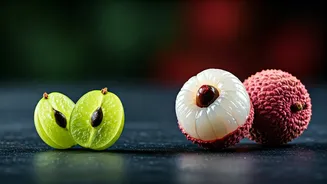
When it comes to essential vitamins, gooseberries truly shine, providing well over 100% of your daily vitamin C needs in a single serving. Beyond this
impressive vitamin C boost, they also offer smaller quantities of vitamins A and K, contributing to various bodily functions. Litchis, while also a good source of vitamin C, distinguish themselves by offering a more substantial amount of vitamin B6. This means that depending on your specific vitamin requirements, either fruit can be a valuable addition to your diet, catering to different nutritional priorities. Choosing between them might hinge on whether you're prioritizing that extra vitamin C kick from gooseberries or the beneficial B6 content found in litchis.
Mineral Composition Insights
Delving into their mineral content, gooseberries are a good source of potassium, magnesium, and calcium, all vital for maintaining a healthy cardiovascular system and ensuring strong bones. Litchis also contain potassium but stand out for their higher concentrations of copper and phosphorus compared to gooseberries. This divergence in mineral makeup is key for making informed dietary choices. If your goal is to boost your intake of calcium and magnesium for bone and heart health, gooseberries might be the preferred choice. Conversely, if you're looking to increase your copper and phosphorus levels, litchis offer a more concentrated source, highlighting how these fruits serve distinct mineral needs.
Antioxidant Properties Examined
Both gooseberries and litchis are celebrated for their potent antioxidant properties, playing a crucial role in defending your cells against the damage caused by unstable free radicals. Gooseberries are particularly rich in polyphenols, a type of antioxidant renowned for its anti-inflammatory effects, which can help combat inflammation throughout the body. Litchis, on the other hand, contain a unique antioxidant called oligonol. Research suggests that oligonol may be beneficial in enhancing blood circulation and alleviating feelings of fatigue. Therefore, incorporating either of these fruits into your regular diet is an excellent strategy for augmenting your body's antioxidant defenses and promoting overall well-being.
Caloric Value Considerations
For those mindful of their daily calorie intake, both gooseberries and litchis present themselves as excellent low-calorie options. A typical serving of gooseberries contains approximately 60 calories, making them a light and refreshing choice. Litchis, while slightly higher, still remain a modest option, with an equivalent serving providing around 70 calories. This makes both fruits ideal for enjoying as satisfying snacks or for adding a burst of flavor to meals without significantly impacting your overall calorie consumption. Their low caloric density ensures they can be part of a balanced diet without contributing excessively to daily energy intake.