





Mastering the Watering Ritual
Achieving the right hydration balance is paramount for the well-being of your curry leaf plant. The golden rule is to water only when the top inch of the soil
feels dry to the touch, signaling that the plant is ready for more moisture. Overzealous watering can be detrimental, leading to root rot, a serious condition that can quickly weaken your plant. Therefore, ensuring your pot is equipped with adequate drainage holes is non-negotiable; this allows excess water to escape freely, preventing saturation. During periods of intense heat, you might find yourself reaching for the watering can more frequently. However, it's crucial to resist the urge and always conduct a soil moisture check before adding more water. This mindful approach to watering will keep your curry leaf plant strong and resilient.
Sunlight: The Plant's Best Friend
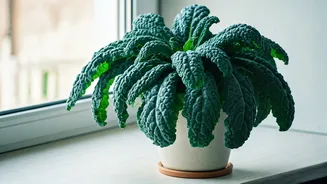
Curry leaf plants absolutely thrive on abundant sunshine, craving at least six hours of direct light daily. To maximize their exposure, position your plant in a location that receives ample sunlight throughout the day. If your curry leaf plant resides indoors, a south-facing window is your best bet, offering the most intense light available. For younger, more delicate plants, be mindful of harsh afternoon sun, which can sometimes be too strong and lead to leaf scorching. In such instances, providing a little temporary shade can offer essential protection, ensuring their delicate foliage remains unharmed while still benefiting from overall bright conditions.
Ideal Soil & Potting
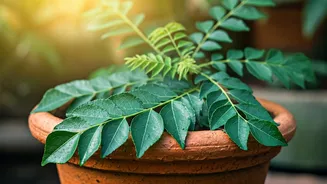
The foundation of a healthy curry leaf plant lies in its soil and potting environment. Opt for a soil mix that is exceptionally well-draining, incorporating organic materials such as compost or peat moss to enrich its nutrient content and improve structure. The pot itself must feature drainage holes to prevent water from accumulating around the roots, which is a common cause of plant distress. It's also a good practice to repot your curry leaf plant periodically, typically every couple of years, or whenever you observe that the roots have become cramped and are beginning to outgrow their current container. This rejuvenation process is vital for maintaining the plant's vigor and encouraging continued growth.
Conquering Common Pests
Keeping an eye out for common garden adversaries like aphids and spider mites is essential for the sustained health of your curry leaf plant. Make it a habit to inspect your plant regularly, looking for any tell-tale signs of infestation. These might include leaves that have lost their vibrant color, developing spots, or the presence of fine webbing clinging to the stems and leaves. When a pest problem is detected, effective control is key. Consider employing natural and gentle methods such as neem oil sprays or insecticidal soaps. These solutions are generally effective at eradicating pests while also being considerate of beneficial insects that contribute positively to your garden's ecosystem.
Pruning for Lush Growth
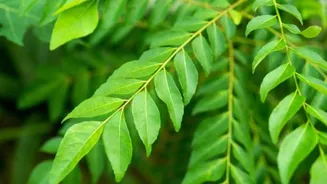
Strategic pruning plays a significant role in cultivating a curry leaf plant that is both bushy in appearance and consistently productive. Regularly trim away any branches that have become excessively long and leggy, as well as any that have withered or died. This practice not only enhances the plant's aesthetic appeal but also stimulates the emergence of new shoots, leading to denser foliage. Furthermore, pruning improves air circulation throughout the plant's canopy, which can help prevent fungal issues. Always use clean, sharp pruning tools to make precise cuts, thereby minimizing the risk of introducing diseases to your plant or spreading them between plants.