






The Water Paradox Explained
It's a common, yet perplexing, situation: consuming vast quantities of water, particularly during sweltering summer months, only to find yourself still
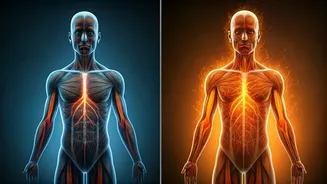
feeling parched and dehydrated. This phenomenon often leads individuals to overlook the subtler signs of dehydration, potentially causing them to fall ill. The crux of the matter lies not solely in the volume of water consumed, but in the body's intricate fluid balance mechanisms, which are significantly impacted by more than just simple water intake. When the mercury rises, our bodies work overtime to regulate temperature, primarily through perspiration. However, this sweating process doesn't just release water; it also carries away vital minerals known as electrolytes. Consequently, if you only replenish the lost water without addressing the depleted electrolytes, you can inadvertently dilute the remaining mineral concentration in your system. This imbalance can then interfere with normal cellular functions, leaving you feeling fatigued, dizzy, and surprisingly, dehydrated despite your best efforts to drink up.
Understanding Electrolytes' Role
Electrolytes are essentially charged minerals – like sodium, potassium, magnesium, and calcium – that play a pivotal role in numerous bodily functions once dissolved in fluids. Think of them as tiny powerhouses that facilitate essential processes such as maintaining proper fluid equilibrium throughout your body, enabling the transmission of nerve signals crucial for muscle movement and cognitive function, regulating blood pressure to ensure smooth circulation, and most importantly, driving muscle contractions, including the vital rhythm of your heart. In essence, while water is the primary hydrating agent, it's the electrolytes that ensure this hydration is effectively utilized at a cellular level, allowing water to perform its functions optimally. Without an adequate supply of these minerals, even copious amounts of water might not be enough to achieve true cellular hydration, leading to the persistent feeling of thirst and dehydration that many experience.
Why Plain Water Falls Short
During warmer periods, our bodies naturally increase fluid loss through sweat. This process, however, is a double-edged sword: it cools us down but also depletes essential electrolytes. When your fluid replacement strategy solely focuses on plain water, you neglect to replenish these crucial minerals. This deficit disrupts the delicate balance of fluids within your body, impacting how efficiently water is absorbed into your cells. Consequently, you might still experience symptoms like fatigue, dizziness, and a persistent feeling of dehydration. Electrolytes act as sophisticated regulators, controlling the movement of water in and out of your cells. They essentially function as gatekeepers, ensuring that water is not just present in your system but is also effectively utilized for optimal hydration at the most fundamental level. Therefore, in conditions of significant fluid loss, plain water alone often proves insufficient to fully restore your body's hydration status.
Optimizing Summer Hydration
In the intense heat of summer, your body’s hydration demands escalate considerably. Electrolytes become particularly indispensable during this time because they significantly enhance the body’s ability to absorb and retain water, thereby providing a more robust defense against dehydration and heat-related ailments like heat exhaustion. Furthermore, they are critical for maintaining optimal muscle and nerve function, which helps in preventing debilitating cramps and fatigue. Proper electrolyte balance also aids in regulating body temperature, a crucial function for surviving extreme heat. Without sufficient electrolytes, even drinking large volumes of water can fail to fully rehydrate your system. It's vital to understand that electrolytes are not a substitute for water but rather a vital complement. While a balanced diet typically suffices for daily needs, during periods of intense heat, it becomes beneficial to combine water intake with electrolyte-rich sources. Options like oral rehydration solutions, natural coconut water, or even lightly salted beverages can dramatically improve your body's hydration and overall well-being.