




Water Wisely
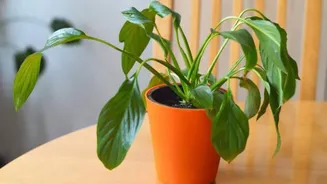
A drooping plant is often a sign of hydration issues, either too much or too little water. To gauge your plant's thirst accurately, perform a simple finger
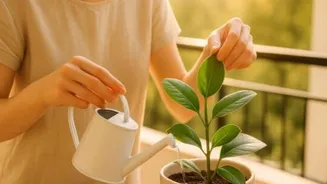
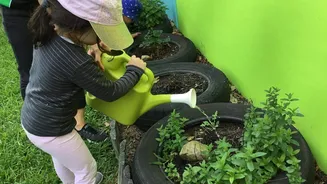
test: insert your digit about two inches into the soil. If it feels dry at that depth, it's time to hydrate. Conversely, if the soil remains perpetually moist, you might be overwatering, which can lead to root rot and subsequent drooping. Ensuring your pots have adequate drainage holes is paramount to prevent waterlogged conditions that suffocate plant roots and hinder their ability to absorb nutrients, ultimately contributing to a sad, wilted appearance.
Light Matters
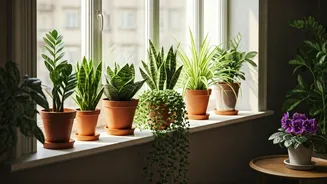
Adequate light is the lifeblood of any plant, and insufficient illumination is a frequent culprit behind wilting. If your plant's leaves are starting to sag, consider repositioning it closer to a natural light source, such as a window. For darker corners or during dimmer months, supplementing with artificial grow lights can make a significant difference. However, it's crucial to understand your specific plant's light preferences. Direct, intense sunlight can scorch the leaves of plants that prefer diffused or indirect light, causing them to droop as a defense mechanism or due to cellular damage.
Stable Temperatures
Indoor plants are sensitive creatures, and sudden shifts in temperature can induce stress, leading to leaf droopiness. The sweet spot for most houseplants lies between 65 to 75 degrees Fahrenheit (18 to 24 degrees Celsius). To maintain this optimal range, place your plants away from areas prone to rapid temperature fluctuations. This includes avoiding placement near drafty windows, heating vents, or air conditioning units that can blast them with either extreme heat or cold, disrupting their equilibrium and causing them to wilt.
Humidity Boost
Certain species of indoor plants originate from humid environments and will droop if the air around them is too dry. To combat low humidity, consider introducing a humidifier into the plant's vicinity. Alternatively, placing a shallow tray filled with water near your plant can create a localized microclimate with increased moisture. The gentle evaporation from the water will raise the humidity levels. Even a light misting of the leaves with water can provide a temporary boost, mimicking the dewy conditions these plants often crave.
Prune for Growth
Don't shy away from pruning; it's a vital practice for plant recovery. When you notice leaves that have turned yellow or appear damaged, carefully remove them. This act redirects the plant's energy from supporting dying foliage to fostering new, healthy growth. Using clean, sharp scissors or pruning shears, make a clean cut at the base of the affected leaf, ensuring you don't accidentally injure surrounding healthy parts. This not only tidies up the plant's appearance but also significantly reduces the overall stress on the plant, encouraging it to bounce back with renewed vigor.