





Mastering Balance and Agility
Engaging in backward walking demands a heightened sense of concentration and a deliberate focus on stability, starkly contrasting with the automatic nature
of forward movement. This deliberate effort actively challenges and refines your body's inherent balance and coordination mechanisms. By requiring different muscle activations and utilizing varied sensory feedback pathways, this reversed gait systematically enhances your proprioception, leading to a noticeable improvement in overall stability over consistent practice. As your confidence and skill in navigating your surroundings in reverse grow, you'll likely observe a positive ripple effect, translating into greater agility and a more grounded sense of ease in your everyday physical activities.
Targeting Leg Strength
When you shift your walking direction to backwards, you effectively recruit a different set of muscles within your lower body compared to your regular forward stride. This unique biomechanical pattern places a greater emphasis on activating and strengthening your calf muscles, the hamstrings nestled at the back of your thighs, and your gluteal muscles. This varied muscular engagement is instrumental in building improved strength and achieving better muscle definition in these specific areas over time. Integrating retro walking into your established fitness regimen can serve as a valuable supplementary exercise, effectively complementing the muscle-building efforts you might already be undertaking with other leg-focused activities.
Efficient Calorie Expenditure
Emerging evidence suggests that traversing terrain in a backward motion can lead to a higher calorie burn than covering the same distance while walking forward, even when maintaining an identical pace. The additional exertion required to maintain equilibrium and carefully control your movement as you step backward necessitates a greater expenditure of bodily energy. For individuals actively seeking a more productive method to increase their caloric output during exercise sessions, incorporating segments of backward walking into their workouts presents an appealing and effective strategy for enhanced fitness outcomes.
Gentle on Joints
Backward walking presents itself as a remarkably low-impact physical activity, imposing significantly less strain on your joints when juxtaposed with conventional forward walking or the more vigorous act of running. The distinct mechanics of moving in reverse facilitate a different distribution of body weight across your skeletal joints. This altered pressure distribution can be particularly beneficial for individuals experiencing discomfort or pain associated with knee or hip conditions. Consequently, this form of exercise emerges as an excellent alternative for those prioritizing joint-friendly workout options without sacrificing the overall effectiveness of their fitness routine.
Boosting Heart Health
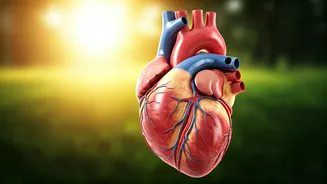
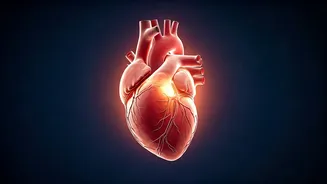
Much like any other form of aerobic conditioning, regular participation in backward walking contributes positively to the health and robustness of your cardiovascular system, provided it's integrated consistently into an active lifestyle. This engaging activity effectively elevates your heart rate and promotes improved blood circulation, mirroring the physiological benefits derived from traditional forward-paced cardio exercises. Beyond its direct impact on physical fitness, the process of backward walking also positively influences mental well-being, largely due to the release of endorphins that naturally occurs during these exercise sessions, fostering a sense of accomplishment and reducing stress.