






The Sedentary Trap
Modern life often pulls us towards inactivity. Spending hours at desks, glued to screens, or engaged in less physical pursuits has become the norm, leading
to what experts call a 'sedentary lifestyle'. While we might notice immediate effects like weight gain or fatigue, the subtler, long-term damage to our bones and joints is a growing concern. Orthopedic specialists are observing a worrying trend: younger individuals, even in their 20s and 30s, are increasingly experiencing joint pain, stiffness, and other musculoskeletal problems that were previously associated with older age. This shift is directly linked to the decrease in everyday movement and exercise, highlighting the critical role physical activity plays in maintaining the structural integrity and function of our skeletal system and its crucial components.
Bone Strength Erodes
Your bones need a regular workout to stay strong and dense, much like your muscles. When you adopt a sedentary lifestyle, you deprive your skeletal framework of the essential physical stress that stimulates bone growth and maintenance. This lack of stimulation can gradually lead to a decrease in bone mineral density, a condition that makes bones weaker and more susceptible to fractures. Think of it as neglecting maintenance on a building; over time, its structural integrity falters. Without the forces generated by activities like walking, running, or lifting weights, the body doesn't receive the signal to build or retain bone mass. Consequently, individuals can face an elevated risk of developing osteoporosis, a condition characterized by brittle bones, even at a relatively young age, making them vulnerable to breaks from minor impacts.
Joints Grow Stiff
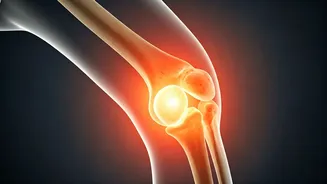
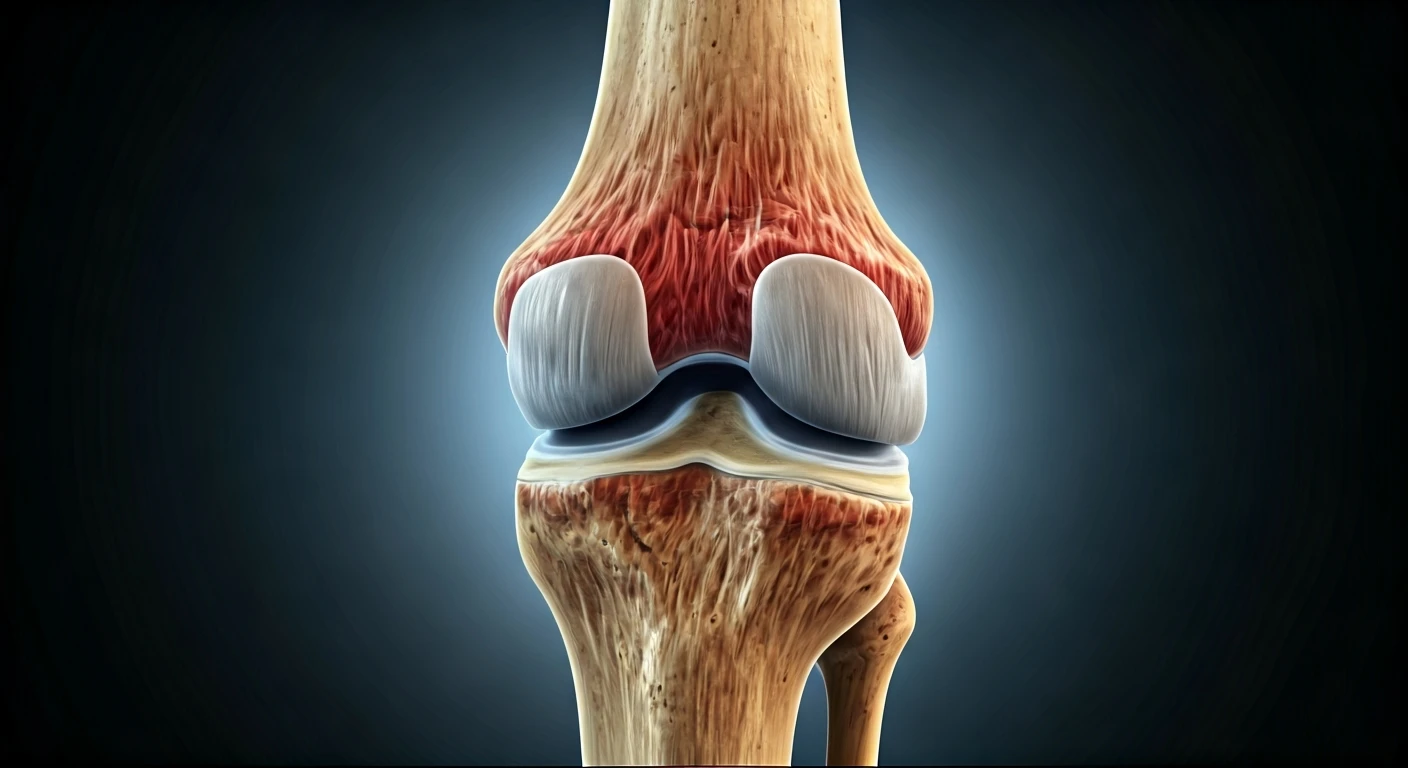
The smooth operation of your joints is heavily reliant on consistent movement. Joints are designed for lubrication and flexibility, facilitated by synovial fluid that reduces friction between bone surfaces. This fluid is best produced and circulated when joints are actively moved through their range of motion. In a sedentary lifestyle, the absence of regular joint activity leads to a gradual stiffening and reduced lubrication. This lack of motion can accelerate the wear and tear on joint cartilage, particularly in weight-bearing areas like the knees and hips, potentially leading to the early onset of osteoarthritis. Furthermore, the muscles that support and stabilize our joints tend to weaken when not used regularly. This muscle weakness places increased strain on the joints themselves, heightening the risk of injuries, ligament sprains, and chronic pain, creating a cycle of discomfort and further inactivity.
Weight's Heavy Burden
One of the most pervasive outcomes of a sedentary way of life is the tendency towards weight gain, leading to obesity. This excess body weight exerts significant, additional pressure on your bones and joints, especially those in your lower extremities. Every extra kilogram you carry translates into a substantial increase in the load placed upon your knees and hips. Over time, this constant, increased pressure contributes to the accelerated wear of joint cartilage, significantly raising the likelihood of developing osteoarthritis. Beyond the mechanical stress, obesity is also intrinsically linked to chronic, low-grade inflammation throughout the body. This inflammatory state can exacerbate existing joint pain and stiffness, further diminishing mobility and perpetuating a detrimental cycle where reduced activity leads to weight gain, which in turn intensifies pain and restricts movement even more.
Posture and Pain
The way we hold our bodies, known as our posture, is fundamental to maintaining a healthy musculoskeletal system. When we spend extended periods sitting with poor alignment – such as slouching forward or hunching our shoulders – we place undue, unnatural stress on our spine and the surrounding muscles and ligaments. Common postural issues stemming from prolonged sitting include a forward head posture, rounded shoulders, and excessive strain on the lower back. Over extended periods, these habitual misalignments can evolve into chronic pain, muscle imbalances, and even structural changes within the spine and joints, often requiring medical attention to correct. This highlights the importance of awareness and conscious effort in maintaining good posture throughout the day, even when seated.
Taking Action Now
The adverse effects of a sedentary lifestyle on your bones and joints are significant, but the good news is they are largely preventable. A cornerstone of prevention is incorporating regular physical activity into your routine. Aim for at least 30 minutes of moderate exercise daily, such as brisk walking or jogging, and include strength training to build supportive muscles. Flexibility exercises like yoga or stretching are also vital for joint mobility. Maintaining a healthy body weight is crucial for reducing stress on your joints, achievable through a balanced diet and consistent exercise. Paying attention to your posture and ensuring an ergonomic workspace can alleviate strain. Remember to take short breaks to move and stretch throughout the day. Finally, don't ignore early warning signs like persistent pain or stiffness; seek prompt medical advice from orthopedic specialists to address issues before they escalate.