





Gluten: Not Always Clear
A widespread belief is that oats are inherently gluten-free, a notion that requires clarification. While oats themselves do not contain gluten, the way
they are handled before reaching consumers often leads to cross-contamination. Many processing facilities handle wheat, barley, and rye alongside oats. This shared environment means that even naturally gluten-free oats can become tainted with gluten particles. For individuals with celiac disease or a severe gluten intolerance, consuming oats that haven't been specifically certified as gluten-free can trigger adverse health reactions. Therefore, looking for certified gluten-free labels is crucial for ensuring safety and enjoying oats without worry.
Weight Loss: No Magic Pill
The idea that oats are a shortcut to rapid weight loss is a persistent myth. While oats are indeed a fantastic source of dietary fiber, particularly soluble fiber, which promotes satiety and can help manage appetite, they are not a standalone solution for shedding pounds. Eating oats can be a valuable component of a well-rounded weight management plan by helping you feel fuller for longer, thus potentially reducing overall calorie intake. However, relying solely on oats to achieve significant weight loss without considering other dietary habits and physical activity is unrealistic. Sustainable weight management involves a holistic approach, and oats play a supportive role rather than a primary one.
Instant Oats: Still Nutritious
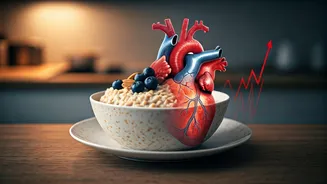
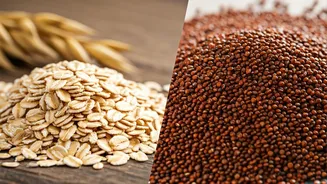
There's a misconception that instant oats are significantly less nutritious than their rolled or steel-cut counterparts. This perception is largely unfounded. Instant oats undergo a process of being pre-cooked and then dried, which allows them to cook very quickly. Despite this accelerated preparation, their fundamental nutritional profile remains largely intact. They continue to provide the beneficial fiber and nutrients characteristic of oats, contributing positively to health goals such as lowering cholesterol levels and supporting cardiovascular well-being. For those seeking convenience without sacrificing nutritional value, instant oats present a viable and healthy breakfast option.
Sugar Content: Plain is Key
A common concern is that oats are inherently high in sugar, deterring some from enjoying them. This belief often stems from flavored oat products that are sweetened with added sugars to enhance their taste. However, plain, unadulterated oats are naturally very low in sugar. The key to managing sugar intake lies in choosing unflavored varieties and being mindful of what you add to them. By opting for plain oats and selecting your own toppings like fruits, nuts, or a touch of natural sweetener, you can effectively control the sugar content and fully benefit from the wholesome goodness of this grain.
Product Variety Matters
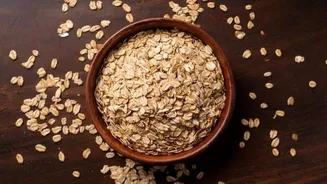
It's important to recognize that not all products containing oats deliver the same health advantages. The processing methods and the inclusion of other ingredients can significantly alter the nutritional impact. For instance, oat-based granola bars, while convenient, might contain substantial amounts of added sugars and unhealthy fats, which can counteract the inherent benefits of oats. To truly harness the health-promoting properties of oats, it's best to select products that have undergone minimal processing and avoid those with unnecessary additives. Prioritizing whole, minimally altered oat forms ensures you're reaping the maximum health rewards.