



Understanding Taro Root
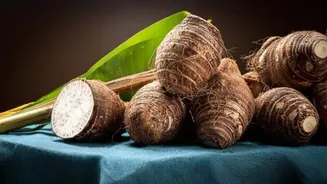
Taro root, scientifically known as Colocasia esculenta, is a starchy tuber that has been a staple food for centuries across various cultures, particularly
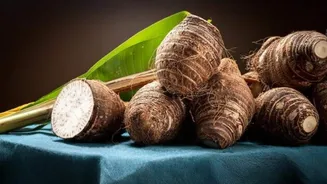
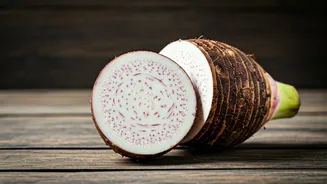
in tropical and subtropical regions. Its distinctive appearance features a rough, hairy exterior that gives way to a creamy white or purplish flesh, depending on the variety. When cooked, taro offers a slightly sweet, nutty flavor and a wonderfully smooth, almost velvety texture, making it a delightful alternative to potatoes or other common starches. It is rich in carbohydrates, providing essential energy, and also contains a good amount of dietary fiber, which aids digestion and promotes a feeling of fullness. Furthermore, taro is a source of various vitamins and minerals, including Vitamin C, Vitamin B6, potassium, and manganese, contributing to overall well-being. Its cultivation dates back thousands of years, highlighting its enduring importance in global agriculture and cuisine. The preparation of taro often involves peeling its fibrous skin, which can be mildly irritating to some, and then cooking it through methods like boiling, steaming, roasting, or frying to break down its starches and make it palatable and digestible.
Taro in Global Cuisine
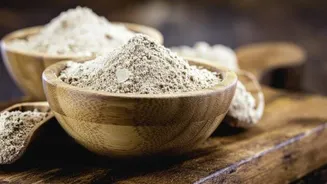
The culinary adaptability of taro root is truly remarkable, finding its way into a vast array of dishes worldwide. In many Asian countries, it's a foundational ingredient in savory preparations, often simmered in curries, stews, and soups, where its starchy nature helps to thicken the broth beautifully and absorb flavors. It's also commonly mashed or pureed to create smooth, comforting side dishes or incorporated into dumplings and savory pancakes. In Hawaiian cuisine, taro is famously transformed into poi, a traditional staple made by pounding cooked taro with water, resulting in a smooth, slightly sour paste. Across the Pacific, in the Caribbean, taro is frequently boiled and served alongside meats and fish, or fried into crispy fritters. Its natural sweetness also lends itself well to desserts; taro can be cooked with coconut milk and sugar to create delightful puddings, custards, and sweet treats, and its vibrant purple varieties are particularly prized for their visual appeal in confectionery. The versatility extends to beverages too, with taro powder being a popular flavoring for milkshakes and bubble teas, adding a creamy texture and a unique taste profile that has gained global traction.
Health Perks of Taro
Beyond its appealing taste and texture, taro root offers a significant nutritional profile that contributes positively to health. Its high fiber content is a major asset, supporting a healthy digestive system by promoting regular bowel movements and potentially reducing the risk of certain gastrointestinal issues. This fiber also plays a crucial role in blood sugar management; as a complex carbohydrate, taro is digested more slowly than simple sugars, leading to a more gradual rise in blood glucose levels, which is beneficial for individuals managing diabetes. Taro is also a good source of antioxidants, including beta-carotene and Vitamin C, which help combat oxidative stress in the body by neutralizing harmful free radicals, thereby protecting cells from damage and potentially reducing the risk of chronic diseases. The presence of potassium in taro is important for maintaining healthy blood pressure levels and supporting cardiovascular function, as potassium helps to balance the effects of sodium. Moreover, taro contains manganese, a mineral vital for bone health and metabolism. Incorporating taro into a balanced diet can therefore be a delicious way to enhance nutrient intake and support overall wellness.
Preparing Taro Safely
While taro root is a nutritious and versatile ingredient, it's essential to handle and prepare it correctly to ensure safety and optimal flavor. Raw taro contains calcium oxalate crystals, which can cause irritation and a burning sensation in the mouth and throat if consumed uncooked. Therefore, thorough cooking is paramount to break down these compounds and render the taro safe and enjoyable to eat. Always peel the taro root before cooking; the skin is tough and fibrous, and can also contain irritants. Using gloves during the peeling process is advisable, especially for those with sensitive skin. Boiling, steaming, baking, or frying taro until it is tender are all effective methods of preparation. For instance, boiling taro in salted water for about 20-30 minutes, or until a fork can easily pierce it, is a common approach. Once cooked, taro can be mashed, cubed, or pureed, ready to be incorporated into various recipes. Proper storage of raw taro involves keeping it in a cool, dry, and dark place, much like potatoes, to prevent sprouting and spoilage. Cooked taro should be refrigerated and consumed within a few days.