


Selecting Your Cloth
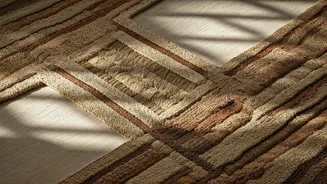
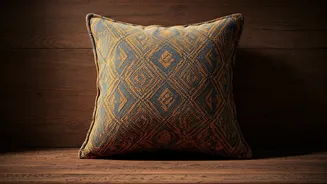
Embarking on your cushion-making journey begins with choosing the perfect Kuba cloth. For truly captivating results, seek out fabrics boasting bold, intricate
patterns and rich, saturated colors. These visual elements are key to infusing your cushions with personality and a distinct cultural flair. It's also crucial to assess the cloth's weight; aim for a material that's substantial enough to withstand daily use and maintain its form, yet pliable enough to be expertly shaped into plush cushion forms. Don't shy away from combining different patterns; this can create a dynamic and visually engaging aesthetic for your handmade decor pieces, adding depth and character that single patterns might not achieve alone. A thoughtful selection at this initial stage sets the foundation for a beautiful and long-lasting final product.
Fabric Preparation Essentials
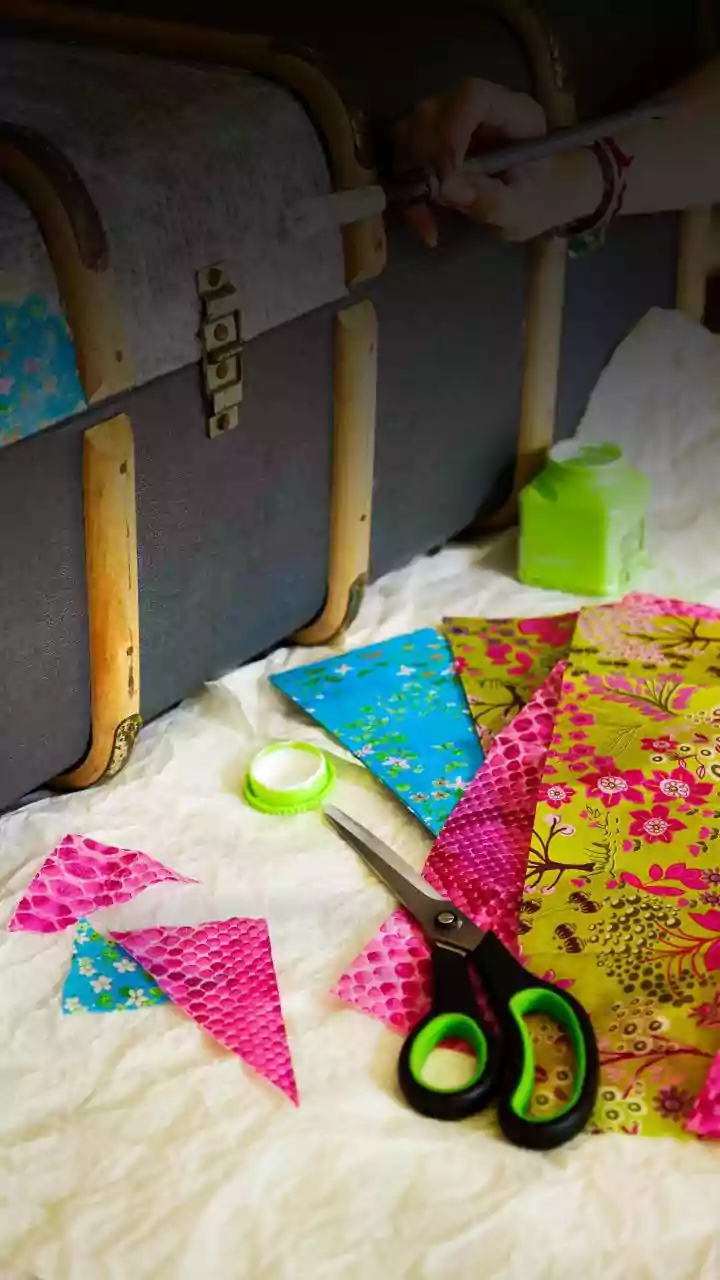
Before a single stitch is made, proper preparation of your Kuba cloth is paramount for successful sewing and a refined finish. It's advisable to gently wash the fabric using cold water and a mild detergent. This initial rinse effectively removes any residual sizing or impurities from the manufacturing process. Moreover, this washing step serves to soften the textile, making it significantly more manageable and easier to handle during the cutting and sewing phases. After washing, allow the fabric to air dry completely; avoid using heat which could potentially alter the texture or colors. Once fully dry, you can proceed to cut the fabric into the precise dimensions and shapes required for your cushion designs.
Designing Your Cushions
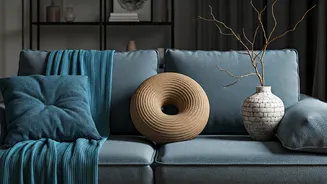
The design phase is where your creativity truly shines, blending aesthetic appeal with practical considerations. Start by determining the ideal dimensions and shapes for your cushions, taking into account their intended placement within your living space. While traditional square and rectangular forms are always popular and functional, consider experimenting with round or even more unconventional, irregular shapes to introduce an element of surprise and artistic expression. Think strategically about how the diverse patterns within your chosen Kuba cloths can interact; consider placing contrasting or complementary designs adjacent to each other to create a harmonious yet visually striking composition. This thoughtful arrangement of patterns can elevate your cushions from simple soft furnishings to true statement pieces that reflect your unique style and taste.
Durable Sewing Techniques
To ensure your beautiful Kuba cloth cushions stand the test of time and regular use, employing robust sewing techniques is essential. Utilize a strong, heavy-duty needle paired with equally durable thread, specifically chosen to handle the thickness of the fabric without frequent snapping or tearing. For enhanced longevity and structural integrity, reinforce all seams by double stitching them, particularly along the edges that are likely to experience the most stress and wear over time. After each seam has been sewn, pressing it flat with an iron will not only create a cleaner, more professional appearance but also contribute to the overall resilience of the cushion's construction. These careful stitching methods guarantee that your handmade cushions remain a cherished part of your decor for years to come.
Elevating with Finishing Touches
The final flourishes you add can dramatically transform your Kuba cloth cushions, turning them from mere functional items into exquisite decorative accents. Consider embellishing the edges with decorative elements such as playful tassels or elegant piping. These additions can inject a significant dose of personality and visual interest, provided they don't hinder the cushion's primary function or comfort. If you plan for the cushion covers to be removable for easier cleaning, ensure that any zippers or buttons are affixed securely and robustly. A well-executed finishing touch not only enhances the aesthetic appeal but also adds a layer of practicality, making your handmade cushions both beautiful and easy to maintain.