







Summer Skin Sensitivities Explained
The sweltering heat of summer can be a major trigger for skin discomfort, leading to persistent itching and irritating rashes for many. This heightened
sensitivity is largely due to the physiological changes that occur when temperatures rise. Increased sweating, coupled with greater oil production, creates an environment ripe for irritation, especially when combined with friction from clothing. This can lead to sweat becoming trapped, mixing with skin's natural bacteria, and subsequently causing inflamed patches and redness. Individuals prone to conditions like eczema, allergies, or generally sensitive skin often find their symptoms exacerbated during these months. Furthermore, environmental factors such as elevated levels of air pollution and prolonged exposure to the sun's rays can further compromise the skin's natural protective layer, contributing to dryness and inflammation. While the urge to scratch might provide temporary relief, it often exacerbates the issue, potentially leading to minor abrasions or even infections, creating a cycle of discomfort that is crucial to break.
Why Summer Irritates Skin
During the hot summer months, your skin undergoes significant changes that can lead to itching and discomfort. The primary culprit is increased perspiration. As your sweat glands work overtime to cool your body, excessive sweat can accumulate and clog pores. This blockage often manifests as prickly heat, a condition medically termed miliaria, characterized by small, red bumps. Beyond sweat, other factors contribute to skin vulnerability. Dehydration, for instance, can diminish the skin's ability to retain moisture and function optimally. The use of harsh soaps, which strip away natural protective oils, and prolonged exposure to the sun without adequate protection, further weaken the skin's natural barrier. This compromised barrier becomes more susceptible to external irritants, leading to increased reactivity and that bothersome itchy sensation.
Gentle Cleansing Practices
To keep your skin calm and comfortable throughout the summer, adopting a gentle cleansing routine is paramount. It's essential to select body washes that are mild and free from fragrances. Harsh soaps can strip the skin of its essential natural oils, which are vital for maintaining a healthy moisture balance and a robust barrier function. When you shower, opt for lukewarm water instead of excessively hot water. Very hot water can further dehydrate your skin, exacerbating dryness and irritation. By choosing gentle cleansers and moderating water temperature, you can effectively clean your skin without compromising its natural defenses, paving the way for a more comfortable and less itchy summer experience.
Sustaining Skin Hydration
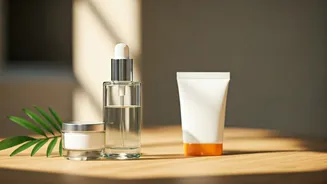
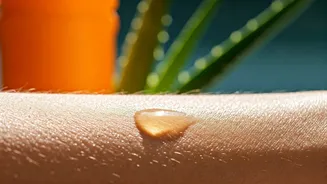
Maintaining optimal skin hydration is a cornerstone of managing itchiness during the summer. After bathing, it's crucial to apply a light, non-greasy moisturizer while your skin is still slightly damp. This technique helps to 'lock in' moisture, significantly enhancing the effectiveness of the product. Look for moisturizers that contain beneficial ingredients such as glycerin, which acts as a humectant to draw moisture to the skin; aloe vera, known for its soothing and anti-inflammatory properties; and ceramides, which are essential lipids that help to repair and strengthen the skin's natural barrier. By consistently applying a suitable moisturizer, you can effectively replenish lost moisture, support the skin's repair mechanisms, and maintain a comfortable, balanced complexion even in challenging summer conditions.
Choosing Breathable Apparel
The clothing you wear plays a significant role in managing summer skin discomfort. It's highly recommended to opt for loose-fitting garments made from breathable fabrics, with cotton being an excellent choice. These materials allow for better air circulation against your skin, which helps to keep sweat from accumulating and evaporating efficiently. In contrast, tight-fitting clothes, especially those made from synthetic materials, can trap heat and moisture. This trapped environment creates friction against the skin, increasing the likelihood of developing uncomfortable rashes and exacerbating existing itchiness. By prioritizing loose, breathable clothing, you can minimize irritation and create a more comfortable microclimate for your skin throughout the day.
Sun Exposure Precautions
While enjoying the summer sun is a highlight of the season, excessive exposure can unfortunately trigger inflammation and intensify skin itchiness. To mitigate these risks, it is imperative to adopt protective measures. Always use a broad-spectrum sunscreen with an appropriate Sun Protection Factor (SPF) before venturing outdoors. Remember to reapply sunscreen regularly, particularly if you are spending extended periods outside, swimming, or sweating profusely. Limiting direct sun exposure during peak hours, typically between 10 AM and 4 PM, can also significantly reduce the adverse effects on your skin. By diligently protecting your skin from the sun's harmful rays, you can prevent flare-ups and maintain a more comfortable, less irritated complexion.
Internal Hydration Boost
Beyond topical applications, staying well-hydrated from the inside out is crucial for combating summer skin issues. Adequate water intake plays a vital role in maintaining your body's overall hydration levels, which directly influences your skin's moisture content and its ability to regulate temperature effectively. When you are sufficiently hydrated, your skin is better equipped to function as a protective barrier. Additionally, reducing your consumption of caffeinated and sugary beverages can be beneficial. These types of drinks can sometimes contribute to dehydration, counteracting the benefits of your water intake. Prioritizing water and moderating other beverages helps ensure your skin remains supple and resilient against the summer heat.
Resisting the Scratch
The urge to scratch an itchy area can be almost irresistible, offering a fleeting moment of relief. However, this common reaction often worsens the problem, potentially leading to further irritation, damage to the skin barrier, and even introducing infections. Instead of scratching, a more beneficial approach is to apply a cold compress to the affected area. The coolness can help to numb the itch signals and provide a soothing sensation without causing harm. For persistent or spreading rashes, or if the itching becomes unbearable, it's important to seek professional advice. A healthcare provider can assess the situation and recommend appropriate treatments to address the underlying cause of the discomfort.
Seeking Professional Help
While many summer skin irritations can be managed with at-home care, there are instances when professional medical advice is necessary. If you experience severe itching that significantly disrupts your daily life, or if it's accompanied by other concerning symptoms like swelling, the presence of pus, or a fever, it's time to consult a dermatologist. These signs could indicate a more serious underlying condition that requires specific medical treatment. Conditions such as fungal infections or the exacerbation of eczema may need targeted therapies that go beyond general skincare practices. Early consultation ensures that any potential issues are addressed promptly, preventing complications and promoting faster recovery.