





Bhogi's Core Purpose
Bhogi 2026, a significant prelude to Pongal, embodies renewal, thankfulness, and change. The day is observed with unique rituals and at particular times,
representing the act of releasing the past and welcoming optimism. This festival is more than just a day; it is a way of life, filled with traditions that strengthen the spirit. Bhogi is the start of the harvest season, a moment to discard what is old and welcome the new. It's a preparation for the auspicious Sankranti and Pongal days, marking a transition into a period of prosperity and joy. It is a time for reflection, preparation, and celebration as communities get ready to embrace the promise of a fresh start. This day represents the significance of letting go and looking forward to the future.
Auspicious Timing Insights
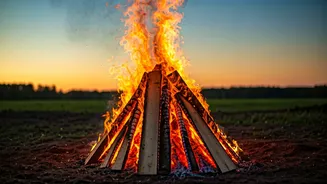
Unlike temple rituals, Bhogi doesn't depend on a strict muhurat, though certain times are traditionally regarded as favorable. The most auspicious time to observe Bhogi is in the early morning, before sunrise, when the air is fresh and the day's energy is at its peak. This is when the Bhogi Mantalu, or bonfire, is lit, an integral part of the celebration that symbolizes burning away the old and negative energies. In the early morning hours, homes are decorated with vibrant Rangoli and Kolam designs. During the daytime, the focus shifts to family rituals, the preparation of sweets, and ceremonies for children, creating a sense of togetherness and festive cheer. All these timings are followed in accordance with the Panchang tradition, where each day begins and ends with sunrise, aligning the celebrations with the natural rhythm of the day and its energies.
Specific Dates Revealed
In the year 2026, Bhogi will be observed on Tuesday, January 13th. The celebrations will be followed by Makar Sankranti/Thai Pongal on Wednesday, January 14th. The Sankranti moment, the precise time when the sun enters the zodiac sign of Capricorn, is expected around 03:13 PM IST on January 14, 2026. Bhogi is always celebrated the day before Makar Sankranti, during the last phase of the Tamil month of Margazhi. This timing ensures that the celebrations are in sync with the celestial events and the agricultural cycle, making it a unique and spiritually rich festival. These dates are crucial for planning and taking part in the Bhogi celebrations, including the bonfire, home decorations, family rituals, and the preparation of sweets.