




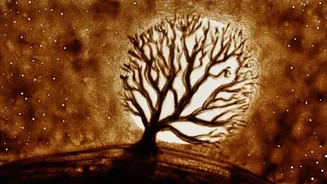

What is Sand Drawing?
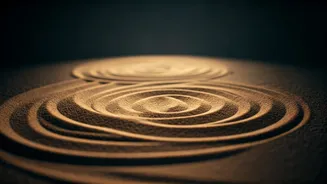
Drawing with sand is an age-old artistic practice originating from various African cultures, celebrated for its elegant simplicity and deep meaning. This
method involves employing fingers or simple sticks to etch elaborate designs onto a flat ground surface. Far beyond mere visual expression, sand drawing serves as a conduit to cultural heritage and traditional narratives. Its beauty lies in its accessibility; requiring minimal tools and space, it's an open invitation to anyone eager to explore their creative spirit using the earth's natural elements. The process encourages mindfulness and a tactile connection with the environment, transforming ordinary sand into a canvas for imagination and cultural storytelling.
Getting Started Easily
Embarking on your sand drawing journey requires little more than a smooth, level area covered in fine sand. The most appealing aspect of this art is its unpretentious nature – no specialized equipment is necessary, just your own hands or a found stick. The essence of success in sand drawing lies in cultivating patience and achieving a degree of precision as you form your patterns. A recommended approach for newcomers is to commence with fundamental geometric shapes. As your comfort and skill level grow, you can then confidently transition to constructing more intricate and complex designs, progressively building your artistic repertoire and confidence with each stroke.
Cultural Significance Explored
Sand drawing is imbued with profound cultural weight across numerous African societies, often functioning as a powerful medium for oral storytelling and conveying vital messages during significant communal gatherings and ceremonies. The designs meticulously etched into the sand can encapsulate diverse facets of life, historical accounts, or spiritual beliefs central to the community's identity. Acknowledging and understanding this rich cultural backdrop significantly enhances one's appreciation for sand drawing, revealing it not just as an artistic practice but as a living link to ancestral wisdom and a vibrant component of cultural continuity.
Mastering Techniques and Tools
Achieving proficiency in sand drawing involves developing a nuanced understanding of how to effectively manipulate the sand medium. Practitioners often employ rhythmic, repetitive movements and a keen sense of symmetry to generate elaborate and mesmerizing patterns. Consistent and dedicated practice of these techniques is crucial for honing your abilities and improving your skill over time. Furthermore, observing seasoned sand artists at work can offer invaluable insights and practical wisdom, illuminating advanced methods and techniques for achieving specific aesthetic effects and visual impact in your own creations.
Tips for New Artists
For individuals new to the art of sand drawing, starting with smaller, manageable projects is highly advisable. Concentrate on mastering basic shapes and forms before attempting larger, more ambitious compositions. The key to consistent improvement lies in regular and dedicated practice. Don't hesitate to experiment with different implements beyond your fingers, such as various types of sticks, reeds, or even improvised brushes made from natural materials. These explorations can unlock novel creative avenues and possibilities, enriching your approach to working with the pliable medium of sand and expanding your artistic horizons.