


Essential Ingredients and Prep
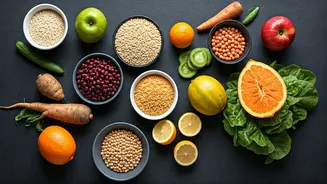
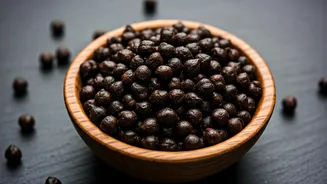
To create this sacred offering, you'll need 1 cup of kala chana (black chickpeas), which should first be thoroughly washed and then soaked overnight in ample
water for at least 8 to 10 hours. This crucial step ensures the chickpeas soften, leading to more even cooking. The next morning, drain and rinse the soaked chana. For cooking, you'll require approximately 3 to 3.5 cups of water, along with 1/2 teaspoon of salt to add during the pressure cooking phase. To build the flavorful base, gather 2 tablespoons of oil or ghee, 1/2 teaspoon of cumin seeds (jeera), 1 teaspoon of grated ginger, 2 to 3 slit green chilies (optional for prasad, keeping it mild is key), 1/2 teaspoon of turmeric powder (haldi), 1 teaspoon of coriander powder, and 1/2 teaspoon of red chili powder (again, keep this mild for Kanjak). Finally, a pinch of garam masala and salt to taste, along with freshly chopped coriander for garnish, will complete the ingredient list.
Step-by-Step Cooking Method
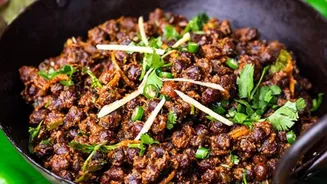
Begin the cooking process by placing the soaked and rinsed kala chana into a pressure cooker, adding 3.5 cups of water and 1/2 teaspoon of salt. Cook for about 7 whistles on a medium flame; this ensures the chickpeas are tender. While the chana is cooking, heat 2 tablespoons of oil or ghee in a separate pan over medium heat. Once the oil is warm, add the cumin seeds and let them splutter. Next, sauté the grated ginger and slit green chilies for about 30 seconds until fragrant. Incorporate the powdered spices – turmeric, coriander powder, and red chili powder – and sauté for another 30 seconds, being careful not to burn them. Now, carefully add the boiled chana along with some of its cooking water to the pan. Stir everything together well and let it simmer for approximately 12 minutes, allowing the flavors to meld. Stir in the garam masala and continue to mix. Allow the mixture to cook for another 5 minutes, which will help reduce the liquid to a semi-dry gravy consistency. For the final touch, garnish generously with fresh chopped coriander and a bit more ginger.
Secrets to Perfect Chana
Achieving truly perfect Kala Chana for Kanjak hinges on a few key practices. Foremost is the overnight soaking; never skip this as it's vital for achieving that soft, thoroughly cooked texture. When preparing the prasad, always opt for mild spices. The essence of Kanjak prasad is purity and subtle flavors, so avoid making it overly spicy or oily. Ginger is not just for flavor; its inclusion aids digestion, making it a beneficial addition. For an authentic Kanjak preparation, it's traditional to avoid tomatoes and onions, adhering to a pure satvik preparation. Don't discard all the cooking water from the boiled chana; a portion of this 'stock' is invaluable for enhancing both the flavor and nutritional content of the dish. After cooking, cover the chana and let it rest for a while. This resting period allows the flavors to deepen and helps keep the chana moist. If possible, using ghee instead of oil lends a richer, purer quality that is particularly fitting for prasad.
Significance of Kala Chana
The preparation and offering of Kala Chana during Kanjak hold deep symbolic meaning, transcending its role as mere food. It represents a profound expression of gratitude and acknowledges the nurturing power inherent in the divine feminine. By presenting this dish, individuals demonstrate their respect for young girls, who are venerated as living embodiments of the Goddess. This act also invokes blessings for abundance, robust growth, and inner strength. Furthermore, the simplicity of the preparation serves as a humble reminder of the virtues of humility and purity essential during festive and spiritual rituals. While each household may have its unique, time-honored recipe passed down through generations, the underlying intention remains constant: to nourish with love and devotion, creating a spiritually significant and delicious prasad.