



Mastering Light Needs
Understanding the specific light requirements of your indoor plants is paramount for their survival and beauty. Not all greenery enjoys basking in direct
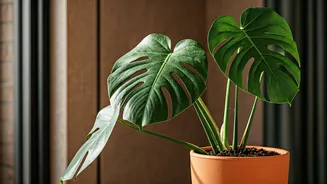
sunlight; some species flourish in dimmer environments. For instance, succulents and cacti typically crave bright, intense light to thrive, often needing a south-facing window. Conversely, plants like ferns and snake plants are content with indirect light, meaning they do well when placed away from direct sunbeams, perhaps in a room with diffused natural light. Misplacing your plants can lead to undesirable outcomes, such as legginess, where stems stretch out in search of light, or discoloration, with leaves turning yellow or brown. Therefore, paying close attention to your plant's individual preference for light intensity and duration will significantly contribute to its overall health and visual appeal, preventing stress and promoting robust growth.
Balancing Humidity Levels
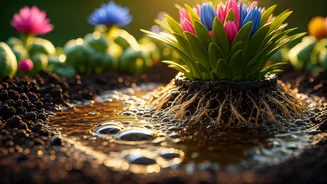
The amount of moisture in the air, or humidity, plays a surprisingly significant role in the well-being of many indoor plants, particularly those originating from tropical climates. These plants often require a more humid atmosphere than typically found in most homes, especially during dry winter months. To artificially boost humidity around your leafy friends, consider using a room humidifier to disperse moisture. A simpler, yet effective, method involves placing a shallow tray filled with water near the plant; as the water evaporates, it increases the humidity in the immediate vicinity. This simple practice can be a game-changer, preventing common issues like the browning of leaf edges, which is often a tell-tale sign of insufficient moisture in the air, ensuring your plants maintain their lush, green appearance.
Smart Watering Strategies
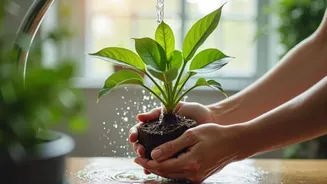
Overwatering is a frequent pitfall for many aspiring plant parents, often leading to detrimental conditions such as root rot, which can ultimately kill your plant. To avoid this common mistake, it's crucial to develop a mindful watering routine. Before reaching for the watering can, perform a simple soil check: insert your finger about an inch into the potting mix. If the soil feels dry at this depth, it's likely time to water. If it still feels moist, it's best to hold off. Furthermore, selecting pots that are equipped with drainage holes is a vital step in preventing waterlogged soil. These holes allow excess water to escape, ensuring that the plant's roots are not constantly sitting in stagnant moisture, which is essential for healthy root development and overall plant vigor.
Optimizing Soil Composition
The foundation for any thriving plant lies in the quality of its soil. For indoor plants, the ideal potting mix is one that facilitates excellent drainage and allows for sufficient aeration around the roots. This ensures that water doesn't accumulate and that roots can breathe. To enhance these essential properties, you can incorporate amendments like perlite, a lightweight volcanic glass that improves drainage and aeration, or vermiculite, which helps retain moisture while still allowing for air circulation. Understanding the specific needs of each plant species will guide you in selecting or creating the perfect soil blend, providing the optimal environment for robust root growth and ultimately, a healthier, more resilient plant.
Fertilizing Based on Needs
Just like humans, plants require nutrients to grow, but their feeding schedules vary significantly. The frequency and type of fertilization needed for your indoor plants depend heavily on their individual growth rates and the current season. Many plants benefit from monthly feeding during their active growing season, typically spring and summer. However, some species are less demanding and may only require fertilization every couple of months. It's also important to recognize dormancy periods, such as winter, when a plant's growth naturally slows down; during these times, reducing or ceasing fertilization is often recommended to prevent nutrient build-up and allow the plant to rest, ensuring a balanced approach to plant nutrition.