





A Diplomatic Meal
Australia's Deputy High Commissioner to India, Nick McCaffrey, recently brought a touch of international flair to a classic South Indian culinary discussion.
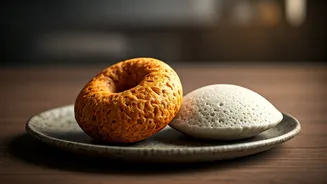
He shared an image on the social platform X, showcasing him savoring a traditional South Indian breakfast ensemble, complete with a serving of idli and medu vada, accompanied by an array of chutneys. His accompanying message, which expertly blended his professional role with a love for local cuisine, humorously addressed the long-standing debate over which of these two dishes reigns supreme. McCaffrey's post offered a diplomatic resolution, suggesting that the optimal approach for achieving 'lasting peace' was to indulge in both delicacies, highlighting the importance of the accompanying chutneys. This lighthearted take quickly garnered attention, resonating with a wide audience by skillfully merging the intricacies of diplomacy with the rich tapestry of India's gastronomic heritage, turning a simple meal into a cultural talking point.
Idli's Gentle Appeal
The humble idli stands as a pillar of South Indian breakfast culture, celebrated for its gentle, steamed preparation and remarkable ease of digestion. This makes it a favored option for individuals prioritizing a health-conscious, lighter start to their day, offering a low-calorie profile. Its characteristic soft, airy texture and subtle, understated flavor profile allow it to harmonize beautifully with the robust notes of sambar and a diverse range of chutneys. This synergy transforms the idli into a comforting and indispensable component of meals in countless households across the region, embodying a sense of familiarity and wholesomeness that has endured through generations. Its simple elegance and digestive benefits continue to make it a go-to choice for many seeking a wholesome and satisfying breakfast experience.
Medu Vada's Savory Crunch
In contrast to the idli's delicate nature, the medu vada presents a more robust and indulgent culinary experience. Crafted from urad dal, it offers a commendable source of protein and dietary fiber. However, its preparation involves deep-frying, which naturally increases its caloric content, potentially adding an estimated 120 to 150 calories purely from the absorption of cooking oil. What it may lack in lightness, the medu vada compensates for with its distinct textural appeal and pronounced flavor. It achieves a delightful crispness on the exterior while maintaining a tender interior, delivering a truly satisfying crunch with every bite. This makes it an enticing choice for those who appreciate a dish with more character and a richer mouthfeel, providing a delightful contrast to its steamed counterpart.
The Diplomat's Verdict
While individuals focused on physical fitness might gravitate towards the lighter idli, and those seeking a richer taste experience may opt for the medu vada, Deputy High Commissioner Nick McCaffrey's humorous perspective offers the most encompassing solution. His playful suggestion to 'eat both' transcends the traditional dichotomy, embodying a spirit of inclusivity and enjoyment. This diplomatic stance not only resolves the lighthearted debate but also celebrates the complementary nature of these beloved South Indian dishes. By advocating for the consumption of both idli and medu vada, McCaffrey highlights that the true joy of this culinary tradition lies in appreciating the unique qualities of each and enjoying them together, perhaps with an extra helping of chutney, further solidifying their place as cherished elements of South Indian cuisine.