






Minoxidil's Hidden Dangers
Minoxidil, a widely accessible ingredient found in many popular hair loss solutions, is generally considered safe for topical application. However, recent
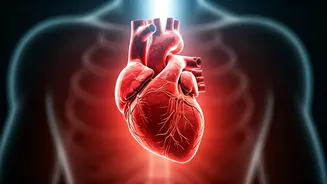
discussions and expert opinions highlight that this common remedy might not be as benign as it appears. A physiotherapist and nutritionist brought attention to a concerning case where an individual experienced severe chest pain after using a hair loss treatment containing Minoxidil, leading to hospitalization. This incident serves as a potent reminder that not all over-the-counter products are risk-free. The active compound, Minoxidil, is known to have vasodilating properties, meaning it can widen blood vessels. While this mechanism aids in improving blood flow to the hair follicles, potentially stimulating growth, it can also lead to a decrease in blood pressure. In some individuals, especially with prolonged or excessive use, a small amount of Minoxidil can be absorbed into the bloodstream, affecting the cardiovascular system. This systemic absorption is the primary pathway through which Minoxidil can manifest its more serious side effects, including the potential for chest discomfort or angina-like symptoms, and a noticeable drop in blood pressure.
Recognizing Adverse Reactions
While Minoxidil is a staple for many seeking to combat hair thinning, it's crucial to be aware of its potential adverse effects. When Minoxidil enters the bloodstream, it can trigger a cascade of cardiovascular symptoms. These may manifest as chest pain, a sensation often described as tightness or discomfort, and palpitations, where the heart feels like it's beating too fast or irregularly. Beyond these primary concerns, users might also experience dizziness, a direct consequence of reduced blood pressure. Swelling in the extremities, such as the hands and feet, can occur, indicating potential fluid retention. In more severe or rare instances, individuals might find themselves needing emergency medical attention due to intense chest discomfort or pronounced heart palpitations. The risks are amplified with long-term application or if the product is used without proper medical guidance, potentially leading to scalp irritation or even unwanted hair growth in areas where it's not intended. Therefore, adherence to recommended dosages and prompt consultation with a healthcare professional upon noticing any unusual symptoms are paramount for safe usage.
Immediate Steps for Chest Pain
Should you experience chest pain while using Minoxidil, immediate action is critical. The first and most important step is to discontinue the use of the hair loss treatment altogether. Following this, seek medical evaluation without delay. Healthcare professionals will prioritize assessing the cause of the chest pain to rule out more serious cardiac issues. This diagnostic process typically involves a comprehensive check of vital signs, including blood pressure and heart rate, and monitoring oxygen saturation levels. Essential tests like an electrocardiogram (ECG) to analyze the heart's electrical activity and blood tests to detect any biochemical markers of cardiac distress are usually performed. If Minoxidil is identified as the likely culprit, treatment will focus on alleviating the symptoms. Medications might be prescribed to regulate heart rate, mitigate palpitations, and stabilize blood pressure. For patients experiencing significant fluid retention or swelling, diuretics can be administered to help the body expel excess fluid. In cases of severe symptoms, a brief period of hospital monitoring might be necessary. Once the immediate health concerns are resolved, medical advice will generally include avoiding Minoxidil and exploring alternative hair loss solutions that are deemed safer for the individual.
Effective Minoxidil Alternatives
For those concerned about the risks associated with Minoxidil, a variety of alternative treatments are available to address hair loss effectively. Finasteride, an oral medication, stands out as a common choice. It works by targeting and reducing dihydrotestosterone (DHT), a hormone strongly implicated in male pattern baldness, thereby slowing down hair loss and encouraging regrowth. Another promising option is Platelet-Rich Plasma (PRP) therapy. This procedure involves processing a patient's own blood to concentrate platelets, which are then injected into the scalp to revitalize hair follicles and enhance hair thickness. Low-Level Laser Therapy (LLLT) is also frequently recommended by doctors; it's a non-invasive treatment that utilizes red light lasers to boost blood circulation to the scalp, promoting a healthier environment for hair growth. For more substantial hair loss, Hair Transplant Surgery offers a permanent solution by relocating hair follicles from denser areas to balding regions of the scalp. Additionally, treatments like microneedling, targeted nutritional supplements, and addressing any underlying medical conditions contributing to hair loss can also play a significant role in improving hair growth and scalp health.