




Ingredients for Authenticity
Crafting delightful sewai begins with a thoughtful selection of ingredients. You'll need approximately one cup of thin vermicelli, often referred to as
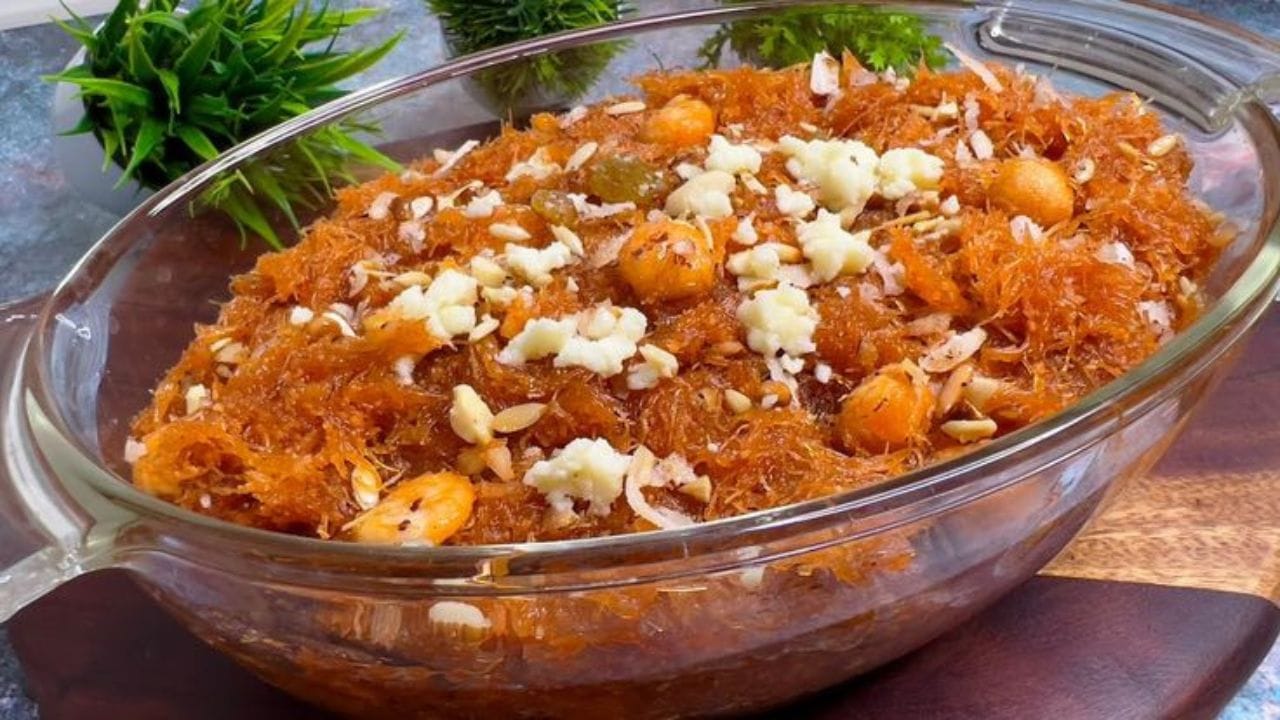
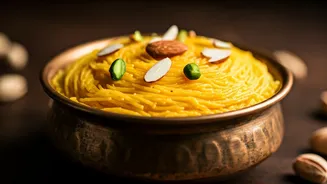
sewai, which forms the base of this beloved dessert. For a rich and creamy consistency, procure one litre of full-fat milk; its higher fat content contributes significantly to the final texture. Sweetness can be adjusted to your preference, but starting with four to five tablespoons of sugar is a good benchmark. To add a nuanced richness and prevent sticking, have about two tablespoons of ghee ready. Essential for flavour and texture are nuts: thinly sliced almonds and chopped cashews, around 8-10 of each, along with a tablespoon of raisins. Aromatic depth is achieved with three to four crushed green cardamom pods or half a teaspoon of cardamom powder. For an optional, yet traditional touch of luxury and colour, a few strands of saffron, perhaps 8-10, can be soaked. Finally, for a vibrant garnish, consider one to two tablespoons of chopped pistachios. Each component plays a crucial role in delivering that signature festive taste.
Roasting for Flavor
The journey to perfect sewai starts with its careful preparation. Begin by dry roasting the vermicelli (sewai) over low heat. This is a crucial step that develops a warm, nutty aroma and a beautiful, light golden hue. It's imperative to stir the sewai continuously to ensure even browning and prevent any part from burning. Proper roasting not only deepens the flavour but also prevents the strands from clumping together into an unappealing mass once they are cooked in the milk. This meticulous attention to the initial roasting phase lays the foundation for a smooth, delicious, and aesthetically pleasing dessert that truly honours its traditional roots. This subtle browning is key to unlocking the sewai's full potential.
Cooking for Creaminess
Once your sewai is perfectly roasted, the next vital step involves simmering it in milk to achieve a luxurious, creamy texture. It's best to use full-fat milk for this purpose, as it contributes significantly to the richness. Maintain a low flame throughout this process, stirring occasionally to ensure the sewai doesn't stick to the bottom of the pan. Patience here is key; allow the sewai to soften fully in the milk. After the vermicelli has softened, gradually incorporate the sugar. It's advisable to taste and adjust the sweetness at this stage, as adding sugar too early can sometimes interfere with the sewai's cooking and texture. The goal is a smooth, flowing consistency that isn't overly thick or sticky.
Enhancing with Ghee and Nuts
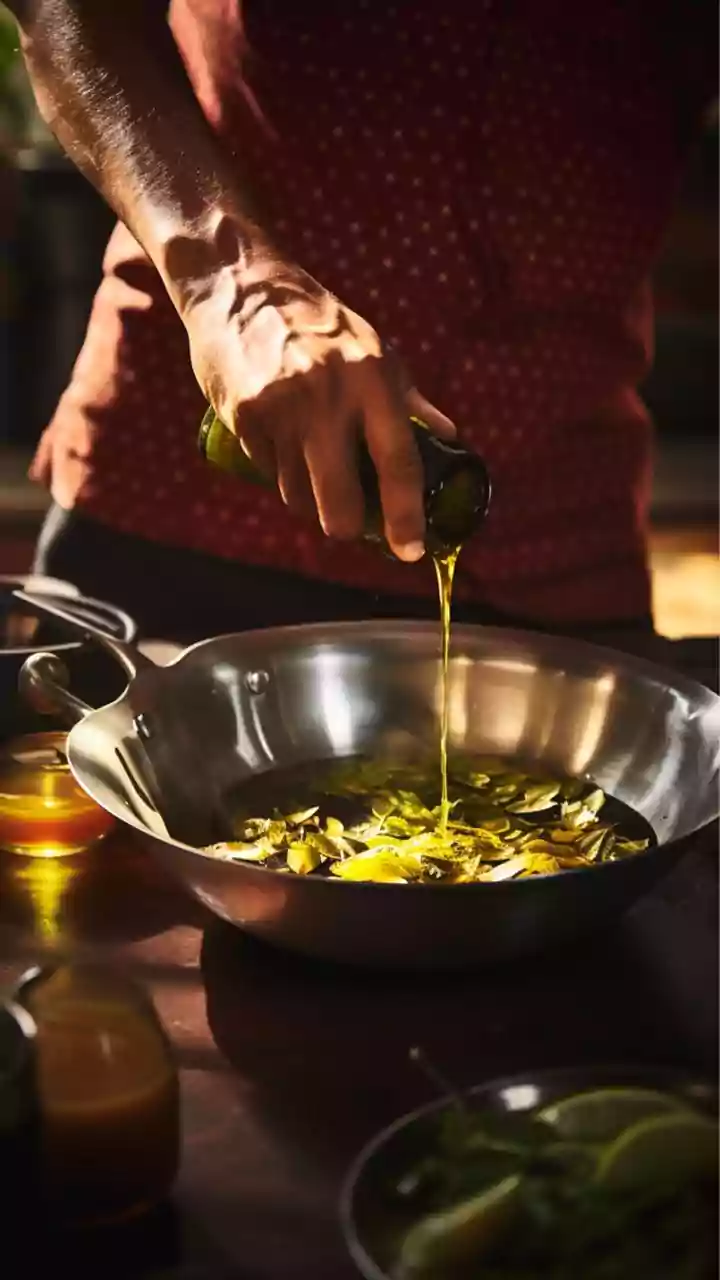
To elevate the flavour and visual appeal of your homemade sewai, lightly fry the prepared nuts and raisins in a tablespoon of ghee before adding them. This brief frying process enhances their taste and aroma, making them a more integral part of the dessert's profile. The ghee imparts a subtle richness, while the nuts gain a pleasant crispness. This step adds delightful texture and a visually appealing element to the final dish. Consider this an opportunity to infuse your sewai with layers of flavour, transforming it from a simple sweet into a truly celebratory confection. The combination of the creamy sewai base with these fragrant, fried elements creates a harmonious balance.
Aromatic Finishes
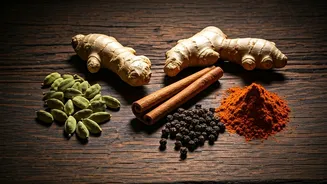
The final flourish for your Eid sewai comes from aromatic spices and optional saffron. A pinch of cardamom powder, or the fragrant essence from crushed green cardamom pods, lends a quintessential festive aroma that is deeply traditional. If using saffron, a few soaked strands will infuse the sewai with its distinctive colour and subtle, luxurious scent. It's important to use these flavourings with a light hand; the aim is to complement the sweetness and creaminess of the sewai, not to overpower it. This balanced approach ensures that the delicate flavours of the milk and vermicelli remain the stars, while the spices add a festive complexity that is both comforting and celebratory.