




Hydration is Key
Alcohol is a diuretic, which means it makes you urinate more, leading to dehydration. This dehydration contributes significantly to hangover headaches.
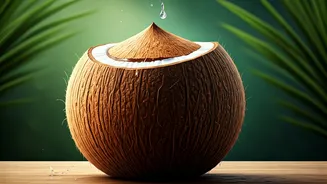
Rehydrating is therefore the first and most crucial step in recovery. Start by drinking plenty of water, ideally before going to sleep after drinking. Keep a glass of water on your bedside table to sip throughout the night. Consider incorporating electrolyte-rich drinks like sports beverages or coconut water. Electrolytes help replenish vital minerals lost due to alcohol's diuretic effect, aiding in faster recovery. Avoid sugary drinks as they can worsen dehydration. Consistent water intake is not just a quick fix but a sustained effort to restore your body's fluid balance.
Rest and Sleep
Your body's natural recovery processes are significantly enhanced during sleep, making it a critical component of hangover treatment. Alcohol disrupts sleep patterns, often leading to fragmented and less restful sleep. When you're hungover, the body needs ample rest to repair itself. Aim for a full night's sleep, even if you feel restless. Create a conducive sleep environment by ensuring your bedroom is dark, quiet, and cool. Avoid using electronic devices before bed, as their blue light can interfere with sleep. If possible, take a nap during the day. This simple act can significantly reduce headache severity and fatigue. Adequate rest allows your liver to process alcohol more effectively, speeding up the detoxification process.
Eat Nourishing Foods
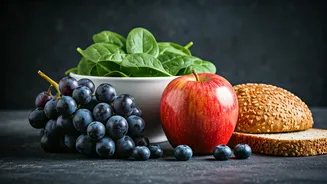
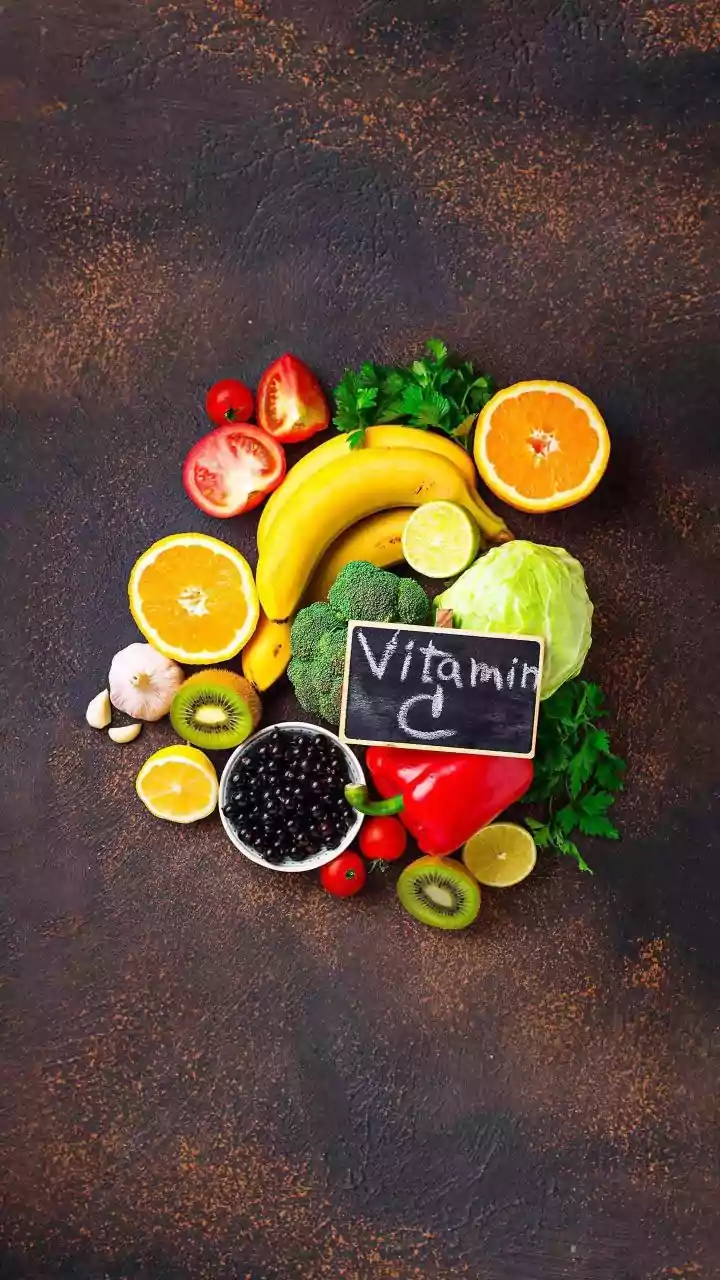
What you eat can significantly influence how you feel when hungover. Alcohol lowers blood sugar levels, contributing to headache, weakness, and irritability. Eating a balanced meal, preferably something easy to digest, is essential. Opt for foods rich in carbohydrates, such as toast or crackers, to help raise blood sugar. Proteins, like eggs or lean meats, provide essential amino acids that support the body's recovery. Avoid greasy and heavy foods, which can irritate your stomach and exacerbate nausea. Consider foods containing antioxidants, such as berries or fruits, to combat oxidative stress caused by alcohol. Eating small, regular meals instead of skipping meals can help stabilize blood sugar levels and alleviate hangover symptoms.
Pain Relief Options
Over-the-counter pain relievers can provide targeted relief for headache symptoms. However, it's crucial to choose the right type of medication. Avoid medications containing acetaminophen (paracetamol), as they can be hard on the liver, especially when combined with alcohol. Ibuprofen or aspirin can be effective in reducing inflammation and pain associated with a hangover. Always follow the recommended dosage instructions to avoid potential side effects. Take pain relievers with food to prevent stomach upset. If symptoms persist or worsen, consider consulting a healthcare professional to rule out other possible conditions or complications.
Ginger and Honey
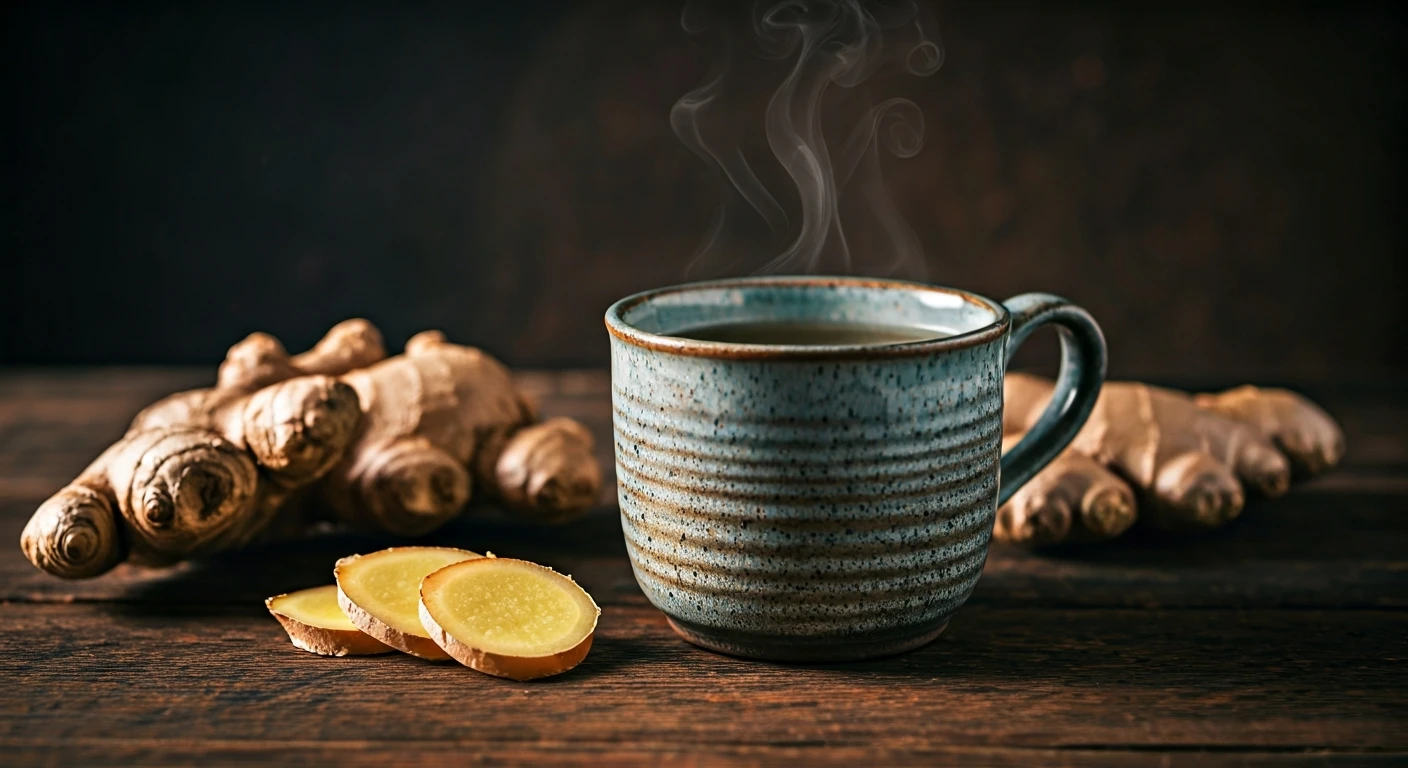
Ginger and honey are natural remedies known for their anti-inflammatory properties, offering relief from multiple hangover symptoms. Ginger is particularly effective at reducing nausea and upset stomachs, which often accompany hangovers. You can consume ginger in several forms: ginger tea, ginger ale, or even raw ginger slices. Honey, on the other hand, contains fructose, which helps speed up the metabolism of alcohol. Honey also has antioxidant properties that can help counter the negative effects of alcohol on the body. Mix honey with warm water or herbal tea to soothe an upset stomach and ease headaches. The combination of ginger and honey provides a gentle, yet effective, way to alleviate hangover symptoms.
Avoid More Alcohol
While it might seem counterintuitive, consuming more alcohol to 'cure' a hangover is generally not recommended. It can actually prolong and worsen hangover symptoms. The idea of 'hair of the dog' temporarily numbs the pain but only delays the inevitable recovery. Your body still needs time to process the alcohol already in your system. This approach only prolongs the suffering and can lead to increased alcohol dependence. Instead of trying to drink away the hangover, focus on hydration, rest, and supportive remedies. Allowing your body to naturally detoxify and recover will provide the most effective and sustainable relief.
Caffeine Caution
Caffeine can have mixed effects during a hangover. While it can temporarily alleviate headache symptoms, it also has diuretic properties that can worsen dehydration. If you choose to consume caffeine, do so cautiously. Drink caffeine in moderation, such as a small cup of coffee or tea. Balance caffeine intake with plenty of water to offset the diuretic effects. If you're sensitive to caffeine, it may worsen anxiety or sleep disruptions, potentially exacerbating hangover symptoms. Pay attention to how your body responds to caffeine during a hangover and adjust your intake accordingly. Consider decaffeinated options as an alternative to mitigate potential downsides.