




Container Selection
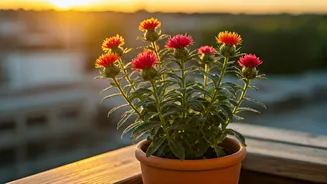
When embarking on the journey of growing safflower in containers, the first crucial step is selecting the ideal vessel. Opt for pots that measure at least
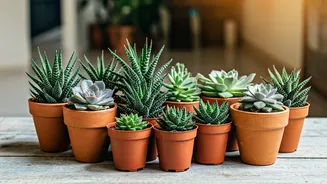
12 inches in both depth and width. This generous size is essential to accommodate the plant's root system, allowing it to develop robustly without becoming root-bound. Furthermore, ensure that your chosen container is equipped with adequate drainage holes. These openings are paramount for preventing waterlogged soil, a common culprit behind root rot and other detrimental plant ailments. Whether you lean towards the lightweight nature of plastic pots or the classic appeal of terracotta, the key lies in their ability to facilitate proper water outflow, promoting a healthier environment for your safflower to flourish.
Soil and Drainage
Establishing a strong foundation for your safflower begins with its growing medium. A well-draining potting mix is non-negotiable for ensuring healthy root development and preventing the dreaded soggy soil. To achieve this optimal blend, consider using a potting soil that incorporates components like peat moss or perlite. These additives significantly enhance aeration, allowing oxygen to reach the roots, and also improve moisture retention capabilities without causing water to stagnate. Before adding your soil mixture, place a layer of small stones or gravel at the bottom of the container. This sub-layer acts as an additional drainage aid, creating a buffer zone that effectively directs excess water away from the root ball and out through the container's drainage holes, safeguarding your plant from overhydration.
Watering Wisely
Mastering the art of watering is pivotal for cultivating thriving safflower in pots. The golden rule is to water your plants thoroughly whenever the top inch of the soil feels dry to the touch. It's imperative to strike a balance and avoid the temptation to overwater, as this can swiftly lead to root rot and compromise the plant's vitality. During periods of intense heat, you might find yourself needing to increase the frequency of your watering schedule to keep the soil consistently moist but not saturated. Always remember to check the soil moisture before each watering session, and be confident that any excess water has a clear path to escape the pot, ensuring the roots remain healthy and well-aerated.
Sunlight and Placement
Safflower plants are sun-worshippers and absolutely demand ample sunlight to reach their full potential. To ensure your potted safflower thrives, position its container in a location that receives a minimum of six hours of direct sunlight daily. Ideal spots often include south-facing balconies, patios, or windowsills that bask in consistent sunshine. Take the time to observe how sunlight moves across your available gardening spaces throughout the day. This observation will help you identify the prime locations that offer the most extended sun exposure. Adjusting the placement periodically might be necessary as the sun's angle changes with the seasons, guaranteeing your safflower gets the radiant energy it needs to produce vibrant blooms and healthy growth.
Feeding for Blooms
To encourage robust growth and a spectacular display of blossoms, a consistent feeding regimen is essential for your container-grown safflower. During the active growing season, which typically spans from spring through early autumn, administer a balanced liquid fertilizer every four weeks. It is crucial to dilute the fertilizer to half of its recommended strength before applying it. This gentle approach ensures that your plants receive the vital nutrients they need to develop strong stems and produce beautiful, colorful flowers without the risk of fertilizer burn. Regular fertilization at the right intervals will significantly contribute to the overall health and visual appeal of your safflower garden.