








The Quest for Stress Immunity
In our increasingly demanding world, the notion of a 'stress vaccine' has moved from imaginative fiction to serious scientific inquiry. This concept explores
the possibility of proactively training the body's response mechanisms, mirroring how vaccines equip our immune systems to combat infections. Although a direct biological inoculation against stress is not yet a reality, ongoing research is delving into how the intricate interplay of our brain, hormonal systems, and immune defenses can be modulated. Experts emphasize that 'stress' itself is often an internal reaction rather than an external pathogen, and building psychological immunity—the capacity to endure and rebound from pressure—is the current focus. This pursuit signifies a profound shift in understanding stress, moving beyond a mere psychological burden to a condition with tangible biological underpinnings that may be amenable to intervention.
Decoding Stress: Hormones and Brain
The body's reaction to stress is a sophisticated biological cascade, prominently featuring hormones like cortisol. While brief exposures to cortisol can be beneficial, prolonged elevation can lead to significant health detriments. This chronic state keeps the body on perpetual alert, impacting vital functions such as cardiovascular health, sleep patterns, blood sugar regulation, and even the efficacy of the immune system. Scientists are actively investigating methods to fine-tune this stress response. Promising avenues include examining the influence of beneficial gut bacteria on brain inflammation and stress sensitivity, as well as exploring ways to alter the behavior of stress hormones to prevent overreactions. These groundbreaking studies, predominantly conducted on animal models, are still in their nascent stages and have not yet yielded any approved human interventions or a 'stress vaccine' in the conventional sense. The aim is to potentially recalibrate the stress response system through immunological or neurochemical pathways, priming the body for more adaptive reactions rather than immediate, intense responses, much like how vaccines prepare the immune system.
Heart Health and Stress
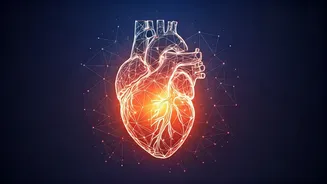
The impact of stress extends far beyond our mental state, exerting considerable influence on our physical well-being, particularly our cardiovascular system. When confronted with chronic stress, the sympathetic nervous system becomes hyperactive, leading to elevated heart rates and increased blood pressure. Over time, this persistent strain can contribute to the development of serious conditions like hypertension and coronary artery disease, and in severe cases, it can even precipitate acute cardiac events such as heart attacks. It's crucial to recognize that stress has quantifiable physiological effects, not just psychological ones. Elevated cortisol levels, systemic inflammation, and the adoption of unhealthy coping mechanisms—including poor dietary choices and insufficient sleep—exacerbate cardiovascular risks. This profound connection between stress and heart health underscores the compelling rationale behind the interest in developing strategies, akin to a 'stress vaccine,' to mitigate these risks and promote overall preventive health.
Cultivating Resilience: The Inner Vaccine
Even as scientific research progresses, experts widely agree that the most effective 'stress vaccine' currently available is our own resilience. The concept of 'stress inoculation,' pioneered by psychologist Donald Meichenbaum, suggests that gradually exposing oneself to controlled, manageable stressors can foster the development of robust coping mechanisms. This gradual desensitization strengthens our mental fortitude, enhancing our capacity to navigate more significant challenges in the future. This process is conceptually similar to biological vaccination, where minor, repeated exposures prepare the body for larger threats. The ultimate goal isn't to eradicate stress entirely, as moderate stress is essential for growth and performance; rather, it's about effectively managing chronic and unregulated stress. Key strategies for building this vital resilience include heightened self-awareness to identify triggers, cognitive reframing to perceive stressors as challenges, adopting healthy lifestyle habits like regular exercise and adequate sleep, practicing mindfulness and relaxation techniques, and nurturing strong social support networks. These everyday practices actively bolster the same physiological systems that scientific interventions aim to influence, making them our most potent tools today.
The Future of Stress Management
The ongoing exploration into a 'stress vaccine' signifies a broader paradigm shift in how we conceptualize mental health, viewing it not just as a psychological concern but also as a biological and preventive discipline. Future scientific advancements may offer novel therapies capable of reducing the long-term detrimental effects of unavoidable stress by modulating the body's biological responses. However, it is essential to underscore that these potential interventions are envisioned as supplementary to, rather than replacements for, fundamental lifestyle choices. Practices such as ensuring sufficient sleep, maintaining a balanced diet, and engaging in regular physical activity will consistently remain the cornerstones of resilience. Currently, the stress vaccine remains an evolving area of scientific investigation rather than an immediate clinical application. Nevertheless, it has successfully initiated a vital discourse emphasizing that resilience is cultivable, stress is manageable, and proactive engagement with mental well-being is achievable. The ultimate 'vaccine' against stress may well lie in the harmonious integration of mental fortitude and physical vitality, enabling individuals not merely to cope but to truly flourish.