
Ingredients: What You Need
The cornerstone of great idlis lies in the ingredients. You'll need urad dal (black gram), idli rice, and water. The quality of these ingredients significantly
impacts the final outcome. Opt for good-quality urad dal, as it directly influences the batter's fluffiness. Idli rice, known for its ability to absorb water, is crucial for the perfect texture. The water should be clean and filtered to avoid any impurities. The ratio of rice to dal can influence the outcome, commonly a 3:1 ratio is used. Some cooks add a small quantity of fenugreek seeds (methi) to the mix, to aid the fermentation process. The selection of these ingredients is the first step in creating a good idli batter.
Soaking the Essentials
The soaking stage is where the magic truly begins. Start by rinsing the urad dal and idli rice separately until the water runs clear. This removes any impurities that might affect the fermentation. Soak the urad dal and rice in separate bowls, using enough water to cover them generously. The water level should be a couple of inches above the ingredients, allowing them to expand fully. Ideally, soak the urad dal for 4-6 hours, and the rice for 6-8 hours or overnight. You can also add fenugreek seeds (methi) to the urad dal during soaking. This prolonged soaking softens the grains and begins the activation of natural enzymes, essential for the fermentation process. Ensure you choose the right containers; use bowls large enough to hold the ingredients once they have doubled in size after the soaking process.
Grinding to Perfection
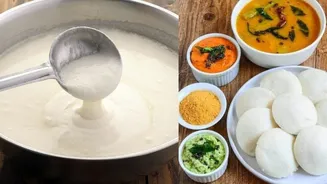
Next comes the grinding process, where you transform the soaked ingredients into a smooth batter. Grind the urad dal first, using a wet grinder or a high-speed blender. The goal is to achieve a fluffy and airy consistency. Add water gradually while grinding, ensuring the batter doesn't become too thin or watery. Once the urad dal is ground, transfer it to a large container. Grind the idli rice next, aiming for a slightly coarse texture. A slightly coarser rice batter gives the idlis a good structure. Add the ground rice to the urad dal batter. Avoid over-grinding, as this can affect the texture of the idlis. At this point, you can also add a pinch of salt. Mix both the batters together thoroughly, ensuring a uniform consistency, and the blending process is ready to begin.
Fermenting the Batter
Fermentation is key to the fluffiness and lightness of idlis. The batter needs a warm environment for the fermentation process to occur. In warm climates, you can keep the batter at room temperature, while colder regions might require a warmer spot, such as the oven with the light on. The fermentation time can vary, depending on the temperature and the quality of the ingredients, generally, it takes 8 to 12 hours. Look for the batter to rise and bubble, indicating that the fermentation process is successful. Avoid stirring the batter once it has fermented, as this can release the air pockets that give the idlis their fluffy texture. The more you ferment, the fluffier and the more sour the batter will taste. This sourness adds flavor and it is essential for the fermentation.
Steaming the Idlis
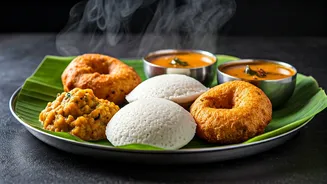
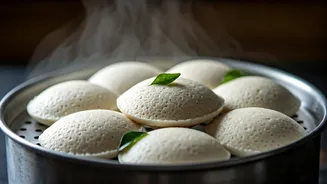
Once the batter has fermented, it's time to steam the idlis. Grease the idli molds with oil to prevent sticking. Pour the batter into the molds, filling them about three-quarters full. Don't overfill the molds, as the idlis will expand during steaming. Place the molds in an idli steamer or a pressure cooker without the whistle. Steam the idlis for about 8-10 minutes, or until they are cooked through. You can test for doneness by inserting a toothpick; it should come out clean. Remove the molds from the steamer and let them cool for a couple of minutes before removing the idlis. This prevents them from sticking to the molds. Serve the idlis hot with sambar and chutney for the perfect South Indian breakfast.