






Vitamin Powerhouses Compared
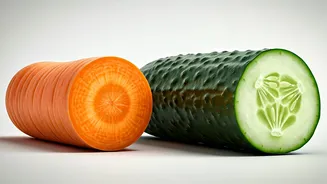
When it comes to essential vitamins, carrots and cucumbers offer distinct advantages. Carrots are celebrated for their abundant vitamin A, a crucial nutrient
vital for maintaining sharp vision and a robust immune system. A single serving of carrots can readily supply over 100% of your daily recommended intake of this vitamin. Cucumbers, while not as rich in vitamin A, excel in providing vitamin K, an important player in bone health and the body's ability to clot blood effectively. Therefore, while carrots are the go-to for vitamin A, cucumbers contribute significantly to vitamin K intake, showcasing their unique nutritional profiles.
Fiber and Hydration Facts
Fiber plays a pivotal role in maintaining a healthy digestive system and promoting satiety, making both carrots and cucumbers valuable additions to your meals. Carrots typically contain a higher fiber content, offering approximately two grams per serving, which is double that of cucumbers, which usually provide about one gram. This extra fiber in carrots aids digestion and can be instrumental in managing cholesterol levels. Conversely, cucumbers shine in their hydration capacity due to their exceptionally high water content, contributing significantly to your daily fluid intake, even though their fiber contribution is more modest.
Calorie Counts Revealed
For individuals mindful of their calorie intake, both carrots and cucumbers present excellent low-calorie options, suitable for weight management or simply maintaining a healthy diet. A typical serving of carrots contains around 41 calories, making it a relatively low-energy food. Cucumbers, however, are even more calorically sparse, offering only about 16 calories per serving. This significant difference positions cucumbers as a particularly attractive choice for those seeking to maximize volume and nutritional value while minimizing calorie consumption, without feeling deprived.
Antioxidant Benefits Explored
Antioxidants are the body's defense against cellular damage caused by free radicals. Carrots are a prime source of beta-carotene, a potent antioxidant that the body converts into vitamin A. This conversion process actively helps in reducing oxidative stress over the long term. Cucumbers also harbor beneficial antioxidants, including beta-carotene, though their levels are generally lower compared to carrots. Nevertheless, regular consumption of cucumbers as part of a balanced diet still contributes positively to overall well-being by bolstering the body's antioxidant defenses and supporting cellular health.