




Smart Plant Choices
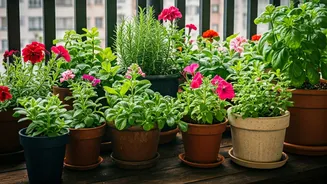
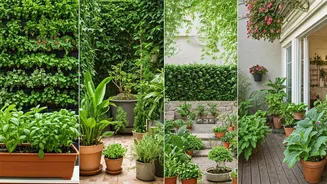
Selecting the right plant varieties is the foundational step towards a flourishing balcony garden. It's crucial to assess the unique conditions of your
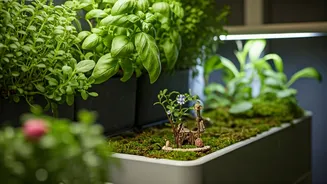
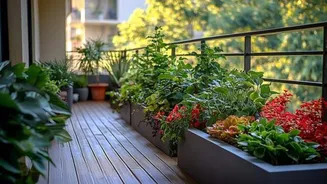
space, such as the amount of direct sunlight it receives throughout the day, the prevailing climate in your region, and the actual physical area you have to work with. For optimal success, focus on plants that are well-suited to container living. Excellent choices include an array of aromatic herbs, resilient succulents that require minimal care, and delightful small flowering plants that add bursts of color. By making informed decisions about which plants to introduce, you'll ensure your garden not only looks vibrant and appealing but is also remarkably easy to manage and maintain.
Consistent Watering
Establishing a consistent watering routine is absolutely vital for keeping your balcony plants in peak health. It's recommended to check the moisture level of the soil on a daily basis. This simple habit helps prevent the common pitfalls of both over-watering, which can lead to root rot, and under-watering, which can cause plants to wilt and struggle. For precise watering, a watering can with a narrow spout can be incredibly useful, allowing you to direct water exactly where it's needed. Alternatively, for ultimate convenience, especially if you have multiple plants or busy schedules, consider investing in a simple drip irrigation system. This ensures that each plant receives the right amount of hydration regularly, promoting consistent vitality and encouraging robust growth.
Regular Pruning & Deadheading
Engaging in regular pruning and deadheading practices plays a significant role in fostering vigorous growth and abundant flowering in your balcony garden. The act of regularly removing any withered or spent leaves and flowers is essential; it not only helps to prevent the potential spread of diseases but also stimulates the plant to produce new blooms, keeping your garden looking fresh and attractive. Furthermore, pruning plants as needed is crucial to maintain their size and desired shape, preventing them from becoming unwieldy or leggy. This disciplined approach ensures that your plants remain aesthetically pleasing and structurally sound, contributing to the overall beauty and manageability of your small-scale garden.
Appropriate Fertilization
Providing your balcony plants with the right nutrients through proper fertilization is paramount for them to thrive and flourish. The type of fertilizer you choose should align with the specific needs of your plants, considering their growth stage and type. Organic fertilizers are often an excellent choice for their gradual nutrient release, while slow-release granules can offer sustained feeding over time. It's generally advisable to fertilize your plants every few weeks, adhering to the particular requirements of each species. This careful approach ensures that your plants receive adequate nourishment to support healthy development without the risk of over-fertilizing, which can be detrimental to plant health.
Vigilant Pest Monitoring
Maintaining a vigilant watch for pests is a crucial aspect of ensuring the overall health and resilience of your balcony garden. It's important to make a habit of regularly inspecting the leaves of your plants for any tell-tale signs of common garden invaders, such as aphids or spider mites. Early detection is key; if you notice any signs of infestation, it's best to act quickly. Fortunately, there are effective natural remedies available, like neem oil or insecticidal soap. These solutions can be used to successfully eradicate pests without posing a threat to beneficial insects that might be present in your garden ecosystem, helping to maintain a balanced and healthy environment.