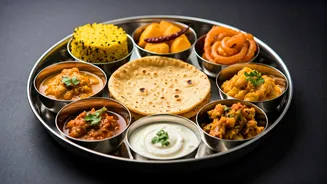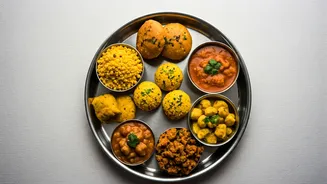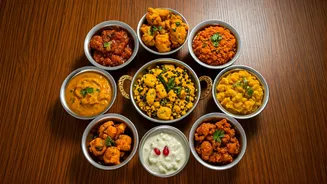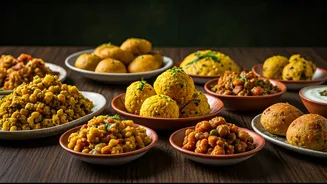

Dhokla: A Steamed Delight
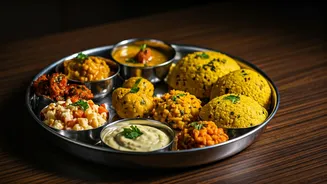
A cornerstone of Gujarati snacks, Dhokla is a light and airy steamed cake made from fermented batter, typically of rice and chickpea flour. It's seasoned
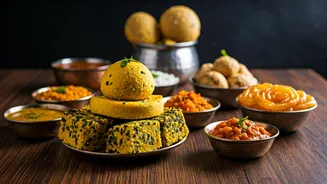
with mustard seeds, curry leaves, and green chilies, then often garnished with fresh coriander and grated coconut. The result is a subtly tangy and savory bite that is both satisfying and healthy. Its versatility allows it to be enjoyed at any time of day, from breakfast to an evening snack. The fermentation process not only enhances its flavor but also makes it easily digestible, adding to its appeal as a wholesome choice. The unique spongy texture is achieved through the steaming method, making it a delicate yet flavorful preparation. It's often served with a tangy tamarind chutney or a spicy green chutney, elevating its taste profile even further. Many variations exist, including Khaman Dhokla (made with just chickpea flour) and Rava Dhokla (using semolina), each offering a slightly different culinary experience but retaining the essence of Gujarati simplicity and taste.
Theth Gujarati Dal
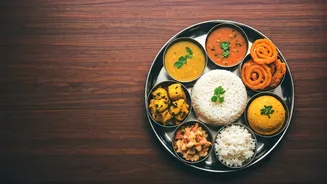
Gujarati Dal is a quintessential lentil preparation that perfectly balances sweet, sour, and spicy flavors. Cooked primarily with toor dal (pigeon peas), it's infused with a mix of spices, including turmeric, chili powder, and a unique touch of jaggery for sweetness and tamarind for tanginess. This dal is often tempered with mustard seeds, cumin, curry leaves, and asafoetida, creating an aromatic and flavorful dish. It's typically served hot with rice or rotla (a type of millet flatbread), making it a staple in Gujarati households. The careful balancing of these contrasting flavors is what makes Gujarati Dal so distinctive and beloved. It’s a comforting and nutritious meal, rich in protein and fiber, embodying the wholesome nature of the region's cuisine. The addition of vegetables like drumsticks or gourds is also common, adding extra nutritional value and texture to this beloved lentil preparation.
Khandvi: Delicate Rolls
Khandvi is an exquisite snack that showcases the finesse of Gujarati culinary artistry. These thin, rolled sheets are made from a batter of gram flour (besan) and yogurt, which is cooked until thick and then spread thinly. Once cooled, the sheets are rolled up and seasoned with a tempering of mustard seeds, sesame seeds, curry leaves, and sometimes grated coconut. The texture is smooth and melt-in-your-mouth, with a subtle, savory flavor profile. Khandvi is a testament to how simple ingredients can be transformed into something truly elegant. It's a low-fat option, making it a popular choice for health-conscious individuals. The preparation requires patience and precision to achieve the delicate, layered rolls that are so characteristic of this dish. Often served with a sprinkle of fresh cilantro, it's a visually appealing and remarkably tasty treat that offers a unique culinary experience distinct from other Indian snacks.
Thepla: Versatile Flatbread
Thepla is a popular paratha-like flatbread from Gujarat, cherished for its versatility and long shelf life, making it ideal for travel. It's prepared using a dough of whole wheat flour (atta), gram flour (besan), and fenugreek leaves (methi), seasoned with ginger, garlic, green chilies, and various spices like turmeric and cumin. The addition of yogurt and oil to the dough contributes to its softness and flavor. Theplas can be enjoyed plain, with a dollop of yogurt, or paired with pickles and chutneys. Their mildly spiced and slightly sweet taste makes them a delightful accompaniment to various meals or a satisfying snack on their own. The inclusion of fresh methi leaves imparts a distinct aroma and a healthy dose of nutrients. This everyday staple is a representation of Gujarati home cooking, offering a delicious and portable way to enjoy wholesome flavors.
Undhiyu: Winter Vegetable Medley
Undhiyu is a truly special Gujarati dish, traditionally prepared during the winter months, celebrated for its complex layering of flavors and textures. This mixed vegetable casserole is slow-cooked underground in a clay pot (matlu) sealed with dough, allowing the vegetables and spices to meld perfectly. It typically includes a variety of seasonal vegetables like suran (yam), sweet potatoes, raw banana, brinjal (eggplant), and peas, mixed with a fragrant paste of fenugreek leaves, coconut, and spices. The unique cooking method imbues the dish with an earthy aroma and a deep, rich flavor profile that is both savory and slightly sweet. Often enhanced with muthiyas (steamed dumplings made of gram flour and fenugreek), Undhiyu is a hearty and nutritious feast, embodying the agricultural bounty of Gujarat and its innovative culinary traditions. It's a celebration of regional produce and time-honored cooking techniques.
Fafda: Crispy Lentil Snack
Fafda is a beloved crispy and crunchy snack from Gujarat, made from a dough of gram flour (besan) and carom seeds (ajwain). The dough is thinly rolled and then cut into long, rectangular strips before being deep-fried to a perfect golden crispness. Fafda is often enjoyed with a side of spicy papaya chutney or a tangy tamarind chutney, creating a delightful contrast in flavors and textures. Its savory taste and addictive crunch make it a popular choice for breakfast or as an anytime snack. The simplicity of its preparation belies its delicious appeal, and it's a testament to how basic ingredients can create such a satisfying treat. Often paired with Jalebi, creating a popular breakfast combination, Fafda represents the more robust and savory side of Gujarati snacking, offering a delightful textural experience.
Gota: Fenugreek Fritters
Gota, also known as Methi na Gota, are savory fritters made from a batter of gram flour (besan) and fresh fenugreek leaves (methi). The finely chopped fenugreek leaves are mixed into the besan batter along with spices like turmeric, chili powder, and carom seeds, and sometimes a pinch of baking soda to ensure a fluffy texture. These are then deep-fried until golden brown and crispy. Gota are typically served hot as a tea-time snack or as a side dish, often accompanied by green chutney or ketchup. They offer a delightful balance of slightly bitter fenugreek and the savory, spiced batter, creating a comforting and flavorful bite. The crisp exterior gives way to a soft, flavorful interior, making them a popular choice for those who enjoy a heartier snack. They are a delicious way to incorporate the health benefits of fenugreek into a tasty treat.
Dal Baati: A Hearty Combination
While often associated with Rajasthan, Dal Baati has also found a cherished place in Gujarati cuisine, particularly in certain regions. This dish consists of two main components: 'Dal' and 'Baati'. The dal is a flavorful lentil preparation, often a mixed dal or a spicy chana dal (split chickpeas), rich in spices and tempered with ghee and aromatics. The 'Baati' are hard, baked or roasted wheat flour rolls, which are typically broken into pieces and dipped generously in ghee before being served with the dal. This combination is incredibly hearty and filling, offering a robust and earthy flavor profile. The chewy texture of the baati complements the soft, spiced dal perfectly. It's a dish that signifies comfort and sustenance, often enjoyed during festive occasions or family gatherings, showcasing the adaptability and rich culinary influences within Gujarat.
Mohanthal: Sweet Gram Flour Fudge
Mohanthal is a rich and decadent Gujarati sweet, a type of fudge made primarily from gram flour (besan) and ghee. The besan is roasted in ghee until it develops a nutty aroma and a golden-brown hue. This is then mixed with a sugar syrup and flavored with cardamom, saffron, and sometimes chopped nuts like pistachios or almonds. The mixture is spread into a greased tray and allowed to set before being cut into squares or diamond shapes. Mohanthal is characterized by its dense, crumbly yet melt-in-your-mouth texture and its intensely sweet, buttery, and nutty flavor. It's a festive sweet, often prepared for special occasions and celebrations, symbolizing prosperity and joy. Its preparation requires careful attention to the roasting of besan and the consistency of the sugar syrup to achieve the perfect texture and taste.