



Pongal's Festive Spirit
Pongal, a cherished festival primarily observed in South India, specifically Tamil Nadu, serves as a jubilant ode to the Sun God. Celebrated over four
days, Pongal marks the commencement of the Uttarayan, the sun's northward journey, which signifies the onset of the harvest season. Central to the festival's essence is the expression of gratitude for a bountiful harvest, paying homage to nature's vital contributions, including the sun, earth, and cattle. The celebrations extend beyond mere rituals; they are a vibrant display of community spirit, exemplified by the gathering of families and friends to partake in elaborate feasts and joyous festivities. The air is filled with the aroma of freshly cooked Pongal, a sweet dish made from rice, lentils, and jaggery, and the atmosphere resonates with the melodies of traditional music and dance, fostering a sense of togetherness and communal harmony. The significance of Pongal lies not only in its agricultural roots but also in its profound cultural values, reinforcing the bonds of family and community while celebrating nature's blessings.
Culinary Delights Unveiled
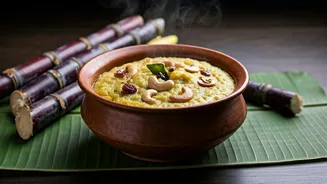
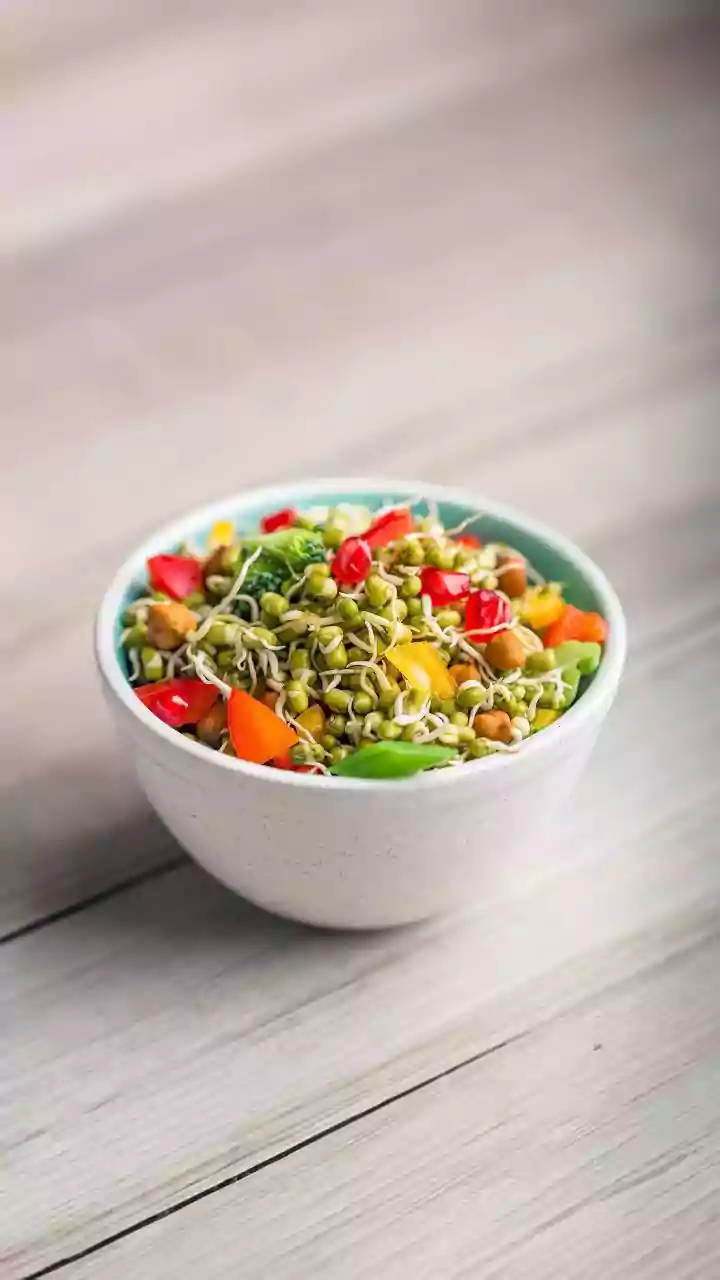
The culinary traditions of Pongal are rich, colorful, and symbolic. The heart of the festival's feast is 'Pongal,' the dish that lends its name to the celebration itself. It is a sweet porridge made with newly harvested rice, lentils, and jaggery, symbolizing prosperity and abundance. The preparation of Pongal is a ritual in itself, often cooked in a new clay pot, using freshly drawn water. As the rice boils over, the joyous shouts of 'Pongalo Pongal!' ring out, expressing the wish for abundance in the year ahead. Aside from Pongal, the festive menu typically includes a variety of other delicious dishes. Savory dishes such as vada, sambar, and different types of rice preparations like tamarind rice and curd rice are common. These dishes reflect the diverse flavors and culinary heritage of South India, bringing a sense of satisfaction to everyone involved in the celebration. This elaborate spread demonstrates the festive culture and celebrates the blessings of the harvest season.
Rituals and Traditions
Pongal is deeply steeped in rituals and traditions that embody the festival's spiritual essence. The celebrations begin with 'Bhogi Pongal,' which involves discarding old belongings to welcome new beginnings, followed by 'Thai Pongal,' where the Pongal dish is prepared. During the 'Mattu Pongal,' cattle are honored, as they play an integral role in agriculture. The final day, 'Kaanum Pongal,' is a day of community gatherings and is an opportunity to express gratitude. Decorating homes with colorful kolam designs, made of rice flour, is a common practice, welcoming the new year and setting a positive tone for the festivities. Families often visit temples to offer prayers and seek blessings for a prosperous year ahead. This confluence of rituals, prayers, and community involvement transforms Pongal into an experience that connects people to their culture, history, and the natural world, all while reinforcing a sense of collective identity.
A Community Celebration
The essence of Pongal is significantly reflected in community gatherings and unity. The festival provides a platform for families to bond, friends to reunite, and communities to come together in collective joy. Villages and towns witness vibrant processions, traditional music, and dance performances that embody the festive spirit. Cultural activities such as bull-taming (Jallikattu) and various sporting events are often organized, showcasing the strength, skill, and cultural heritage of the community. Pongal is an occasion to set aside differences and share the joy of the harvest with everyone. The elaborate feasts prepared and shared by families and neighbors, along with the act of exchanging gifts, embody the spirit of generosity and mutual respect. This sense of togetherness reinforces the core values of cooperation, harmony, and shared prosperity, making Pongal a truly unifying and memorable experience for all who take part.