






Know Your Craft's Worth
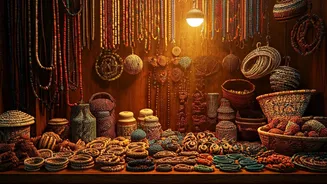
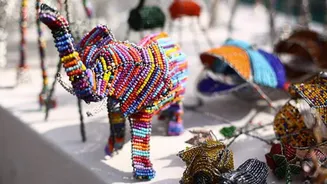
Before engaging in any negotiation for African crafts, it's crucial to establish a clear understanding of the item's inherent value. This involves more
than just a glance; delve into the materials used, the complexity of the craftsmanship involved, and the sheer amount of time the artisan dedicated to its creation. Researching similar pieces in the market or seeking local insights into typical pricing can provide a solid baseline. Armed with this knowledge, you can approach the bargaining process with confidence, making an offer that is both reasonable for you and respectful of the artisan's labor and skill, ensuring you don't undervalue their significant effort.
Forge Connections with Makers
Building a genuine connection with the artisans themselves can significantly improve your bartering experience. Take the initiative to engage them in conversation about their work, inquiring about the cultural significance of their craft and the intricate methods they employ in its creation. Demonstrating sincere interest in their artistry fosters a bond, which often translates into a more amiable negotiation and potentially more favorable terms. Artisans tend to be more receptive to discussing prices and terms with individuals who show genuine respect for their heritage and the dedication poured into their creations.
Initiate with a Fair Price
When the time comes to make an offer, begin with a price that reflects a balance between your financial capacity and the assessed value of the craft. It is vital to avoid proposing a price that is too low, as this could be perceived as disrespectful or may even lead the artisan to dismiss your offer entirely. A well-considered, fair starting bid creates a positive foundation for further discussion and negotiation, signaling that you appreciate the skill and effort invested in the piece. This approach opens the door for a mutually agreeable outcome.
Be Ready to Concede
A powerful negotiation tactic is to be genuinely prepared to walk away if the terms aren't aligning with your expectations or budget. If the negotiation reaches an impasse and the price remains outside your acceptable range, politely communicate your position and suggest you might revisit the offer at another time. This strategy often prompts the seller to reconsider their stance, potentially adjusting the price or offering added value without compromising the quality of their merchandise. It instills a sense of urgency without being confrontational.
Honor Negotiation Etiquette
Navigating negotiations for African crafts requires an awareness of diverse cultural approaches to bartering. While in some regions, haggling is an expected and integral part of the transaction, in others, overly aggressive tactics or a lack of proper etiquette can be viewed negatively. By observing and respecting the local customs and negotiation styles prevalent in the market, you can ensure smoother interactions. This mindful approach demonstrates respect for the cultural norms and fosters a more positive and productive exchange.