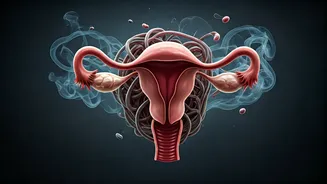








Cortisol's Double-Edged Sword
Cortisol, our body's primary stress hormone, plays a vital role in managing energy, metabolism, and immune responses, proving beneficial during acute stressful
situations. However, the modern era has shifted stress from brief episodes to a continuous barrage of demands. This relentless pressure, compounded by factors like demanding work schedules, extensive screen time, sleep deprivation, and environmental pollutants, has led to the phenomenon of the 'always stressed' generation. When cortisol levels remain chronically elevated due to this sustained stress, it begins to interfere with the delicate hormonal balance essential for female reproductive health, subtly yet profoundly impacting fertility over time.
Stress and Ovulation Disruption
Recent scientific investigations, including studies from 2025 and 2026, highlight a direct correlation between prolonged periods of stress and disruptions in the hormonal equilibrium necessary for regular ovulation. Elevated cortisol levels can interfere with the brain's signaling pathways that govern ovarian function, potentially leading to irregular menstrual cycles or even complete absence of ovulation. This inconsistency in ovulation directly diminishes the chances of natural conception, as the fertile window becomes unpredictable and less frequent. Essentially, the constant internal alert triggered by chronic stress can throw off the reproductive clockwork, making it significantly harder to conceive.
Impact on Implantation Success
Beyond affecting ovulation, cutting-edge research from 2026 has unveiled an even more intricate link between stress hormones and fertility. It appears that high cortisol levels can actively modify the uterine environment, creating conditions that are less conducive to embryo implantation and development. This means that even if fertilization occurs, the impact of stress could extend to hindering the successful journey of an embryo within the uterus. The study suggests that cortisol can influence the genetic expressions that are crucial for an embryo to successfully attach to the uterine lining and progress in its development, presenting a dual threat to reproductive success.
Chronic Stress and Ovarian Function
Further exploration into the infertility-stress connection reveals that women experiencing chronic stress often exhibit biological markers indicative of reduced ovarian functionality. This ongoing state of high alert not only affects ovulation and implantation but can also contribute to a decline in overall ovarian reserve over time. Furthermore, the pervasive nature of chronic stress is known to negatively impact other vital aspects of well-being, including sleep quality, libido, and the overall health of romantic relationships, all of which are intrinsically linked to a couple's ability to conceive and their emotional resilience throughout the fertility journey.
Holistic Well-being for Fertility
While stress is rarely the sole cause of infertility, it undeniably exacerbates existing reproductive challenges, making them significantly more difficult to manage. The emotional toll of fertility struggles, amplified by daily stressors, can lead to burnout and even abandonment of treatment. This underscores the critical interplay between mental health and fertility. Ultimately, achieving fertility is more than just a medical or hormonal equation; it's about overall well-being. Incorporating stress-reducing practices such as adequate sleep, regular exercise, mindfulness techniques, and seeking professional support can profoundly improve fertility outcomes. In our fast-paced, 'always on' world, learning to pause and de-stress may be one of the most powerful steps towards reproductive health.