





Nutritional Powerhouse Grain
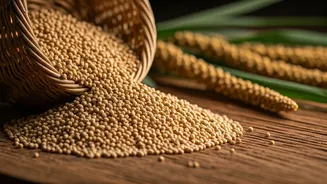
Kodo millet stands out as a nutritional champion, packed with vital elements like dietary fiber and protein. Its low glycemic index makes it a fantastic
ally for individuals mindful of their blood sugar levels, offering a steady energy release. The abundance of fiber further aids digestive processes and promotes a prolonged feeling of satiety, which can be instrumental for those aiming for weight management. Beyond its macro-nutrient contributions, kodo millet is a good source of antioxidants, compounds that play a crucial role in combating cellular damage caused by free radicals and oxidative stress within the body. This makes it a valuable addition to a balanced and health-conscious diet, supporting overall well-being from multiple angles.
Eco-Friendly Cultivation
The cultivation of kodo millet presents significant environmental advantages, primarily due to its remarkable drought resistance. This hardy grain flourishes with minimal water, far less than many staple crops, making it an ideal agricultural choice, especially in areas grappling with water scarcity. Furthermore, growing kodo millet contributes positively to soil health. Its cultivation typically demands fewer chemical fertilizers and pesticides, reducing the environmental burden associated with intensive farming. By opting for kodo millet, consumers actively support and encourage sustainable agricultural practices that are crucial for preserving our planet's natural resources and ensuring ecological balance for future generations.
Culinary Versatility Unveiled
Kodo millet offers remarkable flexibility in the kitchen, seamlessly adapting to a wide array of dishes. Its neutral, mild flavor profile makes it an excellent canvas for absorbing the essence of various spices and ingredients. You can easily swap it for rice or wheat in comforting pilafs, refreshing salads, or even delightful desserts. Its adaptability extends to savory preparations; it pairs wonderfully in rich curries and hearty stews, absorbing the complex flavors. Experimenting with kodo millet opens up a world of culinary possibilities, allowing you to effortlessly weave this nutritious grain into your weekly meal planning without sacrificing taste or enjoyment.
Simple Storage & Prep
To ensure kodo millet retains its freshness and quality, proper storage is key. It's best kept in an airtight container, placed in a cool, dry location away from direct sunlight or moisture. Before cooking, always give the grains a thorough rinse under cool running water. This step effectively removes any residual dust or impurities that might be present. For optimal results and a more tender texture, consider soaking the kodo millet for a few hours prior to cooking. This pre-treatment not only softens the grains but also reduces the overall cooking time, making meal preparation more efficient and enjoyable. Following these straightforward guidelines will help you get the most out of this beneficial grain.