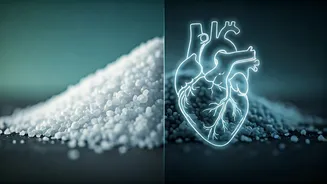








Sodium's Role
Salt, a common culinary staple, is often cited as a primary culprit for elevated blood pressure. However, the reality is more intricate. Sodium, a key
component of salt, is vital for numerous bodily functions, including the regulation of fluid balance. When we consume excessive amounts of sodium, our bodies attempt to dilute it by retaining more water. This surplus fluid increases the overall blood volume circulating through our vessels, consequently placing more pressure on the arterial walls, leading to a rise in blood pressure. It's a biological response designed to maintain equilibrium, but in modern diets often laden with processed foods, this mechanism can become dysregulated. The impact, however, isn't uniform across the population, indicating that individual physiological responses play a significant role in how salt intake affects blood pressure.
Individual Sensitivity
The notion that everyone reacts to salt consumption in the same manner is a misconception. A significant portion of the population exhibits varying degrees of 'salt sensitivity.' This means that for some individuals, even modest increases in sodium intake can trigger a noticeable spike in blood pressure. Conversely, others can tolerate higher levels of sodium without experiencing significant hypertensive effects. Several factors contribute to this disparity, including our unique genetic makeup, which dictates how efficiently our kidneys excrete excess sodium and how our blood vessels respond. Age, body weight, and the overall composition of our diet also play crucial roles in determining our individual sensitivity to salt. Recognizing your own salt sensitivity is a powerful step towards making informed dietary choices and proactively managing your blood pressure.
Potassium's Balancing Act
While sodium often takes center stage in discussions about blood pressure, the mineral potassium acts as a crucial counterbalance. Potassium is instrumental in mitigating the effects of sodium on blood pressure. It actively promotes the excretion of excess sodium from the body, primarily through urine, thereby reducing the volume of fluid that needs to be retained. Furthermore, potassium helps to relax the walls of blood vessels, which can lead to a decrease in overall blood pressure. Incorporating potassium-rich foods into your diet is therefore a strategic dietary move. Foods like ripe bananas, citrus fruits such as oranges, and a variety of leafy green vegetables are excellent sources of this essential mineral. By increasing your intake of potassium, you can effectively offset some of the potential hypertensive impacts of dietary sodium.
Holistic Dietary Approach
In the pursuit of optimal cardiovascular health, fixating solely on reducing salt intake might lead to an incomplete picture. While sodium moderation is certainly important, it’s more beneficial to adopt a comprehensive dietary strategy. A balanced diet that emphasizes a wide array of nutrient-dense foods is paramount. This includes a generous consumption of fresh fruits, a vibrant assortment of vegetables, whole grains that provide essential fiber and nutrients, and lean protein sources. Such a holistic approach ensures that your body receives a full spectrum of vitamins, minerals, and other beneficial compounds necessary for overall health and well-being. Focusing on the overall dietary pattern rather than isolating a single nutrient provides a more sustainable and effective path to maintaining a healthy heart and managing blood pressure effectively.