




The Water Woes
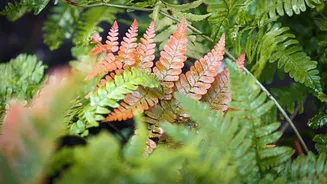
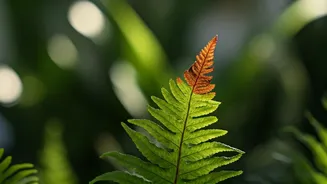
A frequent culprit behind browning fern fronds is an imbalance in watering. Ferns appreciate consistently moist soil, but they detest waterlogged conditions.
Drenching the roots too often can lead to root rot, a condition that severely impairs the plant's ability to draw up essential nutrients and moisture from the soil. To steer clear of this pitfall, ensure your fern's pot is equipped with adequate drainage holes. A good rule of thumb is to only water when the uppermost inch of soil feels dry to the touch. This thoughtful approach guarantees your fern receives hydration without succumbing to the perils of over-saturation, fostering healthier root systems and more vibrant foliage.
Thirst and Dryness
Conversely, insufficient watering is another significant factor contributing to the dreaded brown tips on fern leaves. These elegant plants are accustomed to humid environments and require a steady supply of moisture to thrive. When the soil is allowed to dry out completely between waterings, it can induce significant stress on the plant, manifesting as browning at the leaf edges. To prevent this scenario, make it a habit to regularly assess the soil's moisture level. Promptly water your fern whenever it starts to feel dry, ensuring that it never experiences prolonged periods of complete desiccation. This consistent hydration is crucial for maintaining its lush appearance and overall well-being.
Humidity Hiccups
Ferns, much like their wild counterparts found in dappled forest floors, flourish in environments with high humidity. When the air in your home becomes too dry, the delicate leaf tips of your fern can begin to dehydrate, leading to that tell-tale browning. To combat this issue, you can significantly boost the ambient humidity around your plant. Employing a humidifier is an effective strategy. Alternatively, placing a shallow tray filled with pebbles and water near the fern can create a more humid microclimate as the water evaporates. Regular misting of the leaves with water can also provide a temporary, yet beneficial, increase in moisture, helping to keep your fern's foliage looking its best.
Light Levels Matter
The amount and type of light your indoor fern receives play a critical role in its health and vitality. Most fern species are adapted to growing in shaded or filtered light conditions, often found beneath the canopy of larger trees. Exposing them to direct sunlight can be harsh, akin to a sunburn, and can cause their tender fronds to scorch, resulting in brown tips. Therefore, it's essential to position your fern in a location that offers bright, indirect light. Avoid placing it directly in the path of harsh sunbeams, opting instead for spots with diffused light or partial shade to protect its delicate foliage.
Nutrient Needs Addressed
A deficiency in essential nutrients, particularly nitrogen, can also be the underlying cause of brown tips appearing on your fern's leaves. These plants benefit from regular nourishment, especially during their active growth periods, to maintain their vibrant green colour and overall vigour. Applying a balanced liquid fertilizer every four weeks can supply the necessary sustenance. It is crucial to adhere strictly to the dosage instructions provided on the fertilizer packaging to prevent over-fertilization, which can be just as detrimental as a nutrient shortage. Proper feeding ensures your fern receives the building blocks it needs for healthy development.