




Paneer: The Dairy Powerhouse
Paneer, a staple in Indian cuisine, stands out as an excellent source of protein, typically offering 18-20g per 100-120g serving. Its primary protein component,
casein, is known for its slow digestion rate, ensuring a sustained release of amino acids into the bloodstream. This makes it particularly beneficial for muscle protein synthesis (MPS), with a leucine content of approximately 1.5–1.7g per 100g. The gradual release of amino acids contributes to prolonged satiety and supports muscle maintenance and repair throughout the day, making it a valuable addition to any diet focused on protein adequacy.
Soy Chunks: A Complete Protein
Soy chunks, also known as textured vegetable protein, are remarkably rich in protein, providing about 24-26g per 50g serving of dry product. Their clinical significance lies in their high PDCAAS (Protein Digestibility Corrected Amino Acid Score), which is close to 1.0, mirroring that of animal proteins. This indicates excellent digestibility and a complete amino acid profile. Notably, soy chunks are a great source of lysine, an essential amino acid often lacking in diets predominantly based on grains, making them a critical component for achieving balanced protein intake and supporting overall physiological functions.
Tofu: Versatile & Healthy
Tofu emerges as another potent vegetarian protein source, delivering approximately 18-20g of protein per 150-180g serving. Beyond its protein content, tofu is recognized for its lower saturated fat profile compared to paneer. Furthermore, research has highlighted the cardiometabolic advantages associated with isoflavones found in tofu, such as their positive impact on lipid profiles. This versatility makes tofu an attractive option for individuals looking to enhance their protein intake while also supporting cardiovascular health through its beneficial phytonutrients.
Greek Yogurt: Gut Health Booster
Greek yogurt, or hung curd, offers a substantial protein punch, typically ranging from 18 to 22 grams per 200-250g portion. This protein comes from a blend of fast-digesting whey and slow-digesting casein, providing both immediate and sustained amino acid availability. Beyond its protein benefits, Greek yogurt is a notable contributor to gut health. Its probiotics can positively influence the gut microbiota, which in turn is linked to improved protein metabolism and reduced systemic inflammation, further enhancing its role in overall well-being.
Mixed Pulses: Balanced Nutrition
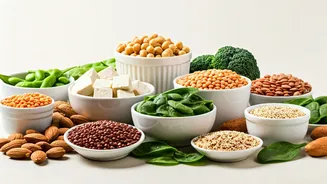
Combining various pulses and cereals creates a synergistic effect, significantly enhancing protein utilization. A mixed serving of 1.5 cups of cooked dal and legumes can yield between 18 to 22 grams of protein, depending on the specific blend. This combination effectively addresses the methionine-lysine imbalance, allowing amino acids to complement each other for better absorption and efficacy. The process of thermal preparation also aids in making these protein sources more digestible, ensuring that the body can effectively absorb and utilize the vital nutrients they provide.
Sprouted Legumes: Enhanced Absorption
Sprouted legumes, such as moong and chana, offer a protein content of roughly 15 to 18 grams per 200g serving. The sprouting process is crucial as it activates endogenous enzymes within the legumes. This activation significantly reduces levels of phytates and tannins, compounds that can hinder mineral and protein absorption. Consequently, sprouted legumes become a more bioavailable source of nutrients, making it easier for the body to absorb and utilize both their protein and mineral content efficiently.
Roasted Chana & Peanuts: Smart Snacking
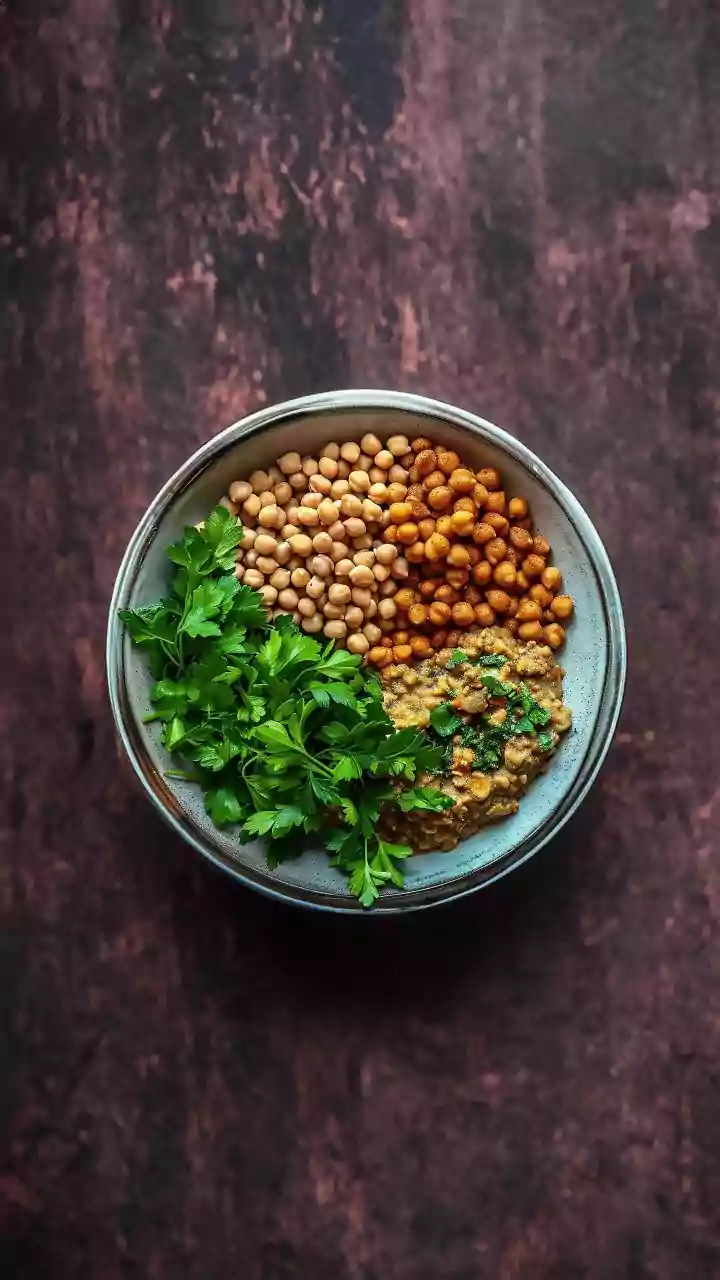
A combination of 80g of roasted chana (chickpeas) and peanuts delivers approximately 18 to 20 grams of protein, making them an excellent snack choice. Peanuts, in particular, contribute monounsaturated fats, which play a role in slowing gastric emptying. This slower digestion helps to moderate blood sugar responses after meals. This pairing not only provides a significant protein boost but also contributes healthy fats and aids in better glycemic control, positioning it as a nutritionally sound option for maintaining energy levels and supporting metabolic health.