
Winter's Impact on Hearts
The onset of winter in Delhi-NCR often coincides with a noticeable dip in temperature, which can bring about several physiological changes that impact
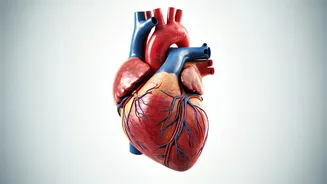
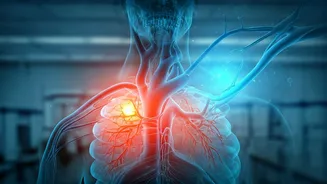
cardiovascular health. One of the primary culprits is vasoconstriction, where blood vessels constrict in response to the cold. This narrowing of the vessels increases blood pressure, forcing the heart to work harder to circulate blood throughout the body. Furthermore, the body’s increased metabolic rate, which is an attempt to stay warm, can also put extra strain on the heart. Additionally, during winter, many individuals tend to be less physically active, which can lead to weight gain and heightened blood pressure. These combined factors create a perfect storm, significantly elevating the probability of cardiac events such as heart attacks. It's crucial to understand these underlying mechanisms so that preventive measures can be adopted to stay safe during the colder months. This increased awareness is vital for everyone, particularly those already at risk for cardiovascular issues.
Cold's Physiological Effects
Winter's cold conditions bring significant physiological changes, notably impacting cardiovascular health. When exposed to cold, the body constricts blood vessels, a process known as vasoconstriction, to conserve heat. This reduces the vessel's diameter, subsequently increasing blood pressure because the heart must exert more effort to circulate the same volume of blood. This elevated blood pressure puts an added strain on the heart, raising the chances of a cardiac event. Moreover, the body increases its metabolic rate to produce heat, which also adds to the heart's workload. These physiological changes often coincide with other winter habits that affect cardiovascular health. People tend to be less active during the winter, which can lead to increased weight and potentially higher blood pressure. All these factors combined significantly increase the risk of heart attacks and other cardiovascular problems. Understanding these effects is the initial step toward devising appropriate strategies for heart health during the winter months.
Winter Lifestyle Risk
Besides physiological reactions, lifestyle adjustments during winter play a significant role in increasing heart attack risks. A prevalent issue is reduced physical activity. Harsh weather often deters people from outdoor exercise, pushing them toward a sedentary lifestyle. Less physical activity leads to weight gain and elevates blood pressure, which are major heart attack risk factors. Another factor is diet. People might consume more calorie-dense and often less healthy foods during winter. Rich and heavy foods contribute to elevated cholesterol levels, adding further strain on the cardiovascular system. Mental health also has an impact; the winter season can bring about Seasonal Affective Disorder (SAD), which leads to feelings of depression and stress. Stress hormones put additional pressure on the heart, worsening cardiovascular conditions. To counter these risks, it’s imperative to maintain regular exercise routines, adopt a balanced diet, and manage stress levels to protect heart health. Making conscious lifestyle decisions during the winter is a proactive way to reduce the risk of heart attacks.
Prevention Strategies: Essential
To effectively safeguard your heart during winter, several preventive strategies should be embraced. Regular exercise is crucial. Even if the weather is cold, attempt indoor exercises such as yoga, aerobics, or using gym equipment. Aim for at least 30 minutes of moderate-intensity exercise on most days. A heart-healthy diet is also vital. This means reducing saturated and trans fats and increasing consumption of fruits, vegetables, and whole grains. Monitoring your blood pressure regularly is essential, especially if you have a history of hypertension. Ensure you take your medication as prescribed and consult your doctor for any adjustments. Staying warm is equally important; layer clothing when venturing outside to reduce cold exposure. Avoid sudden temperature changes to prevent vasoconstriction. Finally, manage stress through relaxation techniques like meditation and deep breathing. Regular check-ups with your cardiologist and adherence to a prescribed treatment plan are essential to maintaining heart health and reducing the risks associated with winter.
Immediate Action: Recognize Symptoms
Knowing the symptoms of a heart attack and acting promptly is crucial. Common indicators include chest pain, which might radiate to the arm, jaw, or back, shortness of breath, nausea, dizziness, and cold sweats. If you or someone around you experiences these symptoms, immediately call emergency services. Do not ignore the warning signs or try to wait it out, as early intervention can significantly improve outcomes. While waiting for medical help, ensure the person is comfortable and in a resting position. Administer aspirin if they have been prescribed it by a doctor, as it can help reduce blood clotting. Timely action and professional medical care are essential in a situation like this. Promptness could potentially save a life and minimize heart damage. Recognizing the symptoms and acting swiftly are crucial components in ensuring the best possible outcome during a cardiovascular event.