






Leverage Existing Treasures
Before venturing out to buy anything, conduct a thorough audit of the items you already possess. Often, the perfect study aids are hiding in plain sight.
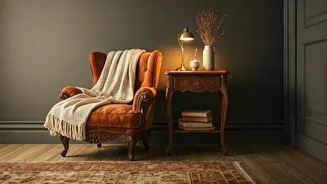
An old desk or a sturdy chair, perhaps currently used for other purposes, can be repurposed to serve as your dedicated study station. Similarly, forgotten crates or sturdy cardboard boxes can be ingeniously transformed into makeshift bookshelves, providing ample storage for your academic materials. This mindful approach not only conserves your funds significantly but also sparks a sense of creativity as you reimagine the potential of everyday objects. Embracing this 'use what you have' philosophy is the first, and perhaps most impactful, step towards an economical yet effective study space.
Crafting DIY Organizers
Embrace your inner craftsperson to fashion bespoke storage solutions that are both highly functional and incredibly kind to your budget. Simple glass jars or repurposed food containers are perfect for corralling small stationery items like pens, pencils, erasers, and paper clips, preventing them from scattering across your workspace. For larger items such as notebooks, binders, or important documents, ordinary shoe boxes can be elevated into stylish organizers. A quick cover with decorative wrapping paper, patterned fabric, or even a fresh coat of paint can completely transform their appearance, making them blend seamlessly with your room's aesthetic. These hands-on projects offer a rewarding way to achieve a neat and tidy study area without resorting to expensive store-bought alternatives.
Harnessing Natural Radiance
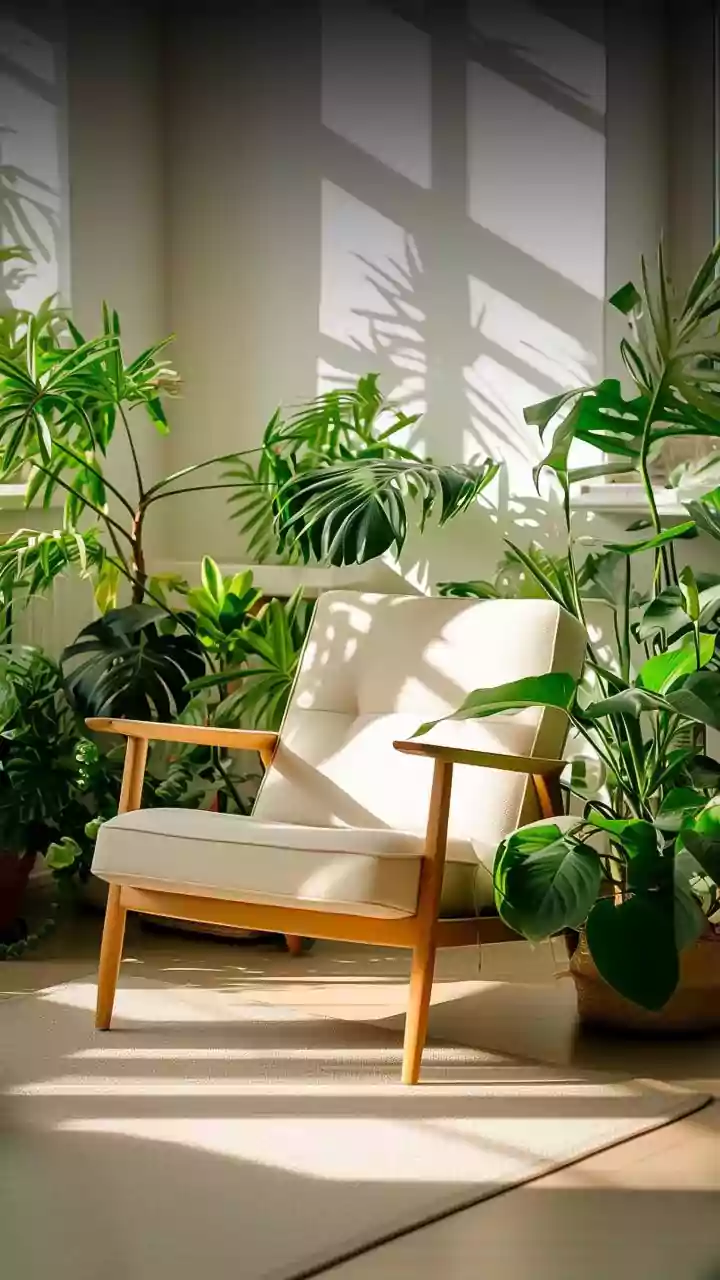
One of the most invigorating and cost-effective ways to cultivate an uplifting study atmosphere is by making the most of natural light. Position your desk adjacent to a window to bask in the abundant daylight, which not only brightens your surroundings but also promotes a more positive and energetic mood conducive to concentration. This strategic placement significantly reduces your reliance on artificial lighting during daylight hours, leading to tangible savings on your electricity bills over time. The gentle, natural illumination is far more pleasant and less straining on the eyes than harsh artificial lights, enhancing your overall study experience without any monetary investment.
Embrace Sleek Minimalism
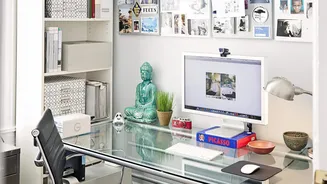
Adopting a minimalist ethos for your study space is a powerful strategy for enhancing focus and reducing mental clutter. This involves a disciplined approach to keeping only the absolute essentials within your immediate vicinity. Regularly declutter your desk and surrounding shelves, removing anything that doesn't directly contribute to your current study tasks. A clean, uncluttered environment minimizes visual distractions, allowing your mind to concentrate more effectively on the material at hand. By curating your workspace to feature only a few carefully chosen, functional items, you create an environment that is both highly productive and aesthetically pleasing, avoiding the overwhelming sensation that can come with excess possessions.
Optimize Vertical Dimensions
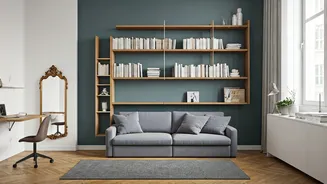
For those with limited floor space, creatively utilizing vertical dimensions is a game-changer in maximizing your study area. Wall-mounted shelving units are an excellent investment, offering substantial storage capacity for books, binders, and other study essentials without encroaching on your valuable desk or floor space. They keep items organized and accessible yet neatly tucked away. Furthermore, strategically placed hooks on walls or the back of your door can serve a dual purpose: keeping bags, headphones, or coats off the floor and within easy reach, thereby maintaining a tidy and uncluttered environment. This intelligent use of upward space ensures everything has its place, contributing to a more serene and efficient study setting.