

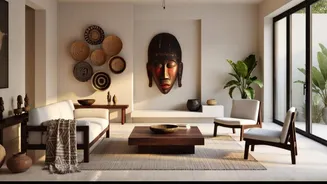
Go Vertical for Storage
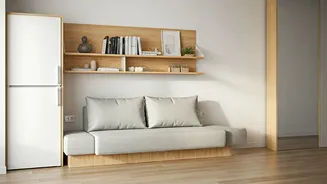
When floor space is limited, your walls become prime real estate. Think upwards! Installing shelving units that stretch from floor to ceiling provides
an impressive amount of storage for everything from your book collection and decorative items to everyday essentials. Don't forget about wall-mounted solutions; kitchen racks for pots and pans, or bathroom caddies for toiletries, can clear off precious counter space and maintain order. Similarly, opt for tall, slender furniture pieces like slim bookcases or high cabinets. These not only offer substantial storage but also guide the eye skyward, creating a visual effect that makes the room feel significantly larger and more open than its actual dimensions might suggest.
Embrace Multi-Use Furniture
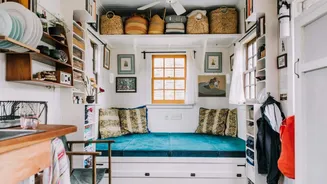
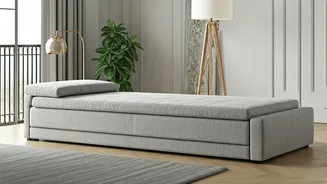
Investing in furniture that serves more than one purpose is a game-changer for small-space living. Think cleverly designed pieces that can adapt to your changing needs throughout the day. A sofa that easily transforms into a comfortable bed is perfect for hosting guests, while an extendable dining table can shrink for daily use and expand for larger gatherings. Ottomans with hidden compartments are fantastic for stowing away blankets, magazines, or even toys, keeping your living area tidy and free from clutter. By choosing these adaptable items, you can efficiently utilize your square footage, ensuring your space remains functional and versatile without being overwhelmed by single-purpose furniture.
Light Hues and Mirrors
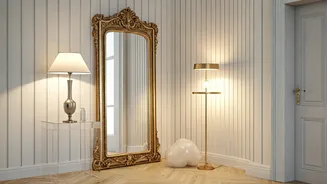
The strategic use of color and reflective surfaces can dramatically alter the perception of space. Employing light colors on your walls and for your furniture is a time-tested technique to brighten interiors and make them feel more expansive. Shades of white, soft beiges, and subtle pastels are excellent choices, as they bounce light around the room, creating an airy and open atmosphere. Mirrors are equally powerful tools for visual expansion. Placing a large mirror directly opposite a window, for instance, can effectively double the natural light entering the space and create the illusion of a much larger room by reflecting the view and the incoming daylight.
Purge and Organize
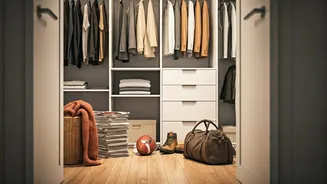
Maintaining a sense of order is paramount in a small living environment. Regular decluttering is not just about tidiness; it's about ensuring your space remains functional and easy to navigate. Set aside time every few months to go through your possessions and honestly assess what you truly need and use. Employing storage bins, decorative baskets, or drawer dividers can help keep items neatly contained and easily accessible. A more minimalist approach to ownership not only frees up physical space but also simplifies the chore of cleaning and contributes to a more serene and organized home. This discipline ensures your limited space isn't overwhelmed by unnecessary belongings.
Strategic Illumination
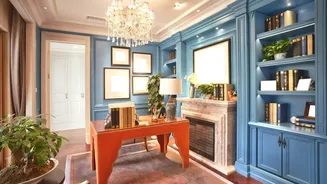
The way your space is lit significantly influences how large it appears and feels. Smart lighting choices can enhance ambiance and create a sense of spaciousness. Consider installing adjustable lighting systems, such as dimmer switches, which allow you to tailor the brightness to suit different activities or moods. Floor lamps with adjustable heads or multiple light sources can provide targeted illumination where needed. In kitchens, under-cabinet lighting can illuminate countertops without consuming precious surface area, while subtle LED strips placed behind furniture can cast a warm glow and add depth to the room without adding bulk. Thoughtful lighting design is key to making a small home feel inviting and expansive.