








Sour Fruits: Flavor Powerhouses
Indian vegetarian cuisine is celebrated for its incredible diversity and delightful taste profiles. A significant element contributing to this culinary
richness is the judicious use of sour fruits. These fruits do more than just impart a pleasant tanginess; they are also valued for their positive impact on well-being. By introducing a unique sour note, they significantly enhance the palatability and enjoyment of various dishes. From elevating the depth of flavor to supplying essential micronutrients, sour fruits offer a multifaceted contribution to the Indian culinary landscape, making them indispensable ingredients for creating balanced and vibrant vegetarian meals.
Tamarind: The Tangy Essential
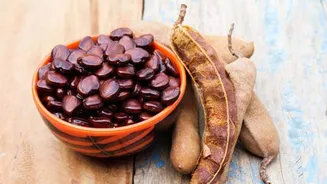
Tamarind stands as a cornerstone in Indian kitchens, universally recognized for its distinct sour flavor that makes it an ideal component for numerous curries and chutneys. Beyond its gustatory appeal, tamarind is a treasure trove of antioxidants and vitamins, offering substantial benefits for digestion and bolstering the immune system. Its remarkable versatility allows it to be incorporated into both sweet preparations, like candies or desserts, and savory dishes, adding layers of complexity to gravies and stews. This adaptability ensures tamarind's integral role in Indian vegetarian cooking, simultaneously enhancing taste experiences and promoting good health through its natural properties.
Raw Mango: A Seasonal Sensation
During the summer months, raw mangoes emerge as a highly anticipated seasonal delicacy across India. Their inherent sourness provides a wonderfully refreshing counterpoint in a wide array of preparations, from zesty pickles and light salads to beloved rice dishes such as aamras, a smooth mango pulp preparation. Nutritionally, raw mangoes are an excellent source of Vitamin C and their significant fiber content aids in promoting smooth digestion. These fruits not only imbue meals with a vibrant, lively zest but also contribute vital nutrients that support overall physical health and vitality, making them a cherished ingredient during their peak season.
Kokum: Coastal Culinary Charm
Hailing from India's picturesque coastal regions, kokum is distinguished by its intense purple hue and pronounced sour taste. It is predominantly featured in regional curries and cooling beverages, especially prized for its ability to offer a sense of refreshment during warmer weather. The fruit contains hydroxycitric acid, a compound believed to assist in weight management by potentially suppressing appetite. Furthermore, kokum is rich in antioxidants, which play a crucial role in combating the damaging effects of free radicals within the body, thus contributing to cellular health and protection.
Bilimbi: The Tart Gem
While perhaps less universally known than other sour fruits, bilimbi offers a unique tartness that significantly elevates the flavor profile of various culinary creations. It is frequently employed in the making of chutneys or serves as a potent souring agent in soups and stews, adding a delightful pucker. Beyond its flavor contributions, bilimbi is a good source of Vitamin C and essential minerals like calcium and potassium. These minerals are vital for maintaining strong bone health and regulating blood pressure levels, respectively, underscoring the dual benefits of this underappreciated fruit in both cooking and nutrition.