
Ignoring Plant Structure
One of the most frequent blunders in plant pruning involves disregarding the natural structure of the plant. Each plant species has a unique growth pattern,
and pruning should enhance this, not fight against it. When you overlook this, you might end up with an awkward, unbalanced plant prone to poor air circulation and light penetration. Before you even pick up your shears, take some time to observe the plant's current shape and envision how you want it to look. Identify the main stems and branches and consider how they contribute to the overall aesthetics and health. Pruning to maintain or enhance this natural form ensures the plant's well-being and visual appeal. For example, a plant that naturally grows upwards needs pruning that encourages that vertical growth, not one that forces it to spread horizontally. Understanding the plant's architecture is paramount for successful and healthy pruning.
Using Dull Tools
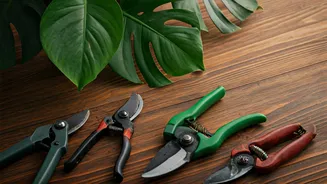
The tools you use for pruning are as crucial as the technique. Using dull tools is a significant error that can inflict unnecessary damage to your plants. Dull blades don’t make clean cuts; instead, they tear and crush plant tissues, leaving jagged edges. These rough cuts increase the plant's vulnerability to diseases and pests, as the damaged areas are easily infected. Clean cuts, on the other hand, promote quicker healing and reduce the risk of infection. Always ensure your pruning tools, such as shears or knives, are sharp and in good condition before you start pruning. Regularly sharpen your tools and clean them with rubbing alcohol between plants to prevent the spread of diseases. A well-maintained set of sharp tools is an investment in the health and longevity of your indoor plants, ensuring clean, precise cuts and promoting overall plant well-being.
Over-Pruning Your Plants
Over-pruning is a common mistake that can significantly stress and harm your indoor plants. It involves removing too much foliage at once, which disrupts the plant's ability to photosynthesize and produce energy. Photosynthesis is the process by which plants use sunlight to convert carbon dioxide and water into food. When you over-prune, you reduce the plant's capacity to create its food, leading to weakened growth and a decline in overall health. A good rule of thumb is to never remove more than a third of the plant's foliage at any one time, unless it's an emergency. Pruning should be a gradual process, removing only what's necessary to maintain shape, remove dead or diseased branches, and encourage new growth. Over-pruning can also shock a plant, making it more susceptible to pests and diseases, and potentially stunting its development. Proper pruning involves moderation, allowing plants to recover and thrive.
Not Cleaning Cuts Properly
Failing to clean cuts properly is a critical error when pruning indoor plants. After making a cut, the open wound becomes a potential entry point for pathogens, which can lead to infections. Disease-causing organisms, such as bacteria, fungi, and viruses, can easily enter through these exposed areas and spread within the plant, causing significant damage. To prevent this, it's essential to clean the cuts immediately after pruning. Use a clean, sharp blade to make the cut and then wipe the area with a disinfectant like rubbing alcohol. This will help kill any pathogens that might be present. In addition to disinfecting, you can also use a pruning sealant. This is especially helpful for larger cuts, as it helps to protect the area from disease and pests. Regular cleaning of pruning cuts is a simple yet vital step in maintaining the health and longevity of your indoor plants.
Pruning at Wrong Time
Pruning at the incorrect time of year is a common mistake that can negatively affect the health and growth of your indoor plants. Timing depends largely on the plant type and its growth cycle. Generally, the best time to prune is during the late winter or early spring, just before new growth begins. This allows the plant to quickly recover and put its energy into producing new leaves and stems. However, some plants may benefit from pruning at different times. For example, flowering plants often need pruning after they have finished blooming. Pruning at the wrong time can weaken the plant and even prevent it from flowering. For instance, pruning a spring-flowering plant in the fall will remove the buds that are forming for the next season. Always research the specific needs of your plants to ensure you're pruning at the most appropriate time, optimizing their growth and flowering potential.