




Pot and Soil Essentials
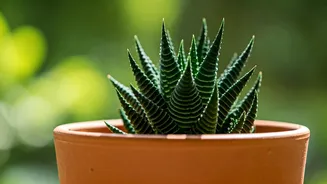
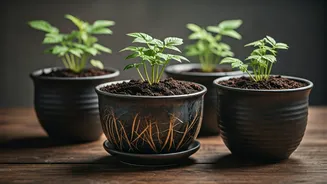
Embarking on your indoor ginseng cultivation journey begins with selecting the right vessel and substrate. For this resilient herb, opt for containers
that offer ample vertical space, ideally at least 12 inches in depth, to facilitate the development of its substantial root system. Crucially, ensure these pots are equipped with adequate drainage perforations; this prevents the dreaded waterlogged conditions that can be detrimental to ginseng's health. The ideal soil mixture is one that champions both aeration and nutrient retention. A well-balanced blend incorporating organic peat moss for moisture retention, perlite for enhanced drainage and aeration, and nutrient-rich compost will create a fertile foundation. This carefully curated soil not only supplies the essential vitamins and minerals ginseng needs to flourish but also helps maintain a consistent, yet not saturated, moisture level, setting the stage for robust growth.
Illuminating the Growing Space
Ginseng plants are delicate and require a specific light regimen to thrive indoors. Direct, harsh sunlight can scorch their leaves and hinder their development. Therefore, the key is to provide bright, indirect light. Position your potted ginseng near a window that receives ample natural light but is shielded from direct sunbeams, perhaps by a sheer curtain or an adjacent obstruction. If your home lacks sufficient natural light, consider supplementing with artificial grow lights. Aim to provide approximately 12 hours of light each day. This duration is designed to mimic the conditions found in the plant's natural shaded forest habitat, ensuring it receives enough energy for photosynthesis without experiencing the damaging effects of overexposure.
Mastering Watering Techniques
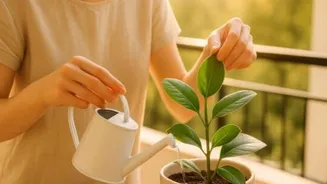
Achieving the right balance in watering is paramount for cultivating healthy ginseng. The goal is to maintain soil that is consistently moist, akin to a well-wrung sponge, rather than waterlogged. A reliable method is to check the top inch of the soil with your finger; if it feels dry to the touch, it's time to water. It is vital to avoid overwatering, as this can lead to root rot, a serious condition that can quickly kill the plant. After each watering session, allow the excess water to drain completely from the pot through its drainage holes. This ensures that the roots are adequately hydrated without being submerged, promoting a healthy environment for the plant's root structure.
Environmental Comfort Zone
Ginseng thrives within a specific temperature range that mimics its preferred natural climate. Ideally, maintain an environment where temperatures consistently hover between 60°F and 70°F (15°C to 21°C). This can be achieved by carefully managing your home's heating and cooling systems. Alongside humidity plays a critical role in ginseng's well-being. Aim for an ambient humidity level of around 50%. To achieve this, you can regularly mist the plant's foliage with water, especially during drier periods. Alternatively, employing a humidifier in the vicinity of your ginseng pots can help maintain the necessary moisture in the air, preventing the plant from becoming stressed due to overly dry conditions and fostering optimal growth.