







The Seasonal Stress Factor
While the biting cold of winter may be receding, offering a welcome respite and the anticipation of spring, your body's internal defense system is navigating
its own complex adjustments. This transitional period, often overlooked, can leave you surprisingly susceptible to illness. Fluctuations in temperature, from chilly mornings to warmer afternoons, demand constant energy expenditure from your body to maintain a stable internal temperature. This continuous thermal regulation diverts vital resources that would otherwise be readily available for combating circulating viruses and bacteria. Consequently, your immune system, occupied with adapting to these environmental shifts, experiences a subtle but significant stress, rendering it less equipped to fight off common infections.
Nutrient Gaps Emerge
The dietary habits adopted during winter, often centered around warm, comforting foods, can inadvertently lead to a depletion of essential micronutrients by the time the season draws to a close. Many individuals may consume fewer fresh fruits and raw vegetables, coupled with potentially reduced fluid intake, during the colder months. As a result, the body might find itself running on low reserves of crucial immune-supporting elements such as Vitamin C, Vitamin D, zinc, and various antioxidants. These vital compounds are indispensable for the generation and repair of immune cells. Their diminished levels at a time when increased outdoor exposure presents greater risks can significantly compromise overall immune resilience.
Sunlight's Shifting Role
The shorter days and reduced sunlight exposure characteristic of winter, particularly for those spending substantial time indoors, can lead to critically low Vitamin D levels by the season's conclusion. Vitamin D plays a pivotal role in modulating immune responses and maintaining energy levels. Insufficient levels have been demonstrably linked to a higher frequency of infections and a prolonged recovery period from illnesses. This deficiency is a significant contributing factor to why ailments contracted in late winter often seem unusually stubborn and take longer than expected to fully resolve.
Disrupted Sleep Cycles
The gradual increase in daylight hours as winter gives way to spring can subtly alter natural sleep patterns. Many people find themselves waking earlier, even if their bedtime remains late, leading to a disruption of established sleep cycles. Even minor sleep deprivation has a profound impact on the immune system's efficacy. During deep sleep stages, the body actively produces crucial infection-fighting proteins. Inconsistent or insufficient rest directly hinders this vital process, diminishing the effectiveness of your natural defenses. Therefore, the fatigue experienced in late winter is not merely a sign of laziness but a biological consequence of altered sleep patterns.
Stubborn Infections Explained
The persistent nature of illnesses during late winter can be attributed to a confluence of factors that weaken the body's ability to mount a swift recovery. The immune system, already under strain from seasonal transitions and potential nutrient deficiencies, is less capable of a rapid response. Furthermore, the fluctuating weather patterns continue to challenge the body, impeding the healing process. This is often compounded by the onset of seasonal allergies, whose symptoms like sneezing, congestion, and sore throats can be easily mistaken for lingering viral infections. This misidentification can lead to symptoms being overlooked, allowing infections to become more entrenched and difficult to eradicate.
Fortifying Your Defenses
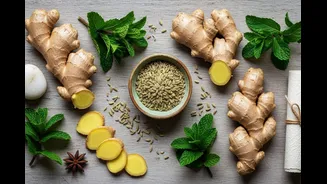
You don't need drastic interventions to bolster your immune system; mindful adjustments are key. Prioritize incorporating seasonal nutrition into your daily meals. Embrace citrus fruits, amla, guava, dark leafy greens, and potent spices like turmeric, ginger, and garlic, all of which naturally enhance immune function. Maintain consistent hydration throughout the day, ensuring your body has adequate fluids to flush out toxins and keep your protective mucous membranes healthy and functioning optimally. Continue to dress in layers, as sudden exposure to cold air during transitional mornings and evenings can still trigger illness. Aim to establish consistent sleep and wake times, aligning with the increasing daylight, and gradually reintroduce physical activity. Gentle exercise boosts immunity, but be cautious not to overexert yourself during this sensitive period.
Vulnerable Groups Noted
Certain demographics are inherently more susceptible to the immune challenges posed by late winter. Children, the elderly, and individuals managing pre-existing health conditions require particularly diligent immune support during this transitional phase. For these groups, prioritizing immune health is not merely beneficial but essential for preventing complications. It is also crucial to seek timely medical advice if symptoms persist for more than a few days or if they begin to worsen, as early intervention can significantly impact recovery and prevent the development of more serious health issues.